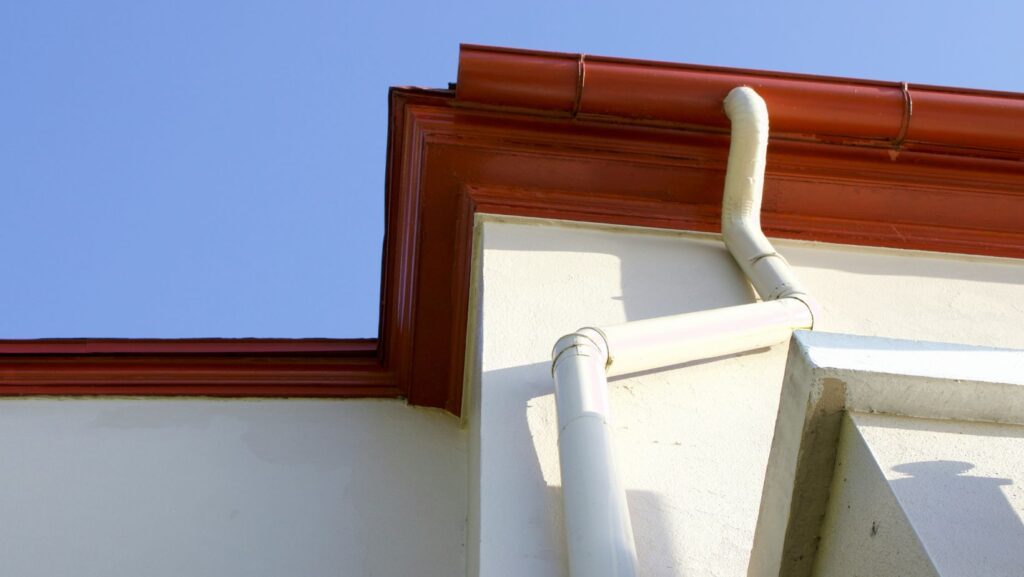
When designing a functional roof, you must incorporate an equally functional gutter system that will effectively protect your roof and home from water damage. Gutters collect rainwater and channel it to the ground away from your home’s foundation to protect it from damage. However, since gutter installation isn’t among the most complicated construction projects, homeowners sometimes choose to do it themselves or hire a less experienced contractor.
Homeowners who invest in proper gutter installation often experience problems shortly after installation. Below, we’ll look at the four most common gutter installation mistakes and how to avoid them.
Choosing the Wrong Size
One of the most common mistakes homeowners make during roofing is assuming that any gutter size they find will work perfectly for their roof. Gutter size is the thickness of a gutter, and it is crucial in determining whether the gutter can handle the rainfall your roof collects.
When you select gutters that are too small for your roof, they won’t be able to handle the amount of rainwater they collect, leading to weight problems. Before choosing gutters for your roof, you should consider the following:
- The average amount of rainfall your area receives
- Your roof’s pitch
- The size of your roof
Larger gutters are ideal for areas that receive heavy rainfall, and for roofs larger than the standard size. Talk with a local expert for the best gutters for your roof and area. For instance, when looking for gutters Augusta GA, find out the best roofers in the area who offer top-quality gutter installation for the perfect outcome.
Wrong Gutter Placement
Gutter placement is crucial in determining how well your gutter system works. If your gutters or downspouts are incorrectly installed, your roof or home may suffer issues such as overflow or standing water during heavy rainfall. Sometimes, the problem might not be a wrong installation but an insufficient number of gutters installed. This may cause the few available ones to strain, leading to a breakdown.
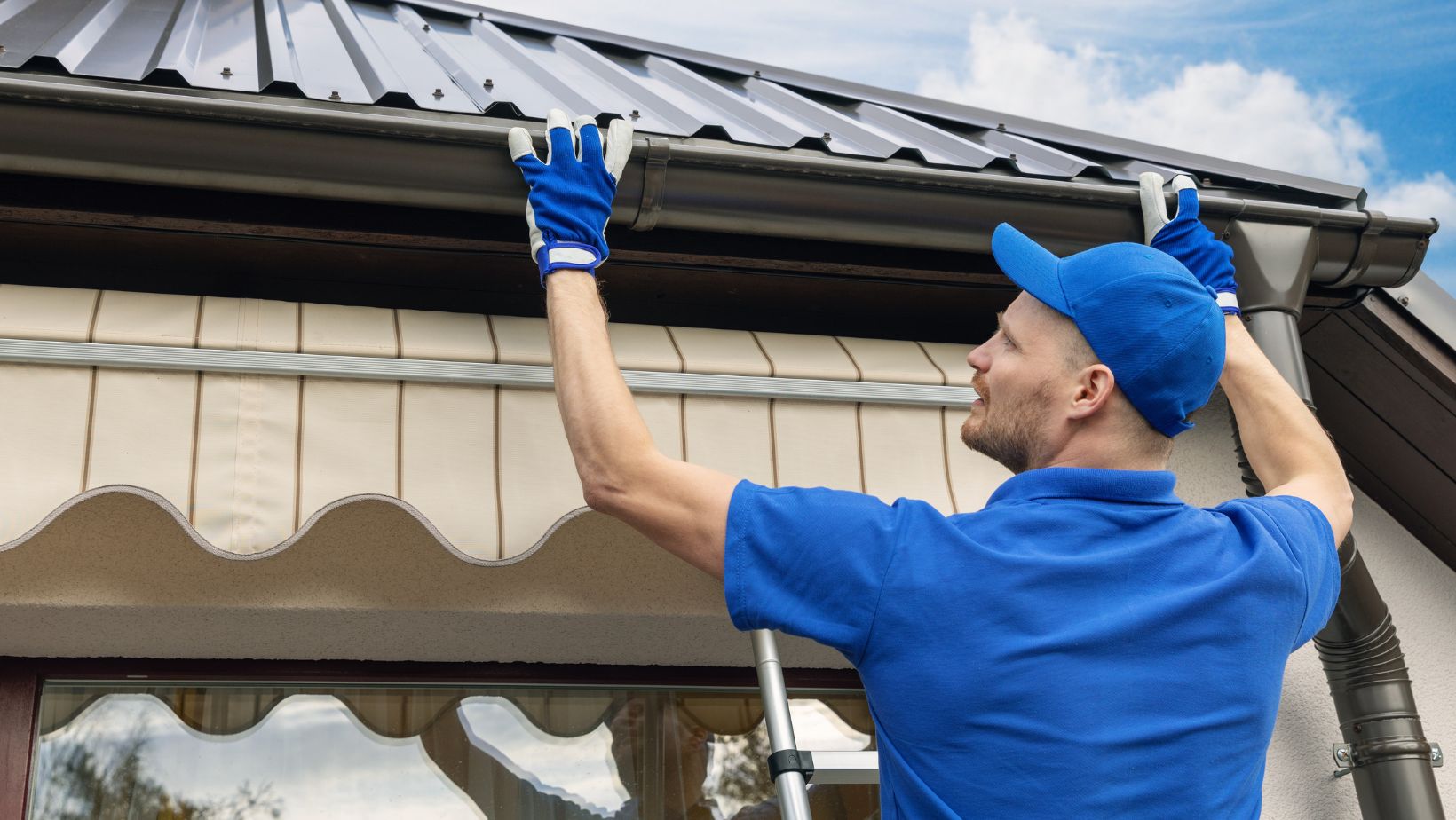
It’s important to install the right number of downspouts in the right places to ensure optimal water flow from your roof. A good rule of thumb is to have at least one downspout for every 20 to 30 feet of gutter to improve drainage and reduce stress on your system.
Improper Angle or Pitch
If you look quickly, gutters may appear to be level on a house. However, gutters are actually slightly pitched if you check carefully. The angle at which your roof gutters are hung will determine how well water will drain away from your roof. You’re likely to have problems if the pitch is too steep or insufficiently steep.
Water will sit in the gutters and won’t flow out if the pitch is insufficiently steep, and if it’s too steep, it will travel too quickly through the gutters, resulting in overflow. Both of these scenarios will cause damage and other issues around your home’s exterior.
The best way to address a pitch or angle elevation challenge is to ensure that your gutters slope down the downspout by 1/4 inch every 10 feet. Your contractor should be able to do these calculations efficiently to ensure your gutters are elevated just at the right angle.
Using Too Many Seams
During installation, seams are used for connecting two or more pieces of a gutter system. However, each seam always turns out as a weak point for gutter failure due to clogs or leaks. When you use a lot of them in a small area, you risk weakening your gutter system by making it more vulnerable to clogs and leaks. Only use seams when and where necessary to make your gutter system as seamless as possible to avoid potential breakdowns.
While gutter installation might look like a simple task to complete, it often requires effective planning and implementation. By avoiding the above mistakes, you can significantly improve your gutters’ performance once they’re installed and operational.