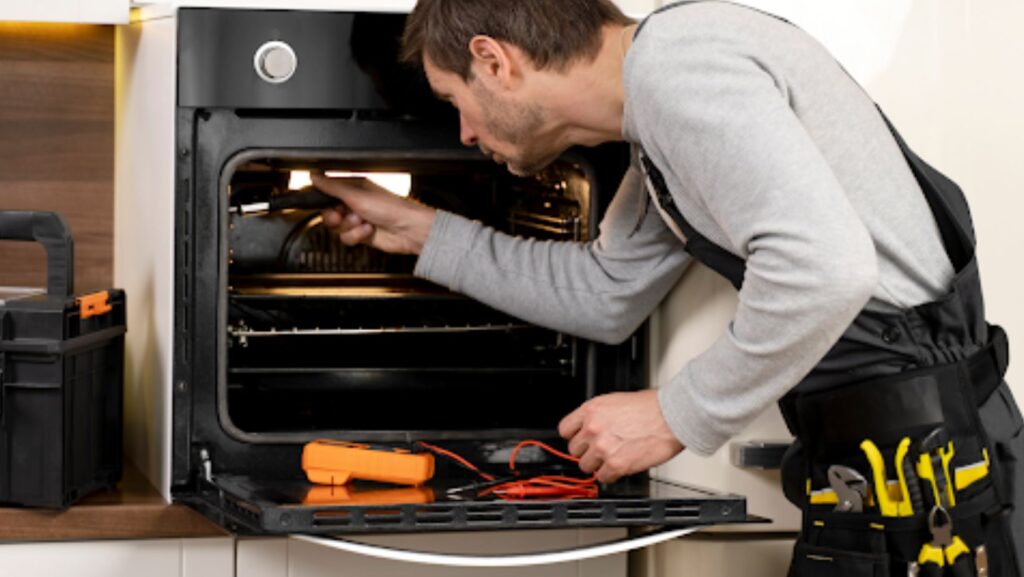
Kitchen appliances have an incredibly high duty cycle. They are the most likely household items to fail simply because of how much we demand of them, day in and day out. Constant thermal shifts, moisture, and physical wear. And yet, good kitchen appliance maintenance does not require an engineering degree. It comes down to simple, everyday habits that prevent expensive breakdowns, making sure these machines are not fighting against bottlenecks that we accidentally create. Every Chicago homeowner should know these things before calling a kitchen appliance repair service.
Refrigerator Maintenance Tips
Everyone knows to clean out the fridge regularly and to avoid storing hot food or drink, as it causes a (harmful) drastic temperature change. The other thing you should also clean whenever you can is the condenser coils found at the back or under the fridge. Dust accumulates on these coils and because of that, the compressor works harder. You should vacuum them once or twice a year to prevent that.
When you work on fridges, don’t forget to check the door seals. Sometimes the seals can crack or come free, letting cold air out. It takes more energy for the fridge to try to make up for the lost air because it has to keep the temperature cold. You can check to see if the seal is broken by moving your finger along it. The good news is that it doesn’t cost much to replace.
Oven and Stove Care
With gas stoves, aerosolised grease clogs the tiny burner holes and alters the air-to-gas mixture. You can see it happen. The flame shifts from sharp blue to uneven yellow, which means incomplete combustion. The fix is a toothpick. Pop off the burner caps and clear the carbonised grease from the holes. No harsh chemicals required.
Inside the oven, deal with spills immediately. If you don’t, the spill bakes and forms a hard mass that absorbs heat when using the oven, which makes the oven think it’s cooler than it is. This affects the energy consumed when using the oven. You can use the self-cleaning function a few times a year for maintenance, but don’t substitute this for wiping the oven down when needed.
Microwave Care Tips
Splattered food in your microwave makes the appliance less efficient. It absorbs energy during operation, which puts stress on the magnetron over time. So it’s important to wipe the interior whenever you can and clean the plate at least once a week.
Run the device for 30 seconds after sometimes adding a handful of ice cubes and coarse rock salt. Those terrible sulphur odors are caused by the salt inhibiting biological growth and the ice scrubbing the shredder ring. An ideal cleaning technique that doesn’t require disassembling anything.
Dishwasher Maintenance
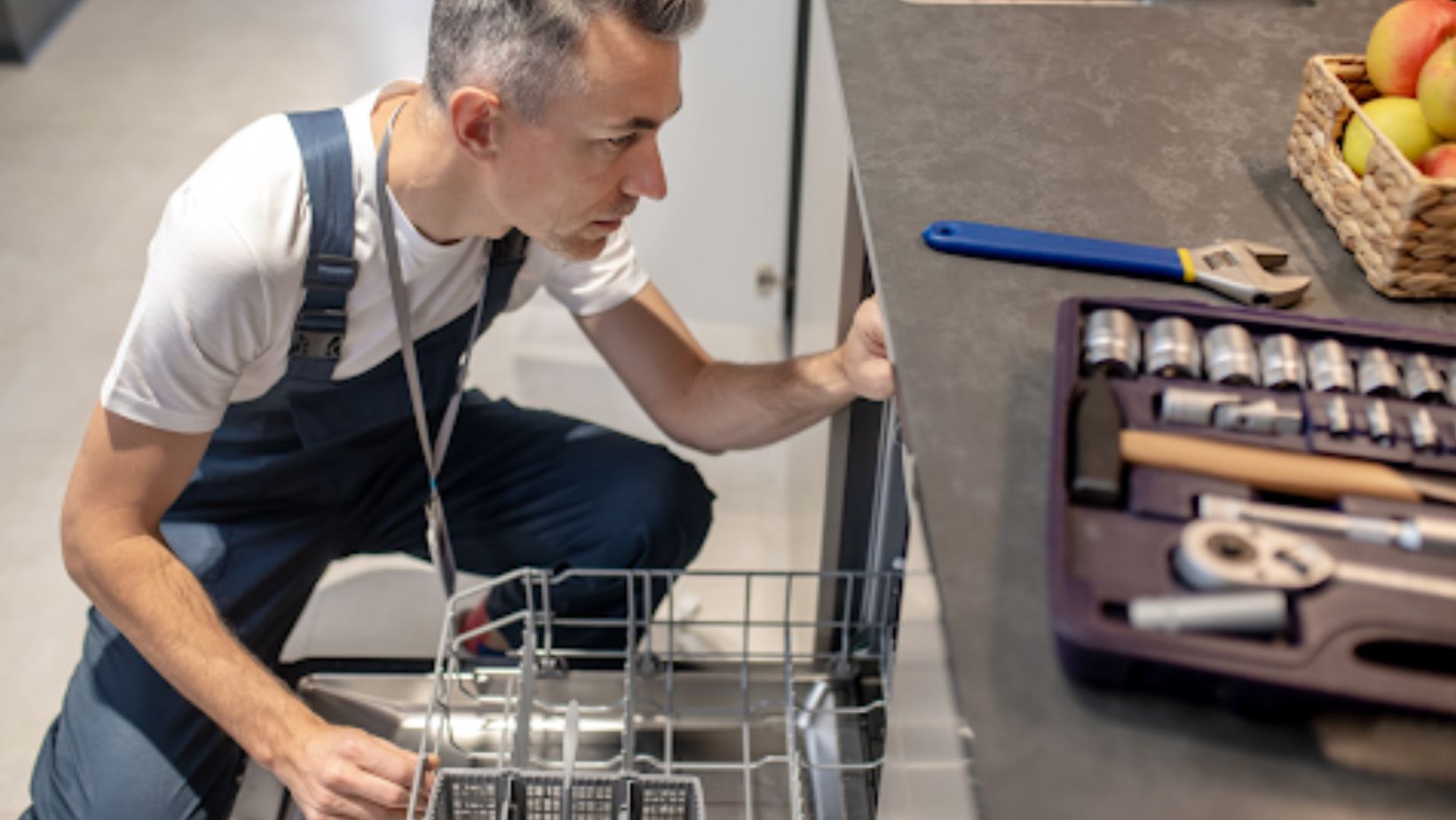
Many problems with your dishwasher come from a clogged filter. A lot of dishwashers have filters at the bottom of the tub. Make a habit of removing the filter, rinsing it under warm water, then putting it back–preferably once a month. You’ll avoid common complaints. Additionally:
- Clear the spray arm holes with a toothpick
- Run an empty hot cycle with a cup of white vinegar to dissolve mineral deposits
- Check the door gasket for wear; a compromised seal is how you ruin a subfloor
Garbage Disposal Maintenance
This one is easy, as long as you flush cold water before and after use. It is safe to chop and flush fats because cold water keeps them solid. Additionally, avoid pouring fibrous materials down the sink, such as hard bones, coffee grounds, oil, and celery stalks. Jams and blade damage may result from doing this.
Run the machine for 30 seconds after adding a handful of coarse rock salt and ice crystals every so often. The unpleasant sulfurous scents are caused by the salt inhibiting biological growth and the ice scouring the shredder ring. This cleaning method is perfect because it doesn’t need to disassemble anything.
Preventive Habits for All Appliances
Appliances have different care tips, but always ensure the following
- Read the handbook for each piece of equipment and follow the suggested maintenance plan.
- When there are anomalies, such as prolonged cycles, odd noises, or increasing energy expenses, pay close attention.
- Make sure there is adequate space around your appliances, especially the refrigerator and dishwasher, for unimpeded air circulation.
- If you are unfamiliar with appliance maintenance standards, conduct a study on them.
When to Call a Professional
You can prevent a lot of basic problems with regular maintenance, but also acknowledge when it’s time to call a trained technician, for instance, when:
- The fridge stops cooling
- Your oven takes much longer to reach the temperature
- Your dishwasher leaks onto the floor
- Your garbage disposal hums but won’t spin
Such problems show internal failure and attempting to fix electrical or mechanical faults without proper training can make the problem worse, voiding your warranty. The U.S. Department of Energy confirms that clean, well-maintained appliances use less energy and last longer.
In Conclusion
You can avoid repairs by conducting regular kitchen appliance maintenance. Observe a maintenance plan. You will observe that the appliances are less likely to break down. Observe their performance as well in order to spot problems before they get out of hand.
When the issue seems more complicated than you can manage, call in experts. Astera’s team in the Chicago area has a quick response time. Their technicians work on all kitchen appliances found in residential homes.
Which kitchen appliance gives you trouble? Share your experience in the comments.