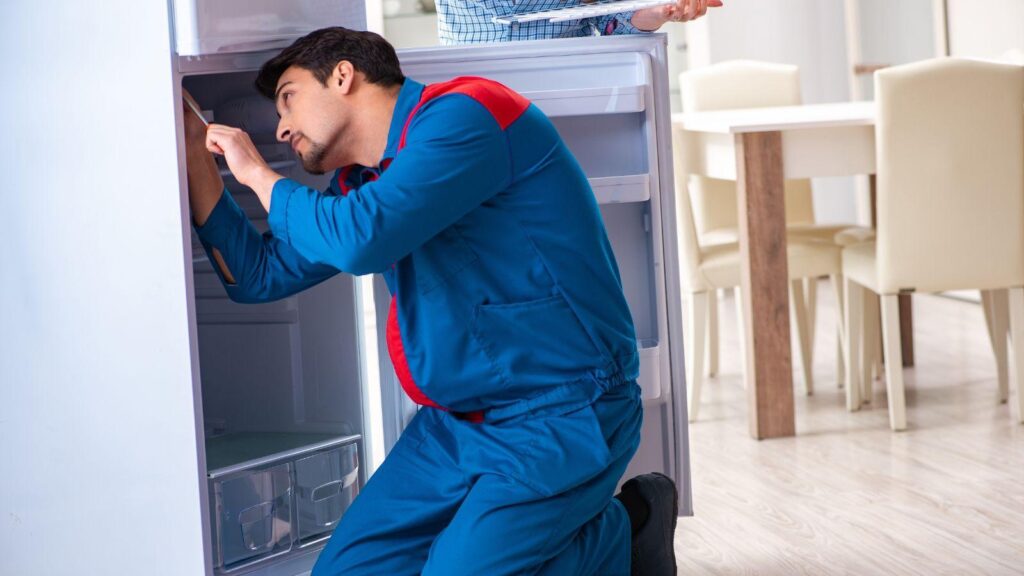
A refrigerator is one of the hardest-working appliances in any home, operating continuously to maintain safe food storage and stable internal temperatures. Because refrigerators run 24/7, components such as compressors, evaporator fans, thermostats, control boards, and cooling systems naturally experience wear over time, especially without regular maintenance.
Many refrigerator malfunctions begin with small warning signs like inconsistent cooling, unusual noises, excess moisture, or fluctuating temperatures that homeowners often overlook initially. Identifying these early symptoms and understanding their causes can help prevent larger mechanical failures, expensive repairs, and unexpected food spoilage later.
For homeowners in Buford, staying proactive with refrigerator maintenance is especially important during warmer months when appliances work harder to maintain cooling performance. When cooling issues, leaks, or compressor-related problems begin affecting daily use, many residents rely on trusted local services offering refrigerator repair Buford to diagnose issues early and prevent more expensive appliance damage later.
Key Takeaways
- Refrigerator issues often start with small performance changes
- Early detection helps prevent major breakdowns
- Common problems include cooling issues, leaks, and unusual noises
- Regular maintenance improves performance and longevity
- Timely action reduces repair costs and inconvenience
Cooling Problems & Temperature Issues
Cooling-related problems are among the most common refrigerator malfunctions and can directly affect food safety and storage quality. Since refrigerators are designed to maintain a consistent internal temperature, even slight variations can impact freshness and increase the risk of spoilage.
Inconsistent Cooling
If certain sections of the refrigerator feel warmer than others, it may indicate blocked air vents, malfunctioning fans, or thermostat issues. Poor airflow can prevent cold air from circulating evenly, causing some areas to cool properly while others remain too warm.
Other factors such as overloading shelves, improper placement of items, or frequently opening the door can also disrupt temperature balance. Uneven cooling can lead to food spoiling faster in certain areas, making it important to identify and correct the issue early.
Cause: Inconsistent cooling is commonly caused by blocked air vents, dirty condenser coils, malfunctioning evaporator fans, or thermostat calibration problems that interfere with proper airflow inside the refrigerator. Overloaded shelves, poor food placement, and frequent door opening can also create uneven temperature distribution, causing some sections to remain warmer than others.
Solution: Start by checking whether air vents inside the refrigerator are blocked by large food containers or overcrowded shelves, as restricted airflow can affect temperature distribution. Cleaning condenser coils and adjusting thermostat settings may also improve cooling consistency, but if the issue continues, the evaporator fan motor or temperature control system may require professional inspection.
Not Cooling at All
A complete loss of cooling is a serious issue that requires immediate attention. This problem may be caused by compressor failure, refrigerant leaks, faulty start relays, or electrical faults. In some cases, power supply issues or damaged wiring can also prevent the refrigerator from functioning.
When a refrigerator stops cooling entirely, food can spoil within hours, leading to both inconvenience and financial loss. If this happens, it’s important to check basic factors like power supply and settings, but professional inspection is often necessary to diagnose and resolve the root cause.
Cause: A refrigerator that stops cooling completely may be experiencing compressor failure, refrigerant leaks, damaged start relays, electrical faults, or power supply issues that prevent the cooling system from operating properly. Faulty wiring, overheating components, or malfunctioning control boards can also interrupt cooling performance and lead to rapid food spoilage if not addressed quickly.
Solution: First, verify that the refrigerator is receiving power properly and that temperature settings have not been changed accidentally. If the appliance still fails to cool, immediate professional refrigerator repair Buford is recommended to inspect components such as the compressor, start relay, refrigerant system, or electrical connections before further damage occurs.
Water Leakage & Moisture Buildup
Water-related issues can damage both the appliance and surrounding areas if not addressed in time. Even small leaks or excess moisture can lead to bigger problems such as mold growth, unpleasant odors, and reduced efficiency.
Leaks Around the Refrigerator
Leaks are often caused by clogged or frozen defrost drain lines, which prevent water from draining properly during the defrost cycle. As a result, water can accumulate inside the unit and eventually leak onto the floor.
Other possible causes include damaged water supply lines (in models with ice makers), loose connections, or cracked drain pans. If not resolved, these leaks can damage flooring, cabinets, and nearby appliances, making early detection important.
Cause: Leaks around the refrigerator are commonly caused by clogged or frozen defrost drain lines that prevent water from draining properly during the defrost cycle. Damaged water supply hoses, loose inlet connections, cracked drain pans, or blocked drainage systems can also allow water to accumulate and leak onto surrounding floors and cabinets.
Solution: Check whether the defrost drain line is blocked or frozen, as clearing the drain often resolves minor leaking issues. Inspect water supply connections, drain pans, and hoses for visible damage or looseness, and seek professional repair if leaks continue or water accumulation becomes severe.
Excess Moisture Inside
Too much condensation inside the refrigerator may result from door seal issues, frequent opening, or improper temperature settings. When warm air enters the refrigerator, it can create excess moisture that collects on shelves and walls.
Overcrowding the refrigerator can also restrict airflow, leading to uneven cooling and condensation buildup. In some cases, faulty door gaskets may allow outside air to enter continuously, worsening the problem.
Cause: Excess moisture inside the refrigerator usually occurs when warm outside air enters the compartment due to damaged door gaskets, frequent door openings, or improper temperature settings. Overcrowded shelves, blocked airflow vents, and poor internal air circulation can also increase condensation buildup and create uneven cooling conditions inside the appliance.
Solution: Ensure the refrigerator door closes tightly and inspect door gaskets for gaps, cracks, or wear that may allow warm air inside. Reducing frequent door openings, organizing items to maintain airflow, and adjusting temperature settings can help control excess condensation and improve cooling efficiency.
Unusual Noises & Vibrations
Refrigerators typically produce low-level operational sounds, such as a gentle hum or occasional clicks during normal cycles. However, loud or unusual noises can indicate that something is not functioning correctly and should be checked promptly.
Loud or Strange Sounds
Buzzing, clicking, rattling, or knocking noises may be linked to faulty compressors, malfunctioning fans, or loose internal components. For example, a buzzing sound could indicate compressor strain, while rattling might point to loose parts or items placed improperly inside the unit.
In some cases, repeated clicking noises may signal issues with the start relay or electrical components. Ignoring these sounds can lead to further damage, so it’s important to identify the cause early.
Cause: Loud or unusual refrigerator noises are often caused by failing compressors, worn evaporator fan motors, loose internal components, or faulty start relays struggling during operation. Overloaded shelves, loose containers, damaged condenser fans, or electrical component issues can also create buzzing, clicking, rattling, or knocking sounds that gradually worsen over time.
Solution: Start by checking whether the refrigerator is overloaded or if loose containers and shelves are causing internal rattling noises during operation. If buzzing, clicking, or knocking sounds continue consistently, components such as the compressor, evaporator fan motor, or start relay should be professionally inspected to prevent further mechanical or electrical damage.
Excessive Vibrations
Improper leveling of the refrigerator or worn-out components can cause noticeable vibrations. If the appliance is not placed evenly on the floor, it may shake during operation, leading to noise and reduced stability.
Vibrations can also result from internal wear, such as failing motors or fans. Over time, this can affect performance and potentially damage other components. Ensuring the refrigerator is properly levelled and regularly inspected can help minimize these issues.
Cause: Excessive refrigerator vibrations are commonly caused by improper leveling, unstable flooring, worn compressor mounts, or failing internal fan motors that create uneven movement during operation. Loose components, damaged support brackets, or mechanical wear inside the cooling system can also increase vibration levels and affect appliance stability and performance over time.
Solution: Make sure the refrigerator is positioned evenly by adjusting the leveling legs and ensuring the floor surface is stable and balanced. If excessive vibrations continue after leveling, worn fan motors, damaged compressor mounts, or internal mechanical wear may require professional servicing and component replacement.
Ice Maker & Freezer Issues
Freezer and ice maker problems are also common in modern refrigerators, especially in units with advanced features. These issues can affect both convenience and overall cooling performance if not addressed promptly.
Ice Maker Not Working
Issues with water supply, clogged lines, or faulty valves can prevent ice production. In some cases, a blocked water filter, frozen inlet line, or malfunctioning sensor may also interrupt the process.
If the ice maker stops producing ice or produces smaller or misshaped cubes, it may indicate inconsistent water flow or temperature fluctuations. Regular inspection of water connections and filters can help prevent these issues and ensure consistent ice production.
Cause: Ice maker problems are commonly caused by restricted water supply, clogged filters, frozen inlet lines, faulty inlet valves, or malfunctioning ice maker sensors that interrupt proper ice production. Inconsistent freezer temperatures, low water pressure, or damaged ice maker motors can also result in smaller, misshaped, or incomplete ice cubes.
Solution: Check whether the water supply valve is fully open and inspect the water filter and inlet line for clogs, freezing, or restricted flow. If the ice maker still fails to produce ice consistently, components such as the inlet valve, sensor assembly, or ice maker motor may require professional diagnosis and replacement.
Frost Buildup in Freezer
Excess frost may indicate defrost system problems, blocked vents, or door seal issues. When frost accumulates, it can restrict airflow and reduce the efficiency of the freezer, making it harder to maintain proper temperatures.
Frequent door opening, improper sealing, or placing warm items inside can also contribute to frost buildup. Over time, excessive frost can strain the system and lead to cooling issues in both the freezer and refrigerator compartments.
Cause: Frost buildup inside the freezer is often caused by defrost system failures, blocked airflow vents, damaged door gaskets, or frequent exposure to warm outside air. Improper sealing, placing hot food inside the freezer, or repeatedly opening the door can increase internal moisture levels and lead to excessive frost accumulation that affects cooling performance.
Solution: Inspect the freezer door gasket for gaps or damage that may allow warm air to enter and create excess frost buildup. Defrosting accumulated ice, improving airflow around vents, and avoiding frequent door openings can help restore proper freezer performance and reduce strain on the cooling system.
Electrical & Control Panel Problems
Modern refrigerators rely heavily on electronic systems to manage temperature, cooling cycles, and overall operation. When these systems malfunction, it can affect multiple functions at once and lead to inconsistent performance.
Display or Control Malfunctions
Unresponsive panels, flickering displays, or incorrect settings may result from electrical faults, sensor issues, or problems with the control board. In some cases, power fluctuations or moisture exposure can interfere with the panel’s responsiveness.
When controls don’t function properly, it becomes difficult to adjust temperature settings or monitor performance, which can lead to further complications if not addressed promptly.
Cause: Display and control malfunctions are commonly caused by damaged control boards, faulty temperature sensors, loose wiring connections, or electrical fluctuations that interfere with normal panel operation. Moisture exposure, internal short circuits, or failing touch panels can also lead to flickering displays, unresponsive controls, or incorrect temperature settings.
Solution: Try resetting the refrigerator by disconnecting power for a few minutes, then check whether the display panel responds normally after restarting. If controls remain unresponsive or settings continue changing unexpectedly, the main control board, touch panel, or internal sensors may require professional electrical diagnosis.
Frequent Power Issues
If the refrigerator frequently shuts off, restarts unexpectedly, or trips the circuit breaker, it may indicate wiring faults, compressor issues, or internal electrical failures. Power surges or unstable voltage can also damage sensitive components over time.
These issues should be taken seriously, as they can affect both safety and appliance performance. Inspecting power connections and seeking professional help when needed can prevent further damage and ensure reliable operation.
Cause: Frequent refrigerator power issues are often linked to faulty wiring, damaged power cords, overloaded circuits, failing compressors, or internal electrical component failures that interrupt normal operation. Voltage fluctuations, power surges, defective start relays, or overheating control boards can also cause unexpected shutdowns, restarts, or repeated circuit breaker trips.
Solution: Inspect the refrigerator’s power cord, outlet connection, and circuit breaker for signs of loose wiring or unstable electrical supply. If the appliance continues shutting off, restarting unexpectedly, or tripping breakers, immediate professional inspection is recommended to diagnose compressor-related faults or internal electrical failures safely.
Some Preventive Maintenance Tips To Know
Simple habits can help keep your refrigerator running efficiently and reduce the chances of unexpected breakdowns. Regular upkeep not only improves performance but also helps extend the appliance’s lifespan.
- Clean coils and vents regularly: Dust and debris can accumulate on condenser coils and vents, reducing cooling efficiency and causing the system to work harder
- Check door seals for proper closure: Damaged or loose seals allow warm air to enter, affecting temperature stability and increasing energy consumption
- Avoid overloading shelves: Overfilling the refrigerator can block airflow, leading to uneven cooling and added strain on internal components
- Maintain proper temperature settings: Keeping the refrigerator and freezer at recommended temperatures ensures optimal performance and food safety
- Inspect for early warning signs: Pay attention to unusual noises, leaks, or performance changes, as these can indicate developing issues
In addition to these steps, periodic deep cleaning and ensuring proper ventilation around the appliance can further enhance efficiency. Staying consistent with maintenance helps prevent costly repairs and keeps your refrigerator functioning reliably over time.
Finally
Refrigerator malfunctions are common, but most issues can be managed effectively with early detection and proper care. By understanding how these problems occur and responding quickly, you can avoid major disruptions and expensive repairs.
A proactive approach ensures your refrigerator continues to operate efficiently, keeping your home running smoothly every day.
FAQs
What is the most common refrigerator problem?
Cooling issues are the most common, often caused by blocked vents, faulty components, or thermostat problems. Even small disruptions in airflow or temperature control can affect overall performance and lead to food spoilage if not addressed promptly.
Why is my refrigerator making unusual noises?
Unusual sounds may indicate issues with the compressor, fan, or internal components that require attention. While some operational noise is normal, loud or irregular sounds often signal that parts are worn out, loose, or not functioning efficiently.
Can small refrigerator issues become serious?
Yes, minor problems can develop into major malfunctions if not addressed early. What starts as a slight performance drop or unusual behavior can escalate into more complex and costly repairs over time.
How can I prevent refrigerator breakdowns?
Regular cleaning, proper usage, and early detection of issues help maintain performance and prevent failures. Staying consistent with maintenance and addressing warning signs quickly can significantly extend the lifespan of your refrigerator.