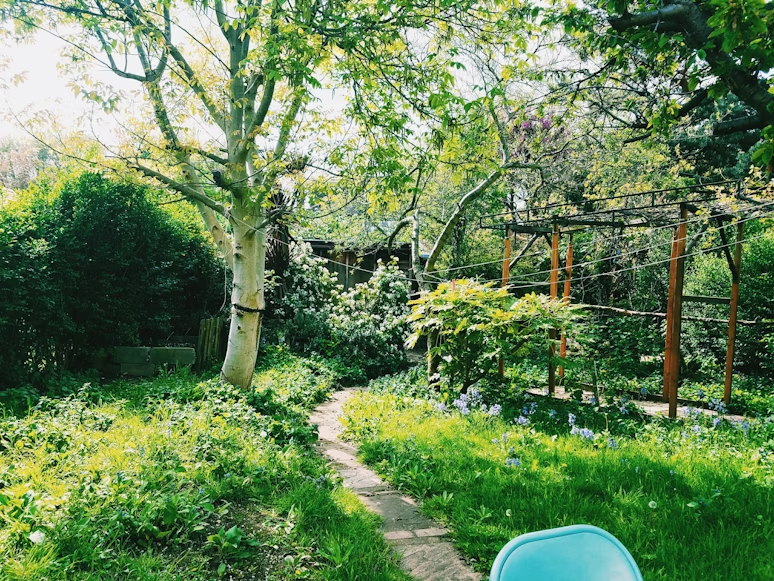
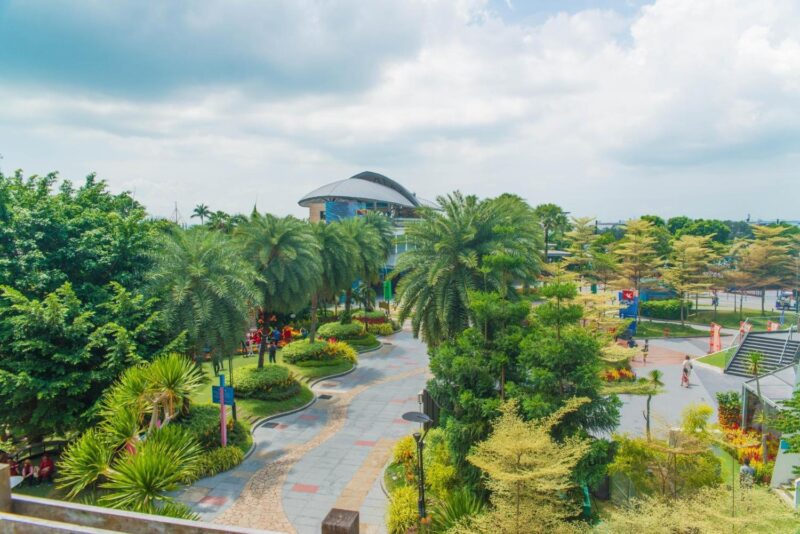
Landscaping does more than shape the appearance of a managed property. The plants chosen for beds, borders, courtyards, entrances, and recreational spaces can influence where insects feed, shelter, and build nests. Wasps are particularly responsive to flowering plants, sugary fruit, water sources, and sheltered vegetation. While most wasps are beneficial predators that help control other insects, increased activity can become a concern when nests develop close to people.
For property managers, the challenge is to create attractive outdoor spaces without unintentionally concentrating insect activity around high-traffic areas. Thoughtful plant selection, regular maintenance, and routine inspections can reduce potential conflicts while preserving a healthy landscape. Understanding how vegetation affects wasp behavior allows managers to make better decisions before a small landscaping issue becomes a recurring pest concern.
Flowering Plants Can Increase Wasp Activity Near Busy Areas
Flowering plants provide nectar and other food resources that can attract adult wasps. During warmer months, flowering shrubs, ornamental plants, and garden beds may become regular feeding locations. This is not necessarily a problem by itself. However, placing highly attractive flowering vegetation directly beside entrances, seating areas, sidewalks, or outdoor dining spaces can bring more flying insects into places where people gather.
When selecting plants for managed properties, location is therefore just as important as appearance. A flowering border positioned several yards away from a building entrance may create little disruption, while the same planting immediately beside a doorway can increase encounters with insects. Property managers should also consider how vegetation changes throughout the growing season. A plant that appears relatively inactive during one part of the year may become highly attractive when it begins flowering.
For homeowners researching 5 plants that can attract wasps to your north carolina home, flowering species such as goldenrod, mountain mint, and certain flowering herbs deserve attention because their blooms can provide valuable nectar resources. These plants are not inherently bad choices, but placing nectar-rich vegetation away from heavily used areas can help separate pollinator activity from human traffic.
Fruiting Vegetation and Fallen Produce Require Extra Attention
Flower nectar is only one part of the equation. Some wasps are also attracted to sweet substances, including ripe or damaged fruit. Properties with fruit trees, berry-producing shrubs, or ornamental plants that produce sugary fruit may experience greater insect activity as produce ripens and begins to ferment or decay.
This makes maintenance especially important in landscaped commercial properties, apartment communities, schools, and residential developments. Fallen apples, pears, peaches, berries, and other fruit can remain on the ground unnoticed beneath vegetation. As the fruit breaks down, it can become an attractive food source for wasps and other insects.
Anyone comparing five plants that can attract wasps to your home should therefore look beyond flowering characteristics and consider fruit production as well. Fig trees, fruiting berry plants, and other vegetation producing sweet, exposed fruit may deserve additional monitoring depending on the property layout.
Regular cleanup is a practical way to reduce this source of attraction. Managers should inspect fruit-producing areas during the growing season, remove fallen produce promptly, and avoid allowing overripe fruit to remain on branches. Trimming vegetation can also make it easier to identify problems and keep paths accessible.
Dense Shrubs Can Provide Shelter for Nests
Dense vegetation creates useful habitat for many insects, and wasps may take advantage of protected spaces in shrubs, hedges, wall cavities, sheds, eaves, and other sheltered locations. Thick landscaping close to a building can make these areas difficult to inspect. If a nest develops inside or behind dense vegetation, people may not notice it until routine activity brings them close.
Shrubs are not automatically a pest problem. They can provide privacy, reduce erosion, improve curb appeal, and support wildlife. The concern arises when dense plantings are positioned where people frequently pass or congregate. Overgrown shrubs beside a walkway can create hidden nesting opportunities while also restricting visibility.
A sensible landscape plan leaves enough clearance around entrances, windows, utility equipment, and frequently used paths to permit regular inspection. Pruning should maintain the intended shape of plants without creating unnecessary hiding places. Managers should also inspect behind dense branches, beneath rooflines, and around structures where wasps may establish nests.
One useful maintenance routine includes:
- Inspect flowering beds and shrubs regularly during warm weather.
- Remove fallen or overripe fruit before it accumulates.
- Keep entrances, walkways, patios, and seating areas free of excessive vegetation.
- Check sheltered areas for visible nest activity.
- Trim plants when growth blocks inspection points or pedestrian access.
- Record recurring insect activity so landscaping decisions can be adjusted seasonally.
Landscaping Features Can Concentrate Insect Activity
Plant selection works together with other landscape features. Outdoor lighting, irrigation, water sources, trash containers, pergolas, fences, retaining walls, and sheltered structures can all influence how insects use a property. For example, irrigation may keep vegetation lush and provide moisture, while covered structures can offer protected nesting locations.
Trash and recycling areas deserve particular attention because food residue and sugary waste can attract wasps. These areas should be kept clean and positioned away from patios or primary entrances when possible. Containers should remain closed, and spills should be cleaned promptly.
Outdoor gathering spaces should receive special consideration. Patios, pool areas, picnic spaces, playgrounds, and restaurant seating areas are locations where people may encounter foraging wasps. Landscaping immediately around these areas should favor visibility and easy maintenance rather than dense, unmanaged growth.
The objective is not to eliminate every plant that can attract insects. Wasps play important ecological roles, including predation on caterpillars and other insects. Instead, the goal is to manage where insect activity occurs. Separating attractive vegetation from high-traffic areas allows properties to support useful insects while reducing unnecessary human encounters.
Monitoring and Maintenance Should Work Together
Effective landscape management depends on regular observation rather than occasional reaction. Property managers should pay attention to repeated wasp activity in specific locations. A few foraging insects around flowers may be normal, but consistent traffic entering a wall opening, shrub, roof edge, or other protected location can indicate a nearby nest.
Monitoring is particularly important from spring through late summer, when many wasp species are active. Employees responsible for grounds maintenance should know where nests have appeared previously and should report unusual concentrations of insects rather than disturbing them.
Vegetation should be maintained according to its growth habits. Pruning schedules can prevent shrubs from becoming excessively dense, while timely removal of fallen fruit limits food sources. Managers should also keep branches from touching roofs or blocking access to building inspection points.
If a nest is discovered near an entrance or another high-traffic area, it should not be disturbed casually. Different wasp species vary in nesting behavior and defensive responses. Identification and appropriate risk assessment are important, particularly where children, residents, customers, or employees regularly use the space.
End Note: Balance Landscape Appeal With Pest Awareness
Good landscaping does not require eliminating flowering plants, fruit trees, or attractive shrubs. Instead, it requires understanding how those features interact with insect behavior. Planting location, seasonal maintenance, visibility, sanitation, and routine monitoring can make a significant difference in how comfortable and manageable an outdoor property remains.
For property managers, the most effective approach is to think beyond aesthetics. A beautiful landscape should also be accessible, inspectable, and appropriate for the way people use the property. By keeping fruit-producing vegetation maintained, controlling dense growth, monitoring potential nesting areas, and placing insect-attracting plants thoughtfully, managers can reduce avoidable wasp encounters while preserving a functional and attractive outdoor environment.