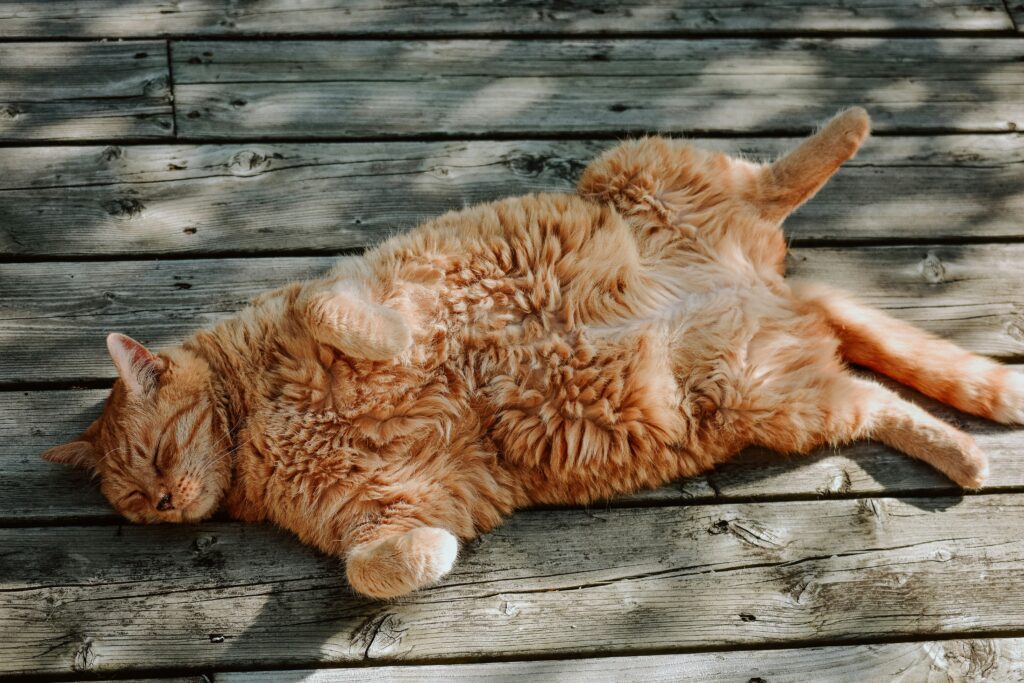
Anyone who lives with pets already knows the small daily battle. You vacuum the living room. Ten minutes later, there’s fur drifting across the carpet again like it owns the place. The dog walks through after a rainy park run, shakes once near the hallway, and suddenly, the house looks like it hosted a mud festival.
That’s normal. It’s part of sharing space with animals.
What people usually don’t see right away is what happens below the surface. Carpets are quite collectors. Everything that moves through the room ends up there eventually — hair, dust, skin flakes, pollen, crumbs, bits of whatever came in on someone’s shoes. Some of it sits on top for a while. The rest slowly disappears into the pile.
Weeks pass. Then months.
Nothing dramatic happens overnight. The carpet still looks fine. But something changes in the room. Maybe the air feels heavier. Maybe there’s a faint smell you can’t quite locate. Someone starts sneezing more indoors than outside.
That’s usually when people realise carpets in busy homes hold far more than expected.
How Daily Habits Affect Carpet Cleanliness
Many people think carpets get dirty mostly because of pets. In reality, a lot of it comes from everyday habits around the house.
Shoes are one of the biggest contributors. After a walk outside they carry tiny bits of grit, road dust, and moisture from pavements. Most of it isn’t visible, but those particles settle into the carpet over time. As people walk across the room, they get pressed deeper into the fibres.
Other small routines add to the buildup as well. Eating on the sofa leaves crumbs that disappear into the pile. Open windows bring in pollen and dust during certain seasons. Even moving chairs or tables along the same path again and again slowly pushes debris further into the carpet.
None of this is unusual. It’s simply how daily life works inside a home. Over time, though, carpets collect the traces of everything happening in the room. Every now and then, removing that deeper buildup helps the surface feel cleaner, softer, and closer to how it looked when it was new.
Why Pet Hair Becomes a Persistent Problem
Pet hair behaves strangely in a house. It doesn’t stay near the pet.
A cat sleeps on one chair, but somehow fur ends up on the stairs, the hallway rug, the guest room carpet nobody even uses. Dogs do the same thing. The movement of people and air pushes loose hair around the house until it settles wherever fibres can grab it.
Most people deal with the visible hair first. Quick vacuum. Problem solved… or at least it looks solved.
The tricky part happens later. As people walk across the carpet, the fibres bend and flex. That movement presses hair deeper into the pile. Over time, the carpet becomes a trap where strands mix with dust, fine dirt, and tiny particles that float through the air every day.
A few things quietly make the situation worse in busy homes:
- Pets moving freely between rooms and shedding constantly
- Static electricity that makes hair cling stubbornly to fabric
- Daily foot traffic pushing debris deeper into carpet fibres
- Upholstered furniture catching loose strands during normal use
After enough time, the hair you see on the surface is only a small part of the story. Most of it sits inside the carpet structure where ordinary vacuuming barely reaches.
People often assume the vacuum just isn’t strong enough. The truth is simpler. Carpets are built to hold fibres upright. Once debris reaches the base of that structure, it takes serious extraction power to remove it.
How Odours Develop in Soft Surfaces
Pet hair alone rarely creates a smell. The odour problem starts when other organic material settles in the same place.
Pets naturally carry oils in their fur. Dander flakes off as they move around the house. Sometimes there’s a small accident on the carpet that gets cleaned quickly but still leaves traces behind. Even moisture from damp paws can sink into the fibres.
None of that seems significant at the time.
The problem develops slowly. Residue accumulates inside the carpet layers. Warm indoor temperatures and small amounts of moisture create the perfect conditions for smells to develop. Once they start, they tend to linger.
Some homeowners describe it as a “closed room smell.” Others notice it when they come back after being outside for a few hours.
A few common conditions make the situation worse:
- Moisture trapped in thick carpet fibres
- Cleaning sprays that leave residue behind
- Pet oils and dander gradually building up
- Rooms with limited airflow where smells settle
Air fresheners can cover the scent for a while. Open a window, spray something floral, light a candle. The smell fades.
Then it comes back.
The reason is simple. The material causing the odour is still inside the carpet. Until it’s extracted properly, the smell never fully disappears.
Allergens Hidden Beneath the Surface
Carpets act like giant filters inside a home. Everything floating through the air eventually lands there.
Dust settles constantly. Pollen drifts in through open windows. Tiny fragments from clothing, skin, and pets fall into the fibres. Over time, the carpet becomes a storage space for particles too small to notice.
Homes with animals tend to collect more of these allergens simply because pets produce additional dander and microscopic debris.
Common things found inside carpets include:
- Pet dander released from skin and fur
- Dust mites that thrive in warm fibres
- Pollen carried indoors from outside
- Fine dust circulating through the air
Most of these particles are invisible. You won’t see them while looking at the carpet.
You might notice them somewhere else, though. Sneezing indoors. Mild irritation in the eyes. That feeling of stuffy air in rooms that otherwise look perfectly clean.
Vacuuming helps, especially with good filters. Still, many of these particles stay buried inside the lower layers of the carpet where normal suction doesn’t reach.
This is one reason allergy symptoms sometimes improve after a proper deep cleaning session. The irritating particles are physically removed from the fibres.
Why Professional Cleaning Makes a Difference
Household vacuums are designed for routine cleaning. They keep surfaces presentable and remove loose debris.
Professional carpet cleaning works differently. The goal isn’t just appearance. It’s extraction.
Specialised equipment injects hot water mixed with cleaning solution deep into the carpet. That moisture loosens debris trapped in the fibres. Powerful suction then pulls the water back out along with dirt, hair, residue, and microscopic particles.
It’s not a quick process.
Technicians usually inspect the material first. Different carpets react differently to cleaning. Wool fibres require careful temperature control. Synthetic carpets tolerate stronger extraction. Some delicate materials need milder solutions.
That’s one reason many households turn to home cleaning services in Fulham when everyday cleaning stops making a visible difference. Experienced technicians understand how to adjust pressure, temperature, and cleaning chemistry depending on the carpet type.
They’re not just cleaning the surface. They’re restoring the fibres.
Professional cleaning often extends beyond carpets as well. Upholstered furniture, rugs, and even mattresses collect similar debris over time. Once those surfaces are treated, the entire room tends to feel noticeably fresher.
Keeping Busy Homes Fresh and Comfortable
Homes with pets never stay perfectly tidy. That’s simply part of life with animals.
Hair will always appear again after cleaning. Paw prints return after the next walk outside. Someone will inevitably drop crumbs on the carpet five minutes after vacuuming.
What matters more is what happens underneath.
When the deeper layers of debris are removed, carpets feel different. Softer. Lighter. Rooms lose that slightly stale feeling that sometimes creeps in without explanation.
Regular maintenance helps. Brushing pets removes loose fur before it spreads everywhere. Opening windows improves airflow. Good vacuum habits slow down buildup.
Still, even well-maintained homes eventually need deeper cleaning.
Busy households put carpets through a lot. Kids playing on the floor, pets stretching out wherever they like, people moving in and out all day. Over time, those fibres collect the entire history of daily life.
A thorough deep cleaning simply resets the surface.
After that, the house goes back to what it should feel like — comfortable, lived-in, and fresh enough that nobody notices the carpets at all. Which, in most homes, is exactly the goal.