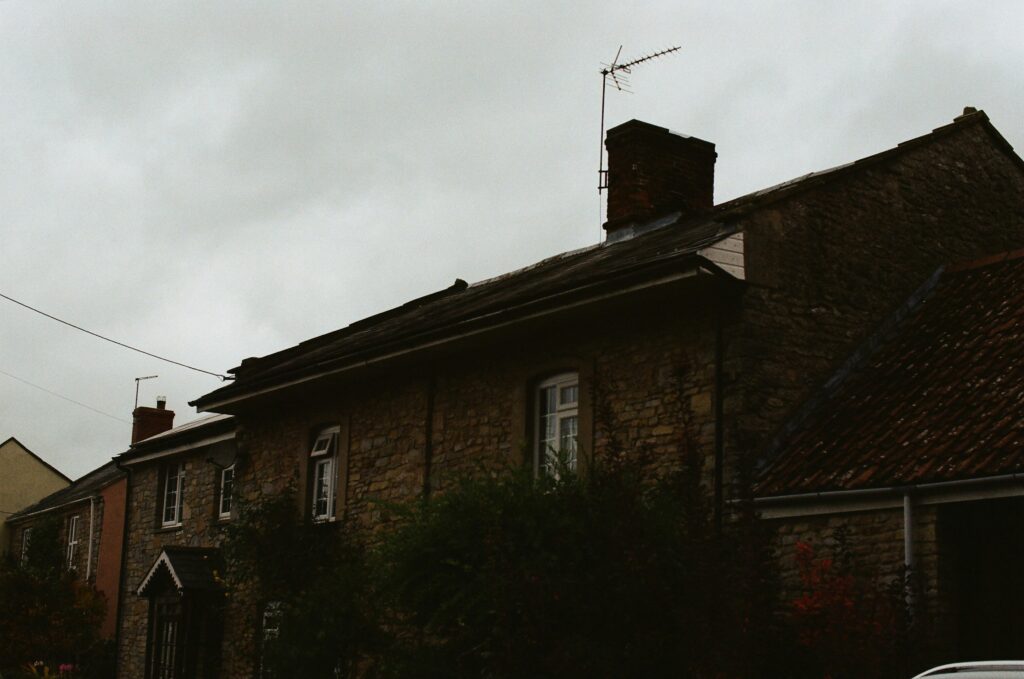
Older homes across Australia carry a certain appeal. High ceilings, established neighbourhoods, and character features are often enough to draw in buyers and investors alike. But beneath that charm, there are patterns of wear and construction limitations that tend to show up repeatedly. Understanding these issues early can mean the difference between a smart purchase and an expensive lesson.
This isn’t about scaring buyers off older properties. It’s about knowing what you’re walking into, and where the real risks tend to sit.
Structural Movement and Foundation Issues
One of the most common problems in older Australian homes is structural movement. This is especially true for properties built before modern slab engineering standards were introduced.
Cracks in walls, uneven floors, or doors that no longer close properly are often early indicators. In many cases, these issues stem from reactive soil types. According to CSIRO, a large portion of Australian residential areas sit on highly reactive clay soils, which expand and contract with moisture changes.
Over time, this movement places stress on foundations and framing. What starts as minor cosmetic cracking can develop into structural instability if left unaddressed.
Buyers’ agents often look at these signs as a negotiation opportunity, but only if they understand the severity. Not all cracks are equal, and misjudging them can be costly.
Roof Deterioration and Water Ingress
Roofs tend to show their age long before other parts of the home. In older properties, you’ll often find worn tiles, rusted metal sheets, or degraded flashing.
Water ingress is the real concern here. Once moisture finds its way in, it can lead to:
- Timber rot in roof framing
- Mould growth in ceiling cavities
- Insulation damage
- Electrical risks
The issue is not always obvious during a standard viewing. Stains on ceilings or a slight musty smell can be the only visible clues.
According to Australian Building Codes Board, proper waterproofing and drainage are critical compliance areas in modern construction, which highlights how older homes may fall short of current expectations.
Outdated Electrical Systems
Electrical systems in homes built several decades ago were never designed for today’s level of appliance use.
Common issues include:
- Old switchboards without safety switches
- Deteriorated wiring insulation
- Limited circuit capacity
- DIY modifications over the years
These aren’t just inconveniences. They can present genuine fire risks.
It’s not uncommon for buyers to underestimate the cost of electrical upgrades. A full rewire or switchboard replacement can quickly move into the thousands, depending on the property size.
Plumbing Wear and Hidden Leaks
Older plumbing systems can be unpredictable. Galvanised steel pipes, which were widely used in the past, are particularly prone to corrosion.
Over time, this leads to:
- Reduced water pressure
- Internal rust buildup
- Leaks within walls or under floors
Leaks are especially problematic because they often go unnoticed until damage becomes visible. By that point, repairs may involve not just plumbing work, but also wall, flooring, or cabinetry replacement.
Timber Pests and Long Term Damage
Termites remain one of the most financially damaging issues in Australian housing.
The challenge with older homes is that termite damage may already exist, sometimes from years or even decades prior. Even if the infestation is no longer active, the structural impact can remain.
According to Australian Environmental Pest Managers Association, termite activity causes hundreds of millions of dollars in damage to Australian homes annually.
Signs are not always obvious. Hollow sounding timber, sagging floors, or minor surface damage can indicate much deeper structural compromise.
This is one area where assumptions can be dangerous. A property can look perfectly fine on the surface while hiding significant internal damage.
Poor Ventilation and Mould Issues
Ventilation standards in older homes were very different from what we expect today. Combined with modern living habits, this often leads to moisture buildup.
Common outcomes include:
- Mould in bathrooms and ceilings
- Condensation on windows
- Damp subfloors
In some cases, poor ventilation contributes to long term timber decay and indoor air quality concerns.
Mould is not just a cosmetic issue. It can affect health and may indicate underlying moisture problems that require structural attention.
Insulation and Energy Inefficiency
Energy efficiency was not a major consideration in older construction. As a result, many homes lack proper insulation in walls and ceilings.
This leads to:
- Higher heating and cooling costs
- Inconsistent indoor temperatures
- Reduced comfort
Upgrading insulation is often possible, but it adds another layer of cost that buyers need to factor in.
Why These Defects Matter During Purchase
For buyers and buyers’ agents, these defects are not just technical observations. They directly impact:
- Property value
- Negotiation strategy
- Renovation budgeting
- Long term livability
In many cases, a well-documented defect can justify a price reduction or influence whether a deal proceeds at all.
This is where professional inspections come into play. For example, engaging Melbourne Building and Pest Inspection allows buyers to move beyond guesswork and make decisions based on evidence rather than assumptions.
How Buyers and Agents Approach Older Homes
Experienced buyers’ agents rarely expect older homes to be perfect. Instead, they approach them with a framework:
- Identify major structural risks first
- Separate cosmetic issues from serious defects
- Estimate realistic repair costs
- Use findings to negotiate or exit
The goal is not to eliminate risk entirely, but to understand it clearly.
Conclusion: Knowing Where the Real Risks Sit
Older homes can still represent excellent opportunities, whether for homeowners or investors. But they require a different level of scrutiny compared to newer builds.
The most common defects are rarely hidden in obscure places. They tend to follow predictable patterns across structure, roofing, electrical systems, plumbing, and pest exposure.
The difference between a good purchase and a problematic one often comes down to how well these issues are identified and understood before committing.
Working with professionals such as Melbourne Building and Pest Inspections ensures that decisions are grounded in reality, not surface impressions.