
Clogged drains are a common problem in Toronto homes, especially during the colder months. From backed-up kitchen sinks to stubborn main sewer line blockages, knowing how to clear a clogged kitchen sink, recognize signs your main drain is blocked, and choose the right solution between DIY and professional methods can save time, stress, and money.
What’s Wrong With Toronto Drains
Toronto drains face unique challenges that make clogs more common than most homeowners expect, and knowing the right approach to clearing clogged pipes can save time and stress.
- Winter contributes to clogs. Cold temperatures can solidify grease and cause debris to stick to pipe walls. Frozen ground can also stress sewer lines and lead to backups near outdoor connections.
- Older homes and tree roots. Many Toronto neighborhoods have aging sewer systems with clay or cast-iron pipes. Tree roots seek moisture and can invade weak spots, causing blockages far from the sink or toilet.
- Urban lifestyle factors. Frequent use of garbage disposals, improper disposal of fats and oils, or flushing non-flushable items all contribute to recurring clogs.
How to Tell If You Have a Clogged Drain
Signs Your Main Drain Is Blocked
A blocked main drain usually affects more than one fixture. Watch for:
- Slow drainage in multiple areas including sinks, bathtubs, and floor drains
- Gurgling sounds in toilets or sinks as air struggles to escape blocked pipes
- Persistent foul odours from drains
- Water backups after heavy rain indicate sewer line issues
If these symptoms appear, the obstruction is likely deeper in the plumbing system, not just in one fixture.
How to Clear a Clogged Kitchen Sink
Kitchen sinks are among the most common sites of clog problems. Here is a step-by-step approach:
1. Start With Basic Tools
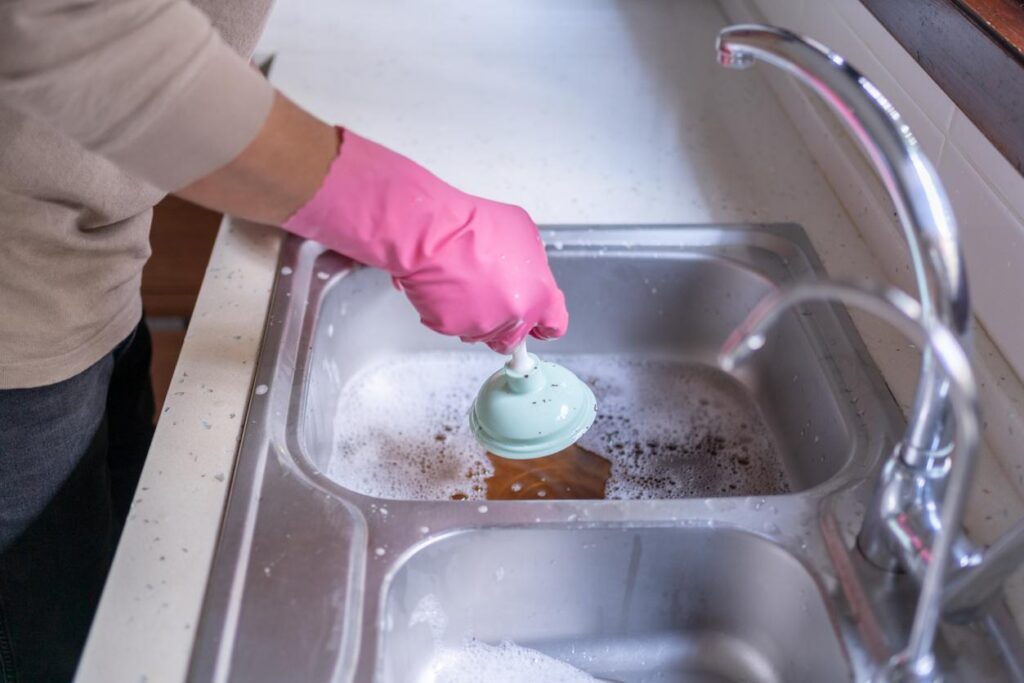
- Plunger. Create a tight seal and push or pull several times to loosen surface clogs.
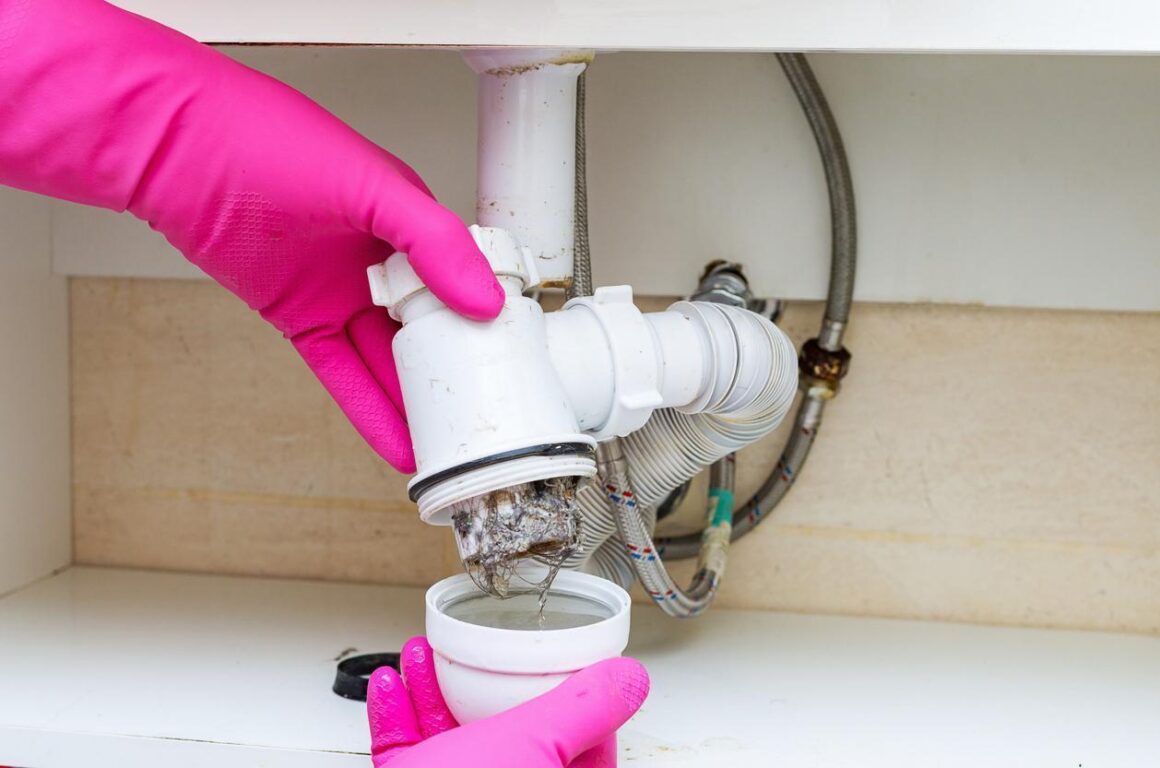
- Remove and clean the P-trap. Often, debris gathers under the sink. Place a bucket underneath, loosen the trap, and remove the gunk.
- Manual drain snake. Insert a plumber’s snake into the drain and twist to catch the clog and pull it out.
These steps can clear many kitchen sink clogs without heavy equipment.
2. Use Natural Cleaning Solutions
Mixtures like baking soda followed by vinegar can help dislodge minor buildup. Flush with hot water afterward to carry debris through the drain. This method is safer for pipes than repeated chemical cleaners.
Avoid pouring boiling water directly into all drains because extremely high temperatures can damage PVC or older pipes.
Coolest Methods for Professional Drain Snaking
Professional drain snaking uses a flexible cable, often motorized, to reach deeper blockages.
Advantages of Professional Snaking
- Reaches deeper clogs that basic tools cannot reach
- Breaks apart dense buildup, including grease, hair, soap scum, or small tree root intrusions
- Safer than DIY augers when used by trained plumbers
Motorized drain snakes are effective for blockages farther down the line or in larger main drains.
DIY vs Professional Hydro Jetting
What Is Hydro Jetting
Hydro jetting uses high-pressure water streams to scour pipe walls, removing grease, debris, scale, and small roots. This restores pipes to near-new condition.
When DIY Methods Are Not Enough
- Persistent clogs that reappear after snaking indicate buildup deep in the line
- Slow drains or main line symptoms often require professional cleaning
- Tree roots or hardened grease are usually beyond the reach of DIY methods
Benefits of Professional Hydro Jetting
- Thorough cleaning removes long-term buildup instead of just opening a hole
- Reduces the likelihood of recurring clogs
- Does not require harsh chemicals
- Can be combined with camera inspection to confirm pipe condition
Hydro jetting is a professional service but can be more cost-effective in the long term than repeated partial fixes.
Routine Maintenance to Avoid Future Clogs
Preventive measures can save time and expense:
- Use drain strainers to catch hair, food particles, and debris
- Do not pour fats and grease down the sink
- Flush drains with hot water periodically to clear minor buildups
- Schedule regular inspections if you notice slowdowns or have an older home
A proactive approach reduces the risk of urgent clogging issues.
When to Call a Professional
Contact a licensed plumber if:
- Multiple fixtures drain slowly at the same time
- DIY methods fail more than once
- There is a suspected main sewer blockage
- Foul sewer smells or water backups appear in your home
A professional can accurately diagnose the issue and apply the correct solution, whether it is snaking, hydro jetting, or sewer line repair.
Conclusion
Clogged drains are more than an inconvenience. Knowing how to clear a clogged kitchen sink, recognizing signs your main drain is blocked, and choosing the best methods for professional drain snaking or hydro jetting can help you manage clogs confidently. Using the right tools and following preventive maintenance keeps Toronto homes’ drains flowing smoothly throughout every season.


