
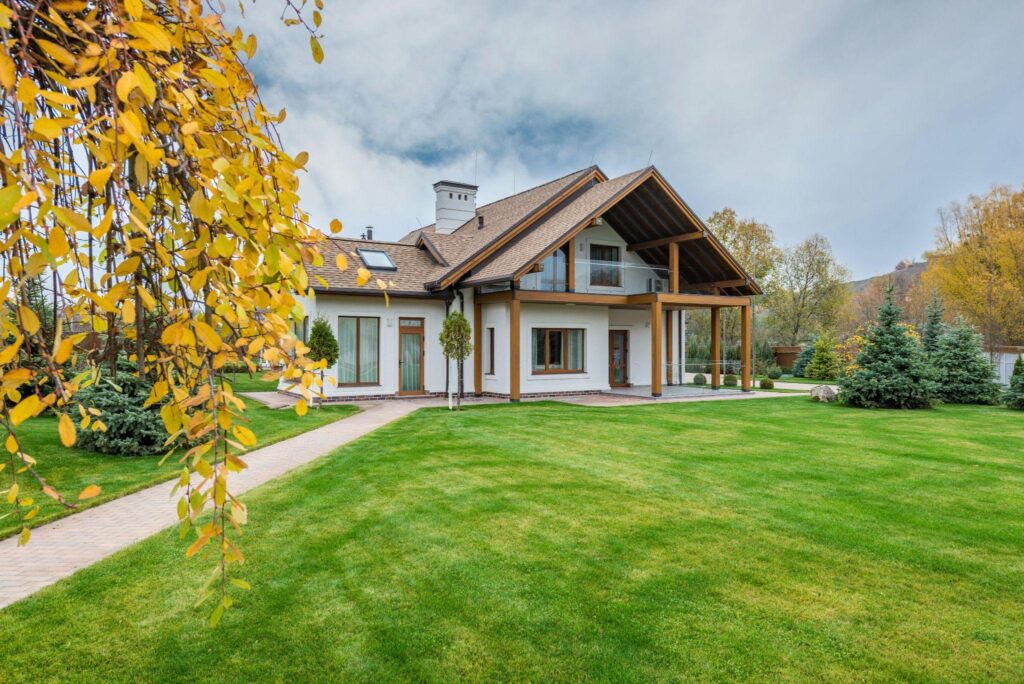
It's easy to let the backyard slide when life gets busy. The grass gets cut, the leaves get cleared, the patio gets hosed down, and for a while, that feels like enough.
Then something shifts.
The lawn still looks tired after mowing. The patio sits empty even though there's plenty of room to gather. Water pools in the same low spot after every storm. Or maybe the yard just feels unfinished, like it's waiting for something, but nobody's quite sure what.
Maintenance can keep a backyard from falling apart. What it can't always do is turn the space into somewhere people actually want to be. There's a real gap between caring for a yard and shaping it into something that fits your life, and that gap matters more than most homeowners realize.
A backyard isn't just the area behind the house. It can be where you drink your first cup of coffee before the day starts. Where kids run around, friends stay a little longer than planned, dinners stretch into the evening, and you finally feel like you have room to breathe. When that space only gets maintained and never really thought through, it starts to feel like a chore instead of part of the home.
The Signs That Maintenance Isn’t Cutting It Anymore
Most homeowners can handle the basics: pulling weeds, trimming shrubs, and keeping the lawn mowed. That kind of routine care helps, but it doesn't always fix the real problem.
One clear sign you need more than maintenance is when the same issues keep coming back. Weeds return within days. Grass dies in the same patch no matter what you do. Water collects in the same corner after every rain. These aren't surface problems. They usually point to something deeper: soil health, drainage, grading, shade, or a layout that was never quite right.
Another sign is when the yard doesn't match how you actually live. You have the space, but nowhere comfortable to sit. You'd love to have people over, but you're working with a cracked patio and a few mismatched chairs dragged from the garage. You picture a peaceful garden, but keep looking at bare fencing, patchy grass, and corners that don't know what they're for.
At that point, the question changes. It stops being "How do I keep this tidy?" and becomes "How do I make this actually work?"
That's where things like thoughtful design, hardscaping, planting plans, lighting, drainage, and backyard outdoor living services come in, not as luxuries, but as real solutions to a space that isn't doing its job.
Why Backyards Get Frustrating Over Time
It rarely happens all at once. Backyards tend to drift.
A tree gets bigger and takes over the light. A patio that looked fine starts cracking or just feels too cramped. A gentle slope turns into a drainage headache. Furniture gets added without a plan. Plants get placed wherever there's room. Before long, the space feels pieced together, and not in a charming way.
There's also the fact that homeowners change. A yard that worked perfectly for two people without kids looks completely different once there are children, pets, or a regular crowd of guests in the picture. What used to need only a lawn and a grill eventually needs shade, seating, lighting, safer surfaces, and a little privacy.
That's why maintenance can start to feel pointless. It keeps things presentable without addressing why the space feels hard to enjoy. A trimmed lawn doesn't fix poor flow. Clean flower beds don't create a place to gather. Fresh mulch doesn't solve a drainage problem.
Sometimes the backyard doesn't need more effort. It needs a better plan.
Looking at the Yard as One Whole Space
A useful backyard starts with a simple question: what does this space actually need to do?
Before picking plants, pavers, furniture, or string lights, it's worth thinking about how you want to use the yard. Entertaining? A quiet spot to decompress? A play area? An outdoor kitchen? A garden? Some mix of all of it?
Those questions might sound obvious, but they can completely change the direction of a project. Someone who wants to host dinners needs a bigger patio, good lighting, and a clear path from the kitchen to the seating area. Someone craving privacy needs layered planting, fencing, or a pergola. A family with kids needs an open lawn, durable surfaces, and easy sightlines.
When the whole yard is thought through together, each piece has a reason to be where it is. The patio leads to the walkway. The plants soften the edges. The lighting makes the space usable after dark. The seating feels placed, not just dropped wherever there was room.
That kind of thinking doesn't have to be elaborate or expensive. It just has to be intentional.
Comfort Is More Practical Than It Sounds
A yard can look perfectly kept and still feel uncomfortable to spend time in. Too much afternoon sun. Nowhere to set a drink. Seating that faces the neighbor's fence. No shade, no cover, no privacy. These feel like small details, but they're usually what decides whether the backyard actually gets used.
If people have to drag furniture across the lawn, step around muddy patches, or head inside once the sun goes down, the yard will stay empty no matter how well-maintained it is.
Usability also affects how much work a space requires in the long term. The right plants in the right places reduce stress. Durable materials hold up to weather and foot traffic. Good drainage prevents the same damage from recurring year after year. A smart layout makes mowing, cleaning, and seasonal care feel manageable instead of endless.
The goal isn't perfection. It's a space that feels natural to use and easy enough to keep up that it doesn't become a burden.
Where Outdoor Living Actually Adds Value
Outdoor living doesn't have to mean a sweeping renovation. Sometimes it's a small seating area where morning coffee finally feels like a ritual. A better-lit path from the house to the garage. A fire pit that pulls people outside on cool evenings.
The value comes from use.
A backyard that supports everyday life tends to become one of the most-loved parts of a home. It gives people another place to breathe, connect, and step away from screens and indoor routines. It also adds functional square footage, improves the feel of the whole property, and makes the house feel more complete.
But the quieter value, the emotional one, matters just as much. There's something that shifts when you walk outside and feel like the space was actually made with care. It changes how the whole home feels.
That's hard to get from maintenance alone.
Knowing When to Call in Help
Some backyard work is easy enough to handle yourself. Freshening up containers, cleaning furniture, laying new mulch: small changes like these can make a real difference.
Bigger problems are a different story. Drainage issues, patio installation, retaining walls, landscape design, irrigation, and lighting: these involve enough variables that professional experience genuinely pays off. A good landscaper can see how different parts of the yard affect each other. They can also help you avoid the kind of mistakes that cost more to fix later: materials that don't hold up, plants placed where they'll struggle, a patio built without accounting for where the water goes.
Bringing in help doesn't mean handing over control. Usually, it means finally getting clarity. You might know exactly how you want the backyard to feel, just not how to get there. The right guidance can turn a pile of ideas into a plan that actually works.
A Better Backyard Starts With Paying Attention
The first step is just noticing what's not working.
Where does water collect? Which spots get brutal afternoon sun? What parts of the yard never get used? What feels cramped, exposed, awkward, or just unfinished?
Those observations are worth more than most people think. They reveal the real needs of the space, not the features, not the trends, but what would actually make the yard feel better to be in.
Sometimes that leads to a full redesign. Sometimes it's a few targeted improvements. Either way, the goal is the same: stop managing the yard and start enjoying it.
Conclusion
Maintenance has its place. It keeps things clean, controlled, and presentable. But when a backyard feels uncomfortable, underused, or stuck in a cycle of the same recurring problems, maintenance alone won't get you out of it.
That's usually the moment to look a little deeper.
A better backyard doesn't come from mowing more carefully or trimming more often. It comes from understanding how the space functions, how people move through it, and what would make it easier to actually live in. With the right thinking and the right plan, even the most frustrating outdoor space can become a warm, practical, and worthwhile place to spend time.
When that happens, the backyard stops being one more thing on the list.
It becomes part of the home.


