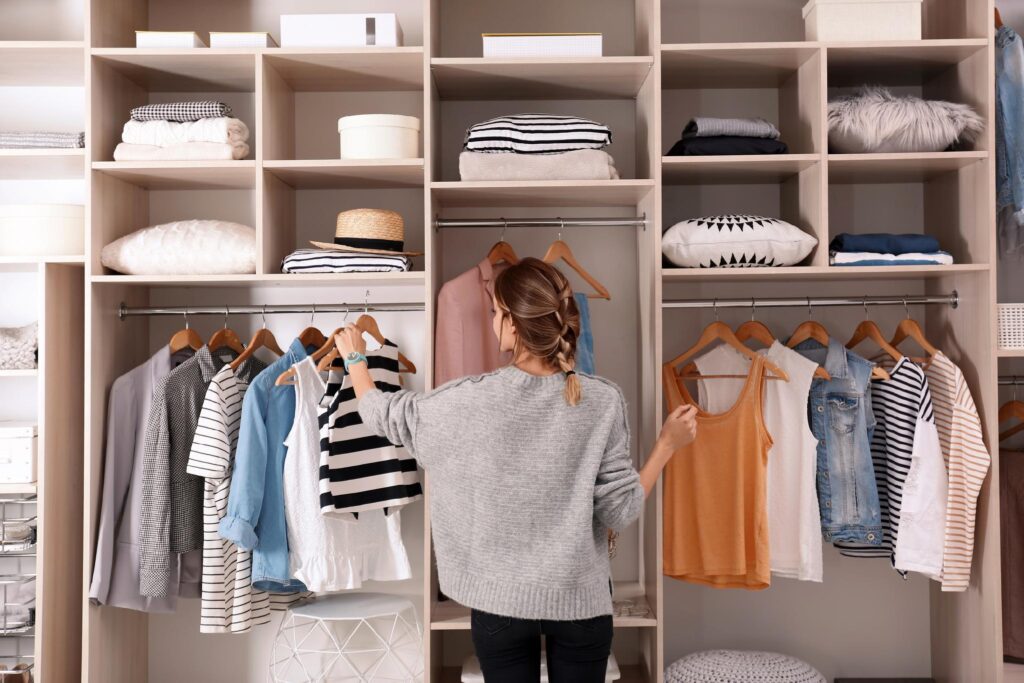
Clutter has a sneaky way of appearing even in homes that are cleaned regularly. A few shoes by the door become a shoe village. Mail forms a paper mountain on the counter. Toys migrate across rooms like tiny plastic wildlife. Closets become mysterious caves where useful items disappear and duplicate items multiply in the dark.
The problem is not always that you own too much. Sometimes the problem is that your home does not have clear, convenient places for the things you use every day. Good storage is not just about hiding stuff. It is about creating simple systems that make it easier to put things away than to leave them out.
DIY storage projects can be especially helpful because they let you solve problems based on how your household actually lives. You do not need a custom-built mudroom, luxury closet system, or expensive organizing service to make your home feel calmer. With a few practical upgrades, you can create storage that reduces clutter, improves daily routines, and makes your rooms feel more open.
The best storage ideas are simple, visible, and easy to maintain. If a system requires too much effort, it will slowly collapse under the weight of real life. But if the system matches your habits, it can quietly change the way your home functions.
Start by Identifying Clutter Hot Spots
Before building shelves or buying bins, look for the places where clutter naturally collects. These are your home’s trouble zones. Common hot spots include entryways, kitchen counters, bathroom vanities, bedroom chairs, laundry areas, closets, coffee tables, kids’ rooms, garages, and home offices.
Walk through your home and notice what keeps ending up in the wrong place. Are backpacks always on the floor? Is mail scattered across the kitchen? Are shoes piling up near the door? Are cleaning supplies difficult to access? Are blankets always draped over furniture? Are chargers and cords tangled everywhere?
This step matters because storage should solve a real problem. A beautiful basket in the wrong place will not help much. A plain basket exactly where people drop their things might become the hero of the household.
Once you know your hot spots, you can create storage that works with your habits instead of fighting them.
Build a Simple Entryway Drop Zone
The entryway is one of the most important places to control clutter because it is where the outside world enters your home. Shoes, keys, wallets, jackets, dog leashes, mail, sunglasses, and bags all need somewhere to land.
A DIY drop zone does not require a large foyer. Even a narrow wall can become useful with a few hooks, a small shelf, baskets, and a tray. Install sturdy wall hooks for coats, hats, bags, and backpacks. Add a bench if there is room, especially one with storage underneath. Use baskets or bins for shoes, gloves, scarves, pet supplies, or sports gear.
A small wall-mounted shelf can hold keys and sunglasses. A mail organizer can keep papers from spreading across the kitchen. If children use the space, place hooks low enough for them to reach.
The goal is to make the entryway easy to use in a hurry. When everything has a landing spot, the first few feet of your home feel less chaotic.
Use Vertical Wall Space
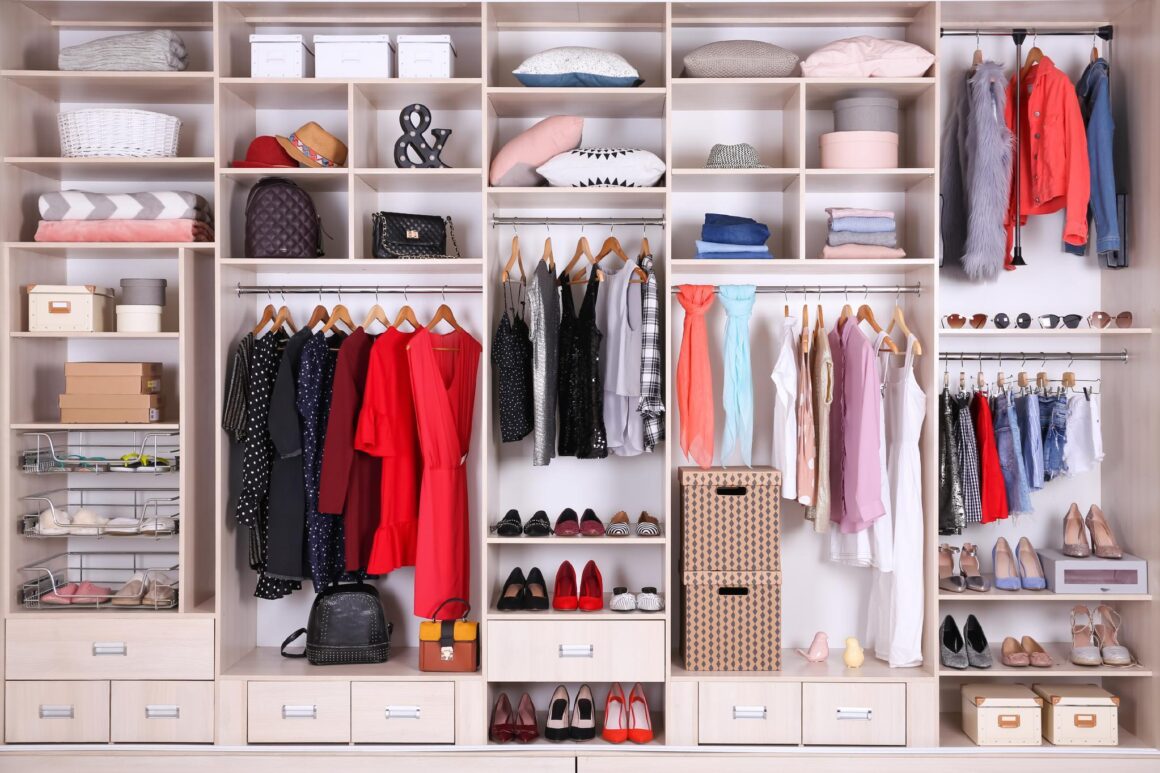
One of the easiest ways to create more storage is to use vertical space. Many homes have blank walls that can hold shelves, hooks, pegboards, rails, or hanging baskets.
Floating shelves can work in living rooms, kitchens, bathrooms, bedrooms, laundry rooms, and home offices. They are useful for books, decor, toiletries, pantry jars, folded towels, plants, baskets, and small supplies. In a small room, shelves can add storage without taking up floor space.
Hooks are even simpler. A row of hooks in a hallway can hold bags and jackets. Hooks in a bathroom can hold towels and robes. Hooks in a laundry room can hold cleaning tools. Hooks inside cabinet doors can hold measuring spoons, hair tools, or reusable bags.
Pegboards are especially useful in garages, craft rooms, kitchens, and offices. You can customize them with hooks, small shelves, cups, and baskets. Instead of stuffing tools or supplies into drawers, a pegboard keeps them visible and easy to grab.
Vertical storage is powerful because it gets items off counters, floors, and furniture. It turns empty walls into hardworking storage zones.
Create Under-Bed Storage
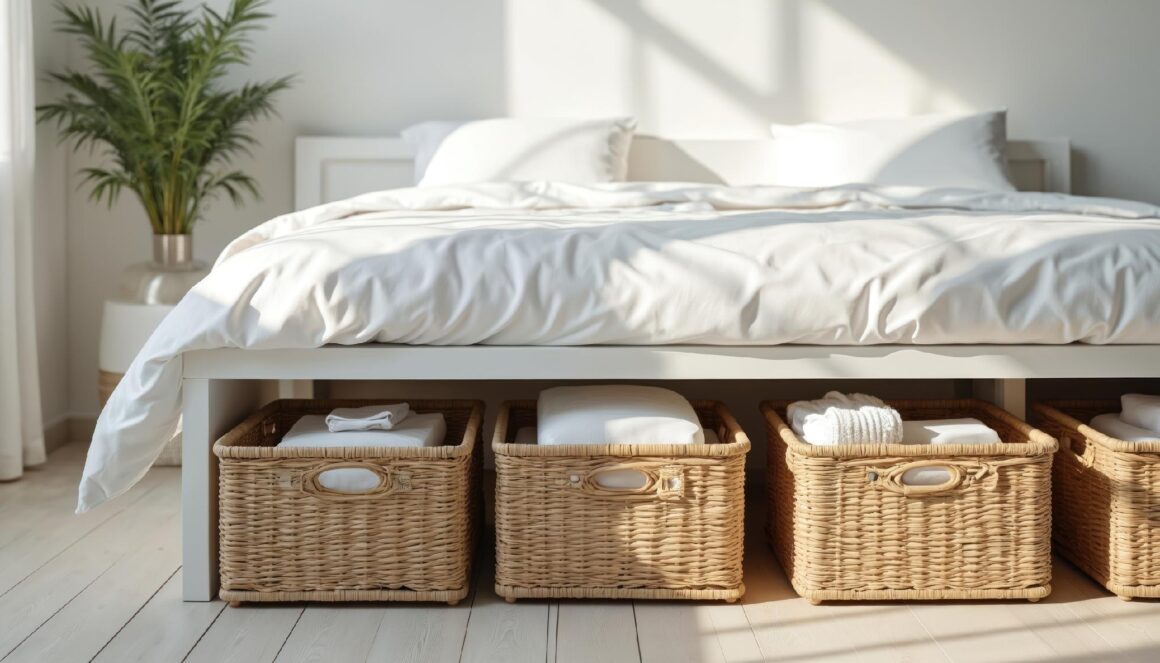
The space under the bed is often underused, but it can be valuable storage for items you do not need every day. Seasonal clothing, extra bedding, shoes, gift wrap, keepsakes, or holiday decor can all fit neatly under the bed with the right containers.
For an easy DIY project, use low rolling bins, shallow baskets, or repurposed drawers with small wheels attached. If the bed is too low, bed risers can create extra clearance. Choose containers with lids if dust is a concern.
Label the containers so you do not have to drag everything out to find one item. If the storage is for children, use clear bins or picture labels so they can understand the system.
Under-bed storage works best for things that are useful but not constantly needed. Avoid using it as a hiding place for random clutter. Otherwise, it becomes a flat little basement of forgotten objects.
Add Shelving Inside Closets
Closets often have more potential than they appear to. A single hanging rod and one high shelf can leave a lot of wasted space. Adding extra shelves, a second rod, hooks, or bins can make the closet much more functional.
In a bedroom closet, consider adding a second hanging rod below the first for shirts, pants, or children’s clothes. Install shelves for folded sweaters, shoes, bags, or bins. Use shelf dividers to prevent stacks from toppling. Add hooks to the inside of the closet door for belts, scarves, hats, or jewelry.
In a linen closet, use labeled bins for sheets, pillowcases, towels, medicine, toiletries, and cleaning supplies. Store sheet sets inside one pillowcase to keep them together. In a coat closet, add baskets for seasonal accessories and hooks for bags or umbrellas.
Closet storage should make items easy to see and reach. If things are hidden too deeply, they are more likely to be forgotten or replaced unnecessarily.
Turn Furniture Into Storage
Furniture that does double duty can reduce clutter without making a room feel crowded. Storage benches, ottomans, coffee tables with shelves, beds with drawers, and side tables with cabinets can all hide everyday items while keeping them nearby.
You can also create DIY storage furniture from pieces you already own. Add baskets to the bottom shelf of a console table. Place decorative boxes on a bookshelf. Turn a sturdy trunk into a coffee table. Add casters to wooden crates and slide them under a bench. Use a storage ottoman for blankets, games, or toys.
In small homes, multi-purpose furniture is especially helpful. A bench near the door can store shoes. A toy chest can become extra seating. A nightstand with drawers can hold books, chargers, and personal items.
The best storage furniture keeps clutter accessible but contained. The room still feels lived in, just less scattered.
Make Use of Cabinet Doors
The inside of cabinet doors is prime storage real estate. It is hidden, easy to access, and often completely unused.
In the kitchen, install small racks or hooks inside cabinet doors for measuring spoons, pot lids, cutting boards, reusable bags, cleaning cloths, or wraps and foils. Under the sink, use a door-mounted basket for sponges, gloves, or dishwasher tablets.
In the bathroom, use adhesive bins or small racks inside vanity doors for hair products, brushes, razors, or skincare items. In a laundry room, cabinet doors can hold stain removers, lint rollers, or cleaning tools.
The key is to avoid overloading the door. Use lightweight items and make sure the door still closes properly. This small DIY change can free up shelves and drawers without taking up any visible space.
Build a Garage Storage Wall
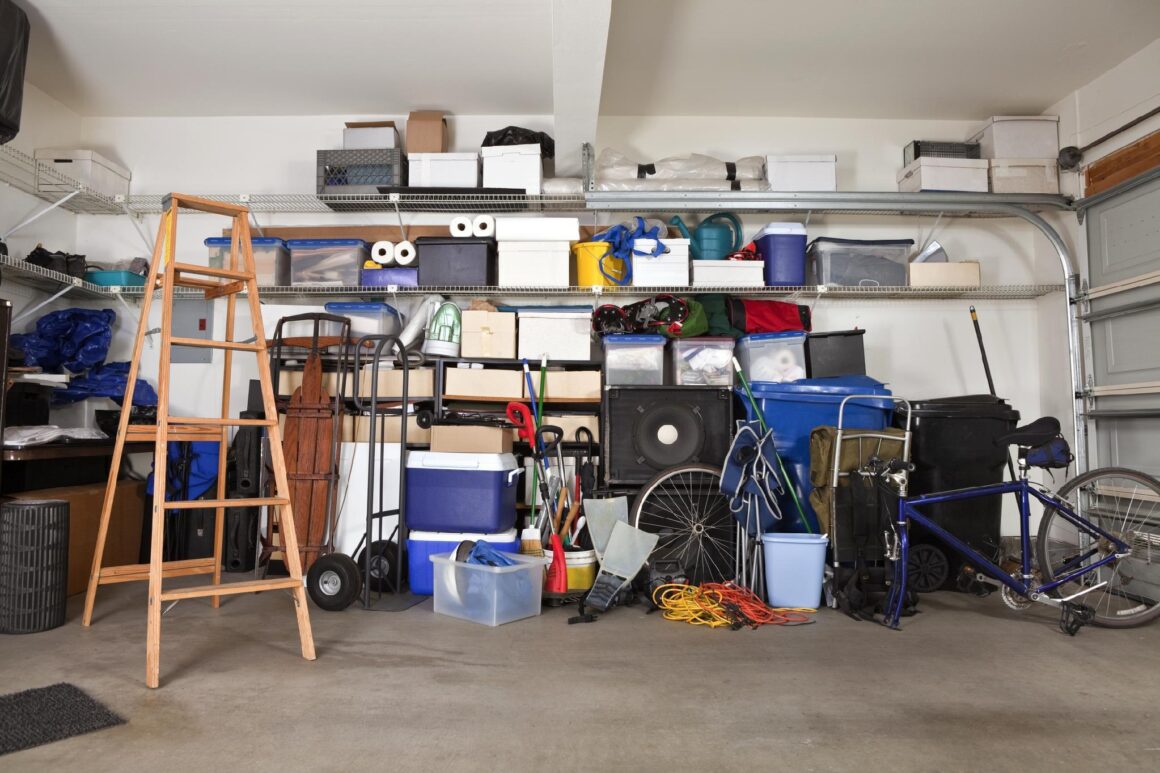
Garages are famous for becoming storage swamps. Tools, sports equipment, lawn supplies, seasonal decorations, paint cans, bikes, and mystery boxes all compete for space. A garage storage wall can bring order back.
Start with wall-mounted shelves, pegboards, hooks, or track systems. Store frequently used items at eye level and heavier items lower down. Seasonal or rarely used items can go higher.
Use clear bins for holiday decorations, camping gear, or car supplies. Label each bin clearly. Hang bikes, ladders, rakes, shovels, and extension cords on wall hooks. Small parts like screws, nails, and batteries can go into labeled jars or drawer organizers.
A garage storage wall keeps the floor clearer, which makes the garage easier to clean and use. It also prevents the familiar garage experience of buying something you already own because the original is buried behind a folding chair and three suspicious boxes.
Organize Kitchen Counters With Zones
Kitchen clutter often happens when everyday items do not have logical homes. Instead of trying to clear everything away, create zones based on how the kitchen is used.
A coffee zone might include mugs, coffee, filters, sweeteners, and spoons. A cooking zone might keep oils, salt, pepper, and utensils near the stove. A lunch-packing zone might include containers, bags, napkins, and snacks. A baking zone might group flour, sugar, measuring cups, and mixing tools.
DIY storage can make these zones work better. Use trays to group items on the counter. Install a magnetic strip for knives. Add risers inside cabinets. Use baskets in the pantry. Hang measuring cups on cabinet doors. Add a shelf above a coffee station.
The goal is not to remove everything from the kitchen. The goal is to keep useful items organized and prevent random clutter from spreading.
Create Bathroom Storage That Actually Works
Bathrooms often have limited storage, especially in older homes or small apartments. DIY solutions can make a big difference.
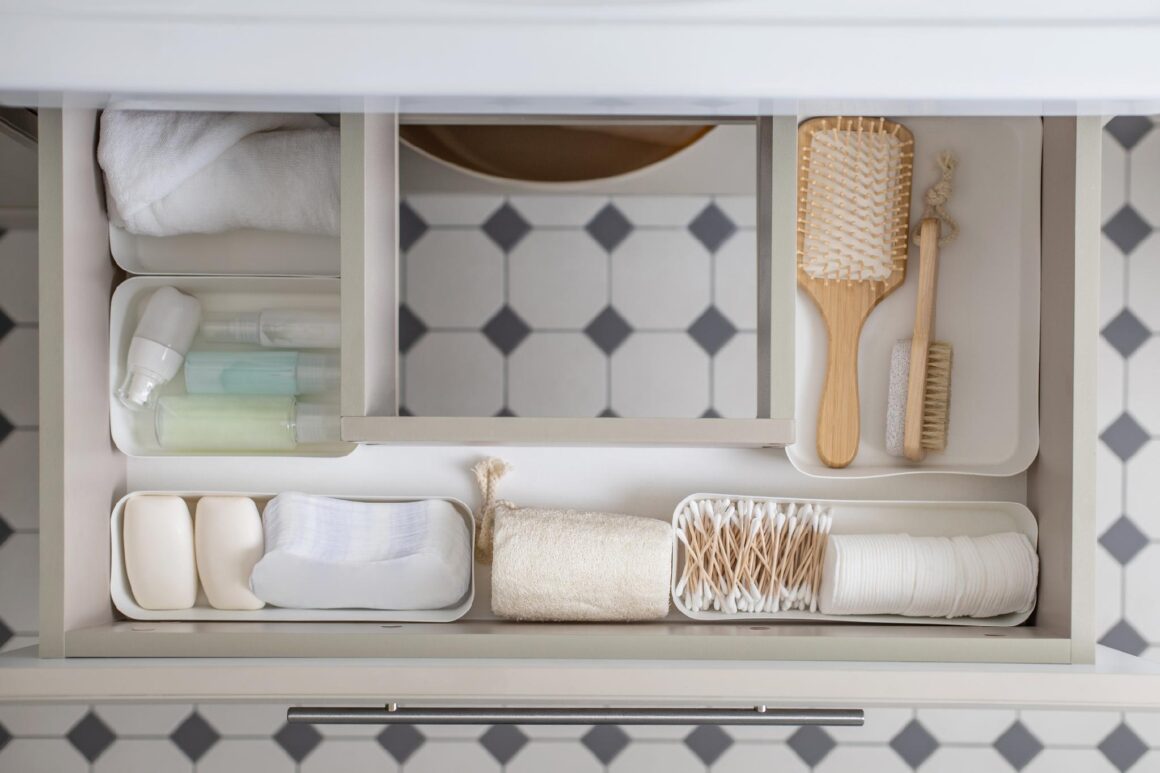
Add shelves above the toilet for towels, baskets, or extra toiletries. Use drawer dividers for makeup, razors, toothbrushes, and grooming tools. Install hooks instead of towel bars if multiple people use the bathroom. Use small baskets under the sink to separate hair products, cleaning supplies, skincare, and backup items.
A magnetic strip inside a cabinet can hold tweezers, nail clippers, or small metal grooming tools. A tiered organizer can make better use of vertical space under the sink. Glass jars or labeled containers can organize cotton balls, bath salts, or small essentials.
Bathroom storage should be easy to clean and moisture-resistant. Avoid overstuffing the space. Too many products on the counter can make even a clean bathroom feel messy.
Use Baskets Strategically
Baskets are one of the easiest and most flexible DIY storage tools. They work in nearly every room and can make practical storage look decorative.
Use large baskets for blankets, toys, shoes, laundry, or pet supplies. Use smaller baskets for mail, toiletries, pantry goods, craft supplies, or electronics. Place baskets on shelves, under benches, in closets, or beside sofas.
The important thing is to give each basket a purpose. A random basket becomes a clutter nest. A labeled or clearly assigned basket becomes a system.
For families, baskets can help with quick cleanups. One basket for each child, one basket for each room, or one “return to another room” basket can keep clutter from spreading. At the end of the day, items can be carried back to their proper places.
Baskets are not magic, but they are close enough to be suspicious.
Create a Command Center
A family command center can help reduce paper clutter and keep schedules visible. This works well in kitchens, mudrooms, hallways, or home offices.
A simple command center might include a calendar, mail sorter, hooks for keys, a bulletin board, a whiteboard, and folders for important papers. You can DIY one with a framed corkboard, wall pockets, clipboards, chalkboard paint, or a magnetic board.
Use it for school papers, bills, appointment reminders, meal plans, shopping lists, and permission slips. Keep it simple. If the command center becomes too complicated, people will ignore it.
A good command center prevents paper from spreading across counters and tables. It gives information one central home, which makes daily routines smoother.
Make Toy Storage Easy for Kids
Toy storage should be simple enough for children to use. If the system is too detailed, toys will end up on the floor again.
Use open bins, low shelves, baskets, and picture labels. Group toys by category, such as blocks, cars, dolls, puzzles, art supplies, costumes, or stuffed animals. Rotate toys if there are too many available at once. Store some away and switch them out every few weeks.
A low book ledge can make books easy to see and choose. A rolling cart can hold art supplies. A storage bench can hide larger toys. Clear bins can help kids find what they want without dumping everything out.
The goal is not a perfectly styled playroom. The goal is a cleanup system that does not require adult-level patience and a committee meeting.
Final Thoughts
DIY storage ideas can make your home feel cleaner, calmer, and easier to live in. The best systems are not always the fanciest. They are the ones that solve real problems in the places where clutter actually happens.
Start by identifying your clutter hot spots. Add an entryway drop zone. Use vertical wall space. Create under-bed storage. Improve closets. Choose furniture with hidden storage. Use cabinet doors. Organize garages, kitchens, bathrooms, toys, and paperwork with simple systems that match your daily routines.
Good storage does not just hide clutter. It changes the path clutter takes through your home. When items have clear places to go, cleanup becomes easier, rooms feel more open, and daily life runs with fewer tiny annoyances.
You do not need to organize the whole house at once. Choose one problem area, build one simple solution, and let that success lead to the next. Little by little, your home can become less cluttered, more functional, and much easier to enjoy.
Stock photos via Dreamstime.com