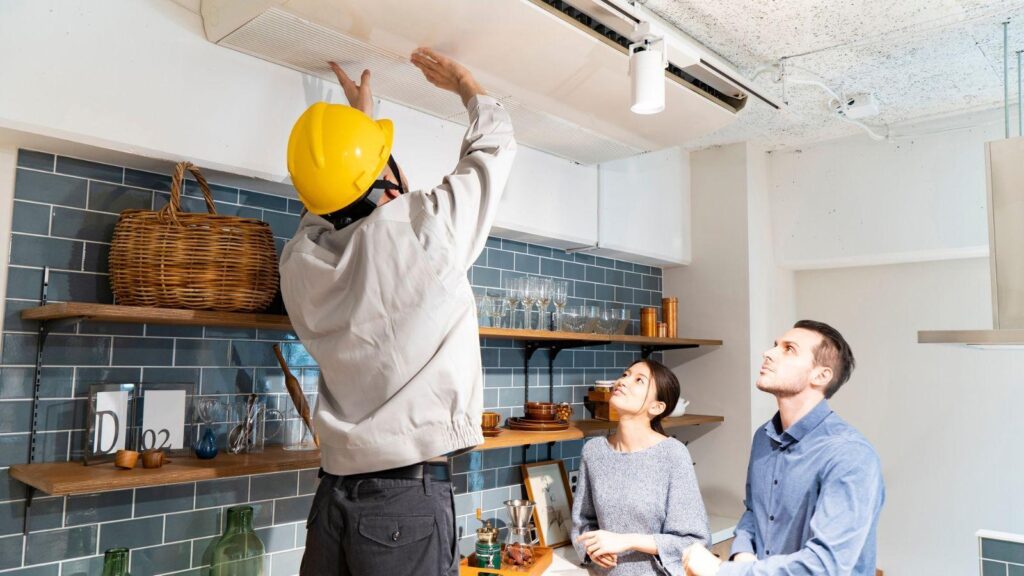
A tenant’s water heater fails on a Sunday night. They call the number on the lease, get voicemail, and leave a message. No one calls back until Tuesday. The repair itself might take twenty minutes, but the damage to that lease renewal is already done, and it happened in the silence between the call and the callback.
Property managers tend to think of tenant retention as a function of rent, amenities, and unit quality. The data says otherwise. The single biggest lever on whether a tenant renews isn’t price. It’s how fast someone responds when something breaks, and most breakages don’t happen during office hours.
The Renewal Math Nobody Talks About
The connection between maintenance responsiveness and renewals is stronger than most operators realize. Tenants who get a response to a maintenance request within 24 hours renew at roughly 86%. Tenants who wait 72 hours or more renew at around 51%. That 35-point gap is a bigger swing than rent level, unit size, or any other operational variable typically tracked.
It shows up in the exit surveys too. Delayed maintenance is the top-cited reason in a large share of dissatisfaction-driven move-outs, and a majority of non-renewing tenants point to unresolved maintenance as the primary cause. Nearly half of renters say maintenance responsiveness is their number-one factor in deciding whether to stay.
The reason this hits so hard after hours is simple: the office is closed exactly when tenants are home to notice problems. Evenings, nights, and weekends are when the leak gets discovered, the heat goes out, the lock jams. A voicemail box collecting those calls until Monday isn’t a safety net. It’s a slow leak in your renewal rate.
Why “We Have an Emergency Line” Isn’t Enough
Most property managers will say they already handle after-hours issues. In practice, the coverage usually has holes.
Voicemail with a promise to call back fails because the tenant has no idea whether their message was even heard, and the anxiety of a growing problem with no acknowledgment is its own retention hit. A forwarded cell phone works until the on-call person is asleep, on another call, or simply burned out from being woken for issues that could have waited. A traditional answering service picks up, but the operator can’t tell a genuine no-heat emergency from a dripping faucet, so they either escalate everything, exhausting the maintenance team, or downplay a real emergency into a next-day note.
The core problem is triage. After-hours coverage that can’t distinguish “my apartment is flooding” from “my garbage disposal is humming” either overreacts or underreacts, and both erode trust.
What Good After-Hours Coverage Actually Does
Effective coverage isn’t about answering every call with a human. It’s about making sure every tenant reaches something that acknowledges the problem, sorts it correctly, and acts. That means:
- Answering instantly, at any hour, so the tenant knows they’ve been heard the moment they call.
- Triaging by severity — a burst pipe or no-heat call routes to on-call maintenance immediately; a routine request gets logged and scheduled for the next business day.
- Creating the ticket automatically, so the request lands in the system the team already works from instead of a voicemail someone has to transcribe later.
- Handling the routine questions about rent, access, or lease terms that don’t need a person at all.
This is where AI answering has quietly reshaped the after-hours problem. An AI answering service for property management like ServiceAgent is designed to answer every call, tell an emergency from a routine request, dispatch the urgent ones to on-call maintenance, and open a ticket in the CRM, all without anyone sitting in the office at 9 p.m. The specific platform is less important than the shift it represents: after-hours coverage no longer has to mean either a voicemail box or an exhausted human on call.
Running the Cost Comparison
The economics favor responsiveness by a wide margin. Turnover commonly runs several thousand dollars per unit once you add up make-ready repairs, vacancy, and marketing. Against that, always-on maintenance intake is a minor line item. If faster response lifts renewals even a few points across a portfolio, it pays for itself many times over, before you even count the reputational benefit of tenants who tell friends the management “actually answers.”
For a property manager weighing options, the useful questions are direct:
1. Does every after-hours call get acknowledged in real time, or does it wait for Monday?
2. Can whatever answers tell a true emergency from a routine request?
3. Does the call become a ticket in your system, or a note someone has to chase?
4. Does it protect your maintenance team from unnecessary 3 a.m. wake-ups?
The Bottom Line
Tenants rarely leave over a single broken appliance. They leave over the feeling that when something went wrong, no one was there. That feeling forms in the exact hours the office is dark, which is when most maintenance problems surface. Property managers who close the after-hours gap, whether through a live team or an AI front desk, aren’t just fixing repairs faster. They’re protecting the renewal that funds everything else.