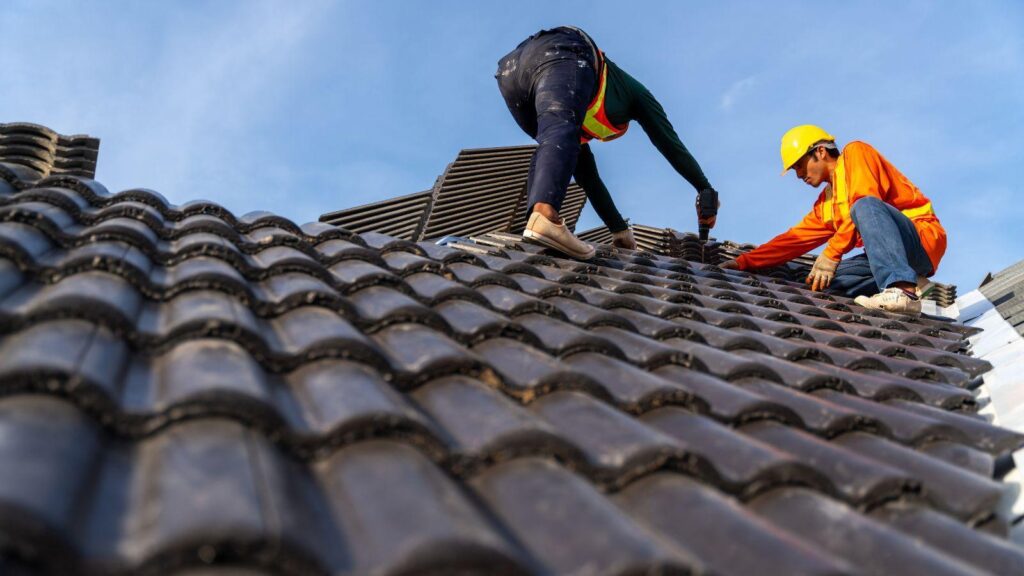
A home represents a significant financial investment. At the core of this investment is the roof, a complex system engineered to shield everything beneath it from unpredictable weather elements. Engaging professional residential roofing services is not merely about addressing an active leak; it is a critical strategy for preventing widespread, hidden structural deterioration over time.
By managing wear and tear early, property owners protect their foundations, wall framing, and interior living spaces from costly environmental damage.
Why Comprehensive Property Protection Matters
Consider a realistic scenario: noticing a faint water stain on an upstairs ceiling after heavy rain. While it might look like a minor cosmetic issue, that stain often signals that water has already bypassed the shingles, saturated the underlayment, and compromised the wooden roof decking. When roofing systems fail, the consequences quickly extend past the attic.
Water intrusion degrades structural wood framing, ruins insulation, and fosters hidden mold inside wall cavities. Comprehensive exterior maintenance recognizes that siding, gutters, windows, and roofing must work in tandem. If one component fails, the entire property becomes vulnerable.
Professional residential roofing services help homeowners maintain this protective envelope, ensuring minor vulnerabilities do not escalate into severe structural issues that diminish property value.
Common Warning Signs Your Roof Requires Attention
Roof deterioration happens both gradually through aging and suddenly through severe weather. Homeowners frequently encounter clear warnings that require professional evaluation. Recognizing these signs early can save thousands of dollars in secondary repairs.
- Missing Shingles: Wind uplift can pull fasteners loose during storms, leaving the underlying deck exposed to rain.
- Aging Materials: As shingles age, they lose protective granules, curl at the edges, or crack due to daily thermal expansion.
- Poor Drainage: Clogged or improperly pitched gutters back up water under the roof edge, rotting the fascia boards.
- Storm Impacts: Hail strikes bruise shingle mats, fracturing the protective fiberglass backing and leading to premature failure.
|
Initial Issue |
Potential Long-Term Risk |
Home Impact |
|
Cracked chimney flashing |
Slow water intrusion into the framing |
Rot and mold risks |
|
Wind-uplifted shingles |
Blown rain penetrates the roof deck |
Fascia board damage |
|
Blocked or pooling gutters |
Water backs up under shingles |
Eave rot, foundation erosion |
|
Unaddressed hail bruises |
Granule loss over several seasons |
Premature system failure |
The Value of Professional Inspections and Early Intervention
Delaying maintenance increases long-term expenses. Minor issues like cracked flashing around a plumbing vent stack can silently cause rot for months before showing visible symptoms inside the living space. This is why regular roof assessments are indispensable for proactive property management.
A thorough physical inspection looks far beyond obvious surface damage to evaluate ventilation performance, valley health, and the integrity of seals around roof penetrations. Storm Guard recommends regular assessments to identify these hidden weak points before they compromise the home interior. When unexpected storms strike, temporary measures like emergency tarping prevent secondary water damage while permanent solutions are determined.
Documenting visible damage immediately after severe weather also ensures property owners have an accurate record of the event, helping them make informed choices about required restoration work.
How System Components Work Together to Extend Lifespan
A roof is an interconnected network of technical components that must function in perfect harmony. Shingles serve as the first line of defense, but their performance depends heavily on structural roof ventilation and robust flashing systems.
Flashing bridges vulnerable gaps where the roof meets walls, chimneys, and valleys, directing rushing water safely into the gutter system. Ventilation regulates attic temperatures and moisture levels. Without balanced airflow, intense heat and humidity are trapped in the attic during the summer months, baking the shingles from beneath and causing them to blister or fail prematurely.
In cold climates, poor ventilation contributes to ice dams, where melting snow refreezes at the cold eaves and forces trapped water backward under the shingles. Professional residential roofing services ensure these individual components operate cohesively, maximizing the system’s operational lifespan while naturally improving the home’s overall energy efficiency.
Choosing Trusted Guidance Over Quick Fixes
Every residential property faces unique environmental challenges based on its local climate, mature tree coverage, and architectural design. Because structural integrity is at stake, relying on experienced roofing professionals is critical for long-term peace of mind. A professional inspection can determine the extent of damage, providing clear options without relying on generalized assumptions.
Repair or replacement decisions depend heavily on the roof’s current age, the scope of physical wear, and overall structural soundness. Storm Guard’s local teams help homeowners understand their roofing and exterior restoration options, prioritizing patient education so families can make informed decisions about protecting their property investment. Many roofing issues can be addressed before they become major problems if caught early.
Protecting Your Property Investment for the Future
Ultimately, maintaining a home requires consistent, proactive attention to the structural components that keep it safe, dry, and secure. By prioritizing regular maintenance, utilizing premium materials, and addressing wear early, you safeguard your family and your financial investment from the unpredictable elements.
To build a stronger understanding of how to care for your home’s exterior features, take time to explore expert resources on property maintenance. Learn more about residential roofing services and how professional inspections preserve property health over the long term.
Frequently Asked Questions
1. What are the earliest signs of hidden roof damage?
Early signs include finding loose shingle granules in gutters, curling shingle edges, or dark streaks on the roof. Inside the home, peeling paint near the ceiling line points to hidden moisture intrusion before a full leak develops.
2. How does poor attic ventilation affect a shingle roof?
Poor ventilation traps heat and moisture. In summer, heat cooks shingles from the bottom up, causing premature cracking. In winter, trapped moisture condenses on the roof deck, leading to mold and contributing to destructive ice dams.
3. Can a roof leak be repaired without replacing the whole roof?
Yes, many issues can be addressed with targeted repairs if the system is healthy. Replacing damaged flashing or swapping wind-damaged shingles can resolve a localized leak perfectly without requiring a full system replacement.
4. What should I do immediately after a severe storm hits my house?
Check your property safely from the ground for missing shingles or detached gutters. Documenting visible damage with photographs creates an accurate record. If you suspect water intrusion, professional emergency tarping can prevent further water entry.
5. Why is water ponding near the roofline dangerous for a home?
Ponding water indicates a drainage failure, often from clogged gutters. When water sits along the roof edge, it can seep beneath the shingles, rotting the wooden fascia boards and exterior walls over time.