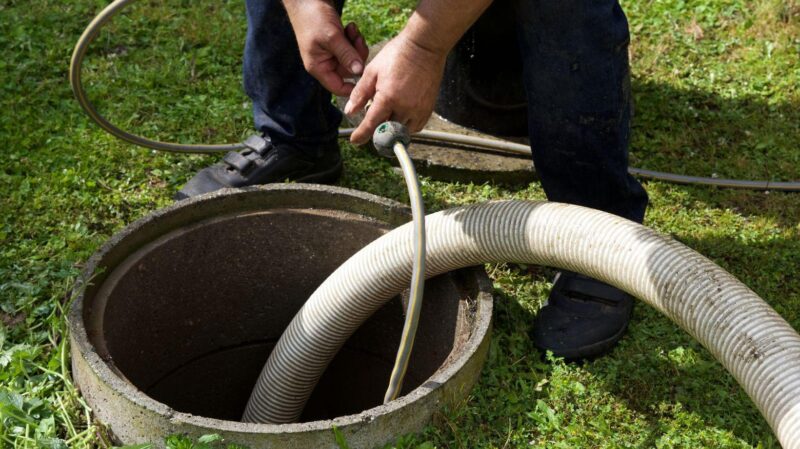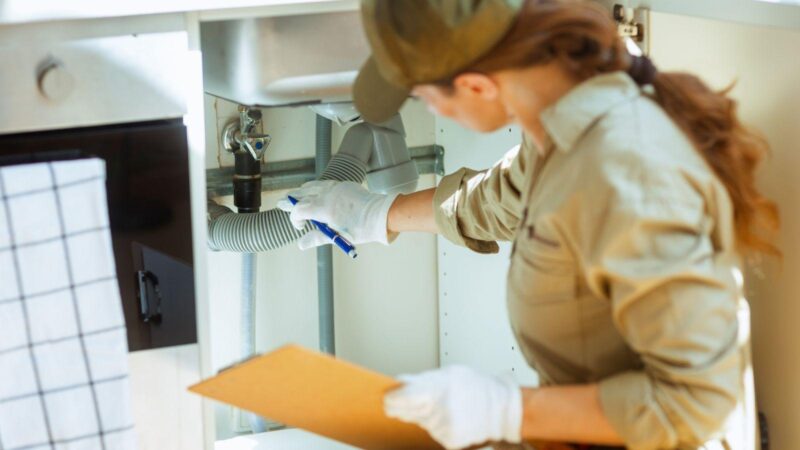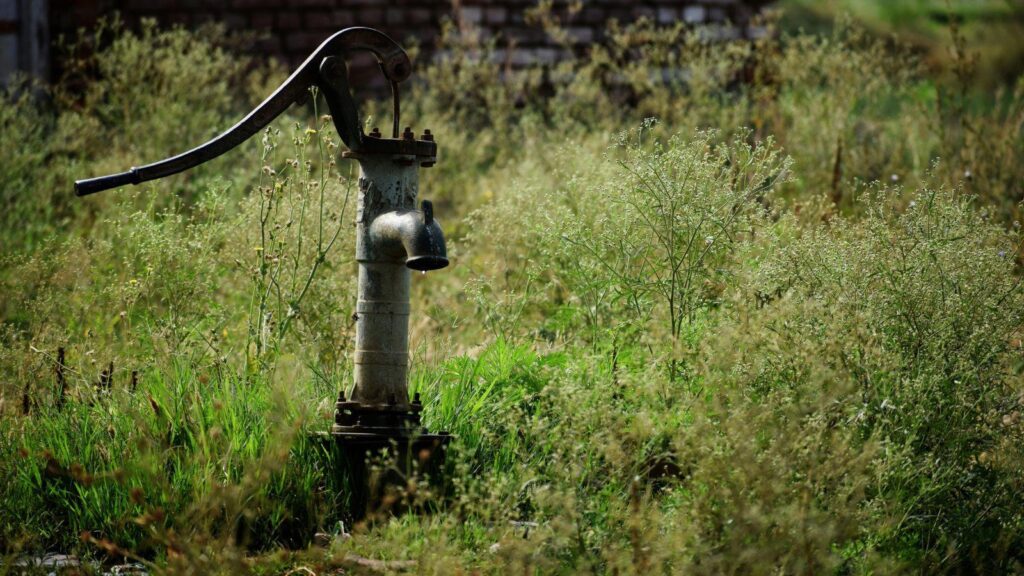
For homeowners on a private water supply, the well pump is one of the least visible and most essential pieces of equipment on the property. It runs every time a tap opens, a washing machine cycles, or a garden sprinkler turns on, and most homeowners only notice it when the water stops. At that point the choice is rarely good: an emergency callout, a compromised water supply, and a bill that would have been much smaller with a scheduled service visit instead.
This article walks through how a modern well pump actually works, what the common failure modes are, and how property owners can protect themselves with a small amount of regular maintenance and the right professional relationship.
How a well pump fits into the home
A typical private water system has four components that work together: the well itself, the pump, a pressure tank, and the household plumbing. The pump draws water from the well, pushes it through the pressure tank, and maintains a consistent pressure so the taps behave predictably. In submersible systems, the pump sits deep in the borehole. In jet pump systems, the pump sits above ground and relies on suction to lift water up the well casing.
Each configuration has its own trade-offs. Submersible pumps are generally more efficient and quieter, but they are also harder to service. Jet pumps are simpler to inspect, but they have a more limited lift capacity and tend to run louder. Knowing which configuration a property uses is the first step toward understanding what maintenance realistically looks like.
What actually fails, and why
Well pumps are robust pieces of equipment, but they are not eternal. A handful of issues account for the majority of service calls.
- Motor burnout, often the end result of a long period of rapid cycling
- Pressure switch failure, which prevents the pump from responding to tap demand
- Pressure tank waterlogging, where the tank’s air charge is lost and the pump starts short-cycling
- Check valve failure, which allows water to drain back into the well and forces the pump to work harder on every start
- Sediment accumulation, which wears impellers and seals over time
- Electrical faults, which can range from corroded connections to a failing capacitor
Most of these failures give warning signs before they stop the system completely. Rapid cycling, unusual noises, dropping water pressure, or air spitting from taps are all symptoms worth acting on rather than ignoring.
Why scheduled service pays off
Emergency pump replacement is one of the most expensive outcomes in home ownership, particularly where the pump is deep in a submersible well. The combined cost of an after-hours callout, a new pump, potential cable or pipe replacement, and the labour of pulling the system out of the well can easily run to many times the cost of routine maintenance.
Regular service changes the economics. A qualified technician checking a system every year or two can spot pressure tank waterlogging before it causes a motor burnout, catch corroded connections before they fail, and replace a pressure switch before it strands the household without water. The difference is rarely dramatic in any single visit, but across a decade of ownership it is substantial.
For properties on private water, establishing a relationship with a reliable well pump service provider early is one of the better decisions a homeowner can make. It turns a category of expense that is often reactive and stressful into one that is planned, predictable, and far easier to budget for.
What owners can check themselves
A few simple checks sit comfortably inside the range of a cautious homeowner and can surface problems before they escalate.
- Listen to the pump’s cycle. A healthy system starts, runs for a reasonable period, and stops cleanly. Short bursts of starting and stopping, sometimes only seconds apart, indicate a problem.
- Check the pressure gauge. Most systems cycle between roughly 30 and 50 psi, or 40 and 60 psi, depending on how they are set. Readings that never reach the top of the range, or that fluctuate wildly, are worth noting.
- Watch for air in the taps. A well-behaved system should deliver water smoothly. Air mixed with the flow suggests either a leak above the water table or a failing check valve.
- Inspect the visible wiring and pressure tank. Corroded terminals, damp patches, or unusual vibration are all worth flagging.
- Keep a simple log. Date, symptom, and outcome recorded in a file helps both the owner and the technician spot patterns over time.
None of these replace professional service, but they make the professional visit far more productive when it happens.
Water quality as a parallel concern
Private water supplies vary enormously in quality, even across short distances. Sediment, iron, manganese, hardness, and biological contamination are all realistic concerns depending on geology, surface drainage, and the condition of the well itself. These factors do not just affect drinkability; they also affect the pump.
High sediment content wears pump components. High mineral content can encrust internal surfaces. Biological growth can foul screens and check valves. A homeowner who tests the water periodically and adjusts filtration accordingly is also, indirectly, extending the life of the pump.
Many reputable service providers offer water testing alongside pump maintenance. Treating the two as a combined annual visit usually costs less than handling them separately.
The international picture
Although private water supply is most visible in rural North America, it is also common across parts of the United Kingdom, Ireland, Australia, New Zealand, and much of continental Europe. Regulatory frameworks differ, but the engineering fundamentals are almost identical: a pump in a well, a pressure tank, and a control system that keeps the household supplied on demand. The practical maintenance lessons travel well across these markets.
A consequence is that homeowners researching the topic can draw on a richer international pool of guidance than they might initially expect. Manufacturers publish maintenance recommendations globally, and the failure modes reported in service data are consistent across continents. That makes it easier to build a confident picture of what good maintenance looks like.
A practical conclusion
The well pump is a piece of equipment that quietly runs the household’s water supply and generally only gets attention when it stops. Flipping that pattern, by investing in a small amount of regular inspection and a relationship with a competent local service provider, turns a stressful emergency into a predictable line item. For property owners on private water, that shift is one of the most valuable maintenance habits to build early.