Here’s something that drives every property manager crazy: you have a beautiful vacant unit, great location, fresh paint, good natural light. You list it with professional photos. And it sits. Weeks go by. The photos show an empty box, and people scrolling through listings can’t connect with an empty box. They scroll right past it.
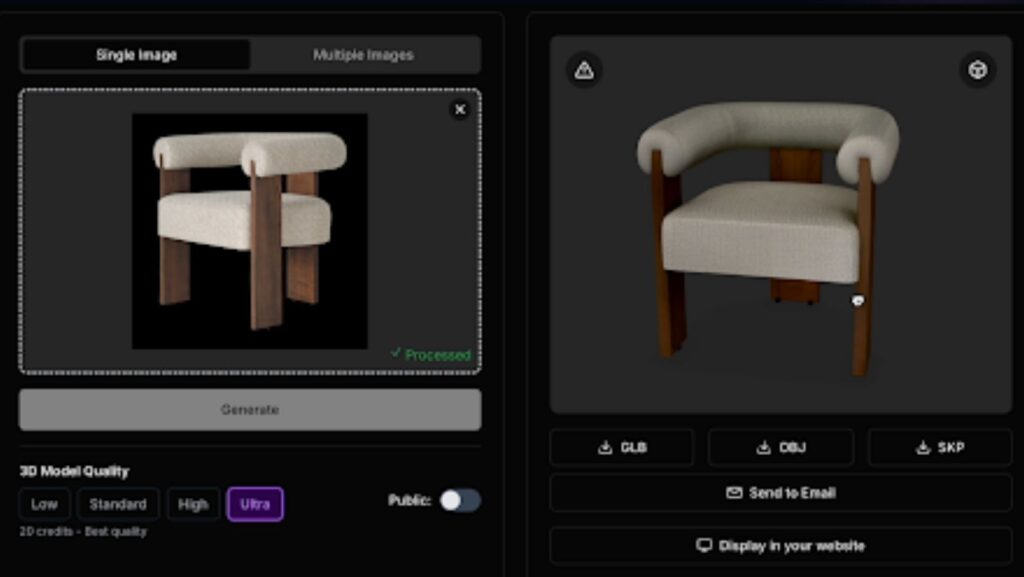
Staging solves this. Everyone knows staging works. But staging also costs a fortune, takes forever to coordinate, and introduces a dozen logistical headaches you didn’t need. That’s why more property professionals are quietly switching to a different approach, tools that convert furniture from photo to 3d model and let you stage properties digitally with 3D objects instead of rented couches.
It’s not theoretical anymore. People are actually doing this, and the numbers make a lot of sense.
The Real Cost of Physical Staging
Let me lay it out. A mid-range staging package runs $2,500 to $5,000 for the initial setup. That covers furniture rental, delivery, arrangement, and pickup. If the property doesn’t sell or lease within the rental period, you’re paying $500 to $1,000 per month to keep the stuff there. I’ve seen staging bills hit $8,000 on properties that took three months to move.
And that’s for one unit.
If you’re managing a portfolio of 20, 50, 100+ units, physical staging at scale is basically impossible. You’d need a warehouse of furniture and a full-time logistics team. Most managers just leave units empty and accept the longer vacancy times as a cost of doing business.
But vacancy costs money too. Every empty month is a month of lost rent. On a $2,000/month unit, that’s $2,000 down the drain. Multiply that across multiple vacancies and it adds up faster than the staging would have cost. Modern property management solutions try to minimize these gaps, but presentation remains a huge factor in how fast a unit moves.
Virtual Staging Was a Start. 3D Is the Upgrade.
Virtual staging has been around for a while. You take a photo of an empty room, a designer photoshops some furniture into it, and you use the edited image in your listing. It’s cheap, usually $100 to $300 per room, and it’s better than empty photos.
But it has a problem. The images look flat. Sometimes obviously fake. And you only get one angle. If a prospective tenant wants to see the living room from the kitchen, too bad. You’ve got one doctored photo and that’s it.
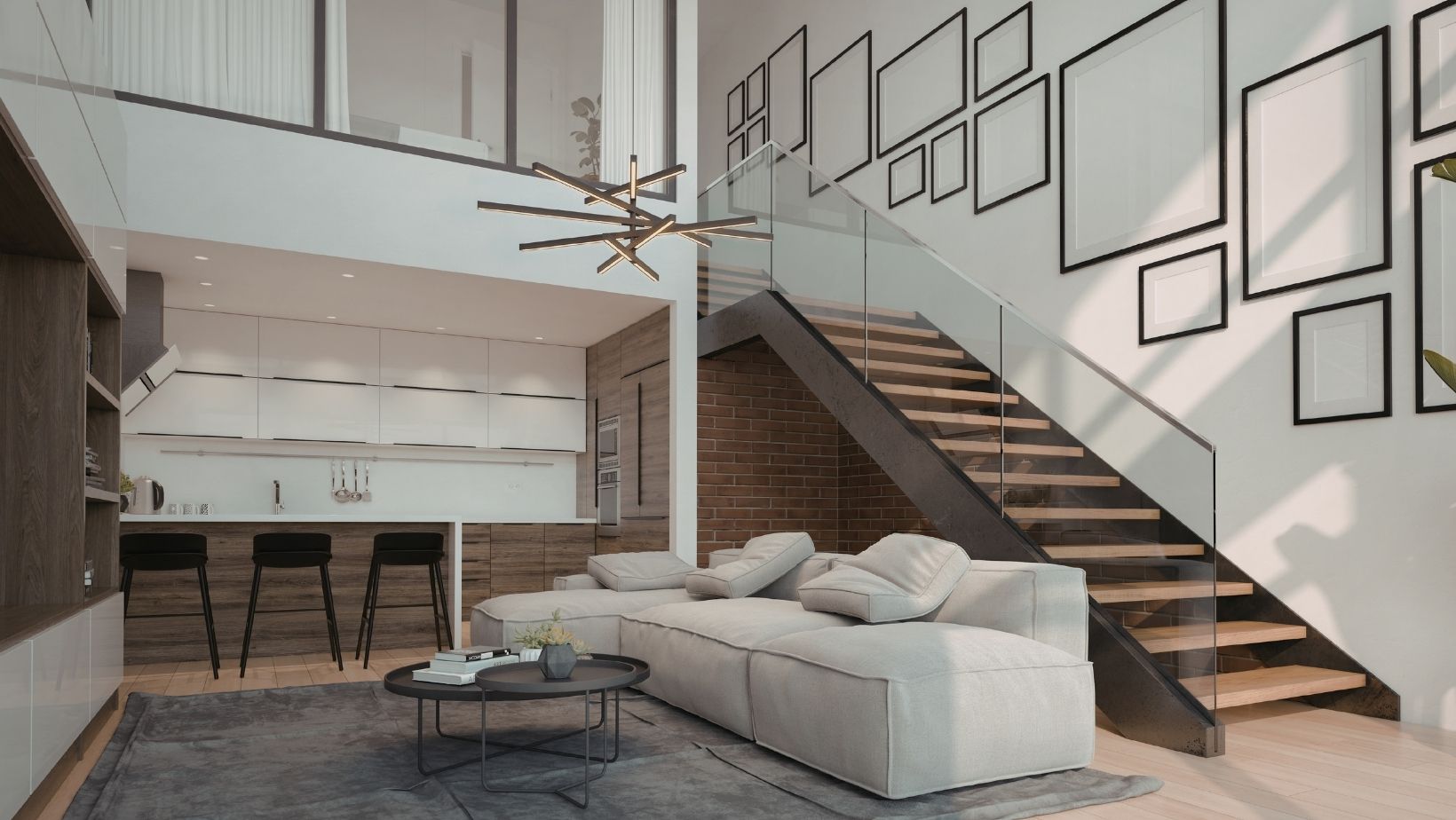
3D furniture models are different. They exist as actual objects in a virtual space. You can rotate them, view them from any direction, rearrange them. It’s closer to walking through a staged apartment than looking at a touched-up photograph.
Where This Gets Practical
I’ve been talking to property managers who use this, and the use cases go beyond just sticking a virtual couch in a photo.
Renovation decisions. Before you rip out a kitchen and spend $15,000 on a remodel, wouldn’t it be nice to see what new cabinets and a different table layout would look like? One manager told me he planned his entire renovation digitally before touching a single wall. Saved him from a layout change that would’ve cost an extra $4,000 to undo.
Remote leasing. Post-pandemic, a huge chunk of leasing happens sight-unseen. People relocating for work don’t fly in to tour apartments. They look at photos and make a decision. A 3D-staged unit with interactive viewing converts those remote prospects way better than empty room shots.
Multiple audience targeting. Same apartment, different staging. Show it as a home office setup for remote workers. Restage it as a family space with a play area. Then do a sleek bachelor pad version. All digital, all from the same empty unit. Try doing that with physical furniture.
Tenant retention. This one surprised me. A few managers are letting incoming tenants preview how their own furniture would fit before move-in day. It reduces the “oh no, my stuff doesn’t fit” panic that sometimes leads to early lease breaks.
The Math Just Works
Here’s the comparison that convinced me. Physical staging for 10 units: $25,000 to $50,000 annually, plus ongoing rental costs. Virtual 3D staging for 10 units: a fraction of that, reusable across units, updatable instantly, no delivery trucks, no damage risk.
And the speed advantage is real. A physically staged unit takes days to set up. A digitally staged one takes hours. When you’re trying to maximize property value and minimize vacancy days, that turnaround time matters.
The market is heading this direction regardless. High-quality visuals are becoming table stakes in property listings. Empty room photos are starting to feel like a property that nobody cared enough to present properly. Fair or not, that’s the perception.
What to Actually Look For
Not all tools are equal here. A few things I’d check before committing to anything.
Does it handle proportions accurately? A sofa that looks 20% bigger than reality defeats the entire purpose. You need dimensional accuracy or the whole thing backfires when tenants show up with their actual furniture.
Is it fast? If generating one 3D model takes half a day, it won’t fit into a professional workflow. The good tools do it in minutes.
Can you export the models into different formats? You might need them for a virtual tour, a PDF presentation, or a website embed. Flexibility matters.
And is it built for furniture specifically? Generic 3D modeling software is powerful but complicated. Furniture-focused platforms handle the specific textures, materials, and shapes that matter for interiors without the steep learning curve.
Where This Goes From Here
I don’t think physical staging disappears entirely. For luxury properties and high-stakes open houses, there’s still something about walking into a beautifully furnished room that photos can’t replicate. But for the majority of property management, the daily grind of filling units and keeping vacancies low, 3D visualization is already the smarter play.
The tools keep getting better, the costs keep dropping, and the results keep improving. If you haven’t looked into this yet, you’re probably spending more on staging than you need to. Or worse, you’re not staging at all and losing money on extended vacancies.
Either way, it’s worth a serious look.