Pitched roof windows have quietly shifted from “nice-to-have” architectural detail to a practical upgrade many homeowners actively plan for. If you’ve noticed more loft conversions, brighter attic bedrooms, or home offices tucked under the eaves in your area, you’re seeing the broader trend: people are trying to make existing space work harder, not necessarily move.
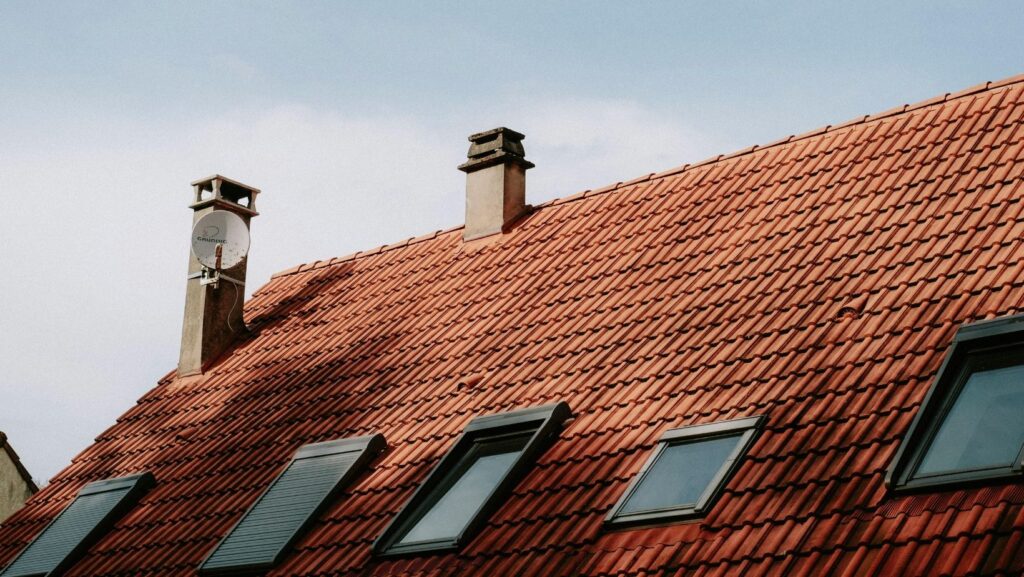
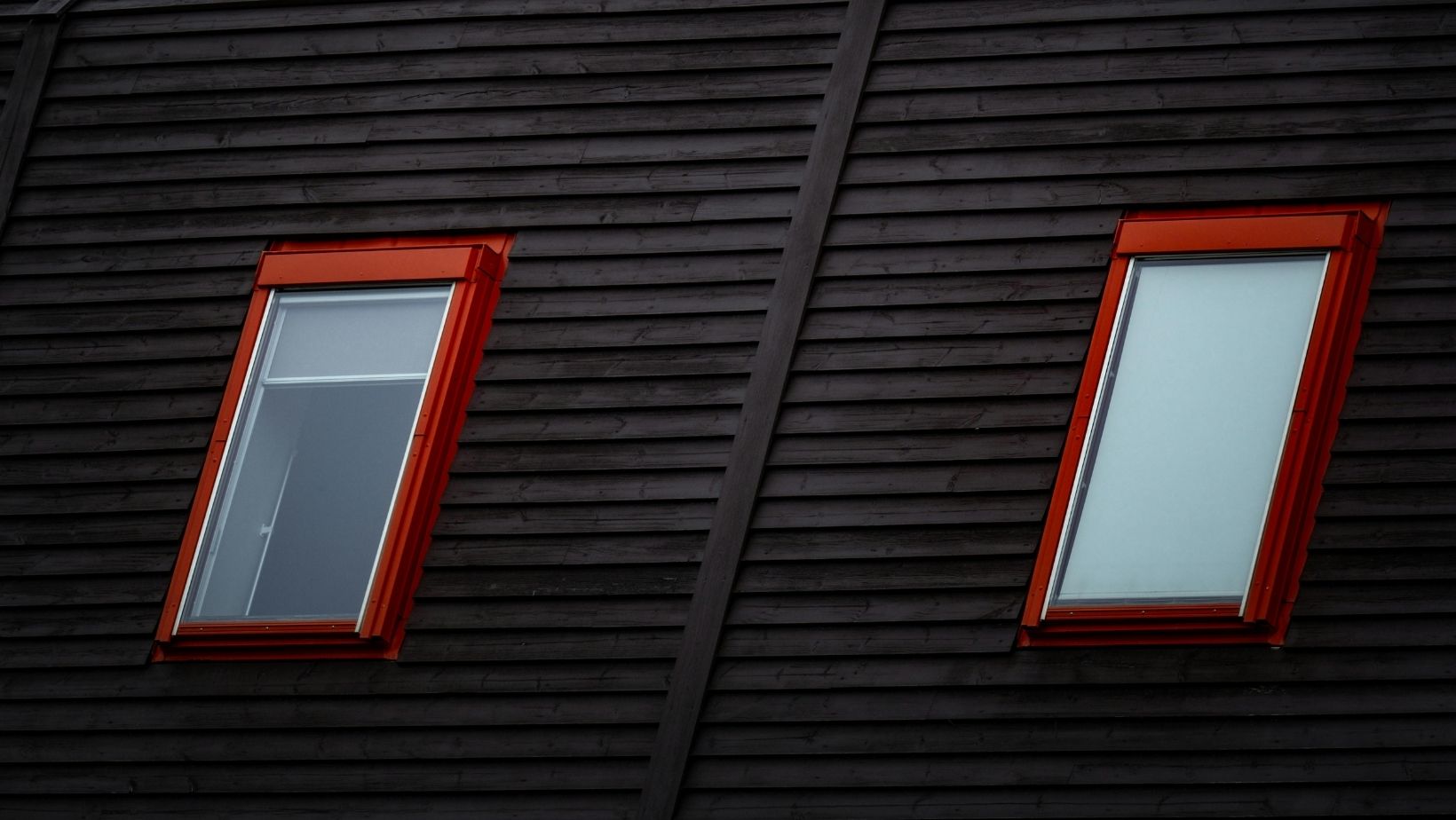
And when you’re working with a sloping roof, a vertical window often can’t do the job. A pitched roof window, positioned on the roof plane, brings daylight and fresh air right into the heart of the room—often transforming a space that used to feel like a storage void into somewhere you actually want to spend time.
The Shift: Renovate Smarter, Not Bigger
Rising moving costs, limited housing stock, and the popularity of home working have all pushed homeowners toward improving what they already own. But there’s a key design challenge in lofts and top-floor rooms: they can feel dark, cramped, and stuffy even when the floor area is generous.
Pitched roof windows solve that problem in a way that’s both structural and psychological. You’re not just “adding a window”—you’re changing how the room behaves throughout the day.
Daylight where it matters most
Because of the angle and position, roof windows typically capture more sky than an equivalent vertical window. That’s especially noticeable in terraces or homes with neighbouring buildings that limit side light. The result is a room that feels calmer and more usable, particularly for:
- home offices where eye strain and screen glare matter,
- bedrooms where morning light helps regulate sleep patterns,
- bathrooms where you want brightness without sacrificing privacy.
Better ventilation in heat-prone spaces
Top floors and loft rooms trap warm air. A roof window placed high on the slope makes it easier for hot air to escape (stack effect), which can be a game-changer during warmer months. Even in winter, controlled ventilation reduces condensation—one of the most common issues in under-roof rooms.
Why Pitched Roof Windows Are a Design Upgrade, Not Just a Practical One
There’s also a simple aesthetic truth: light from above looks different. It tends to be more even, less directional, and it changes the mood of the space hour by hour. Designers often use roof windows to “pull” daylight deeper into the floorplan, making smaller lofts feel open and contemporary.
A more flexible layout
In many loft conversions, the knee wall height limits furniture placement along the edges. Introducing a pitched roof window can influence the entire layout—where the desk goes, how you position the bed, even how you design built-in storage.
If you’re at the research stage and want to compare styles, sizes, and configurations, it helps to look at real product options and not just inspiration photos. You can see the full range of pitched roof windows to understand what’s available across different opening types and use cases.
That kind of reference is also useful when talking to an architect or installer, because it anchors the conversation in specifics: ventilation needs, access height, and how the window will be used day to day.
Performance Matters: Energy Efficiency and Comfort
Modern roof windows aren’t the leaky, condensation-prone units some people still picture from older properties. Today’s specifications are focused on insulation, airtightness, and long-term durability.
Glazing and heat loss (and gain)
Double or triple glazing, low‑emissivity coatings, and warm-edge spacers have significantly improved thermal performance. The real-world impact is straightforward:
- In winter, better glazing reduces draughts and keeps the top floor from feeling “cold at the ceiling.”
- In summer, solar gain can be managed with glazing choices and shading—important if the roof plane faces south or west.
If overheating is a concern (and in many UK homes it is now a real design consideration), it’s worth discussing solar control glass or external blinds early. Retrofitting shading later is possible, but planning for it is usually neater and more cost-effective.
Condensation control and indoor air quality
Condensation is typically a ventilation issue first, insulation issue second. Roof windows help because they’re naturally positioned where humid air collects. In bathrooms or loft bedrooms, that can reduce mould risk—particularly when paired with extractor fans and sensible heating patterns.
What to Consider Before You Commit
Choosing a pitched roof window isn’t complicated, but it is worth making a few key decisions upfront. Here’s the short list I’d use if I were advising a friend mid-renovation:
- Opening type: centre-pivot vs. top-hung (think about your sightlines when seated, and ease of cleaning).
- Placement and height: can you reach it comfortably, and will furniture block access?
- Orientation: south/west-facing roofs may need heat management; north-facing tends to give softer, consistent light.
- Privacy: roof windows are often private by default, but overlooking from higher neighbouring properties can happen.
- Maintenance access: consider how you’ll clean the exterior pane and whether the window design helps.
- Compliance and safety: loft rooms used as bedrooms may have requirements around egress and habitable-room standards.
That’s also where a good installer earns their keep—flashing kits, roof pitch compatibility, and correct integration with insulation layers make the difference between a window that performs for decades and one that causes headaches.
Installation: Where Most Problems (and Wins) Happen
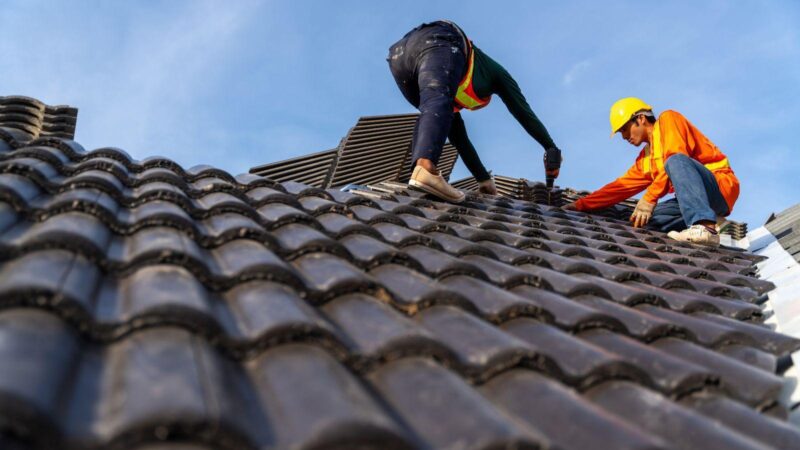
Most roof window issues aren’t product failures; they’re installation failures. A properly fitted unit should integrate cleanly with the roof covering, underfelt, battens, and internal vapour control layers.
Flashings and weatherproofing are non-negotiable
The flashing kit isn’t an accessory—it’s the system that routes water safely around the opening. Using the correct flashing for the roof material (tile, slate, etc.) and pitch range is essential. Cutting corners here is how you end up with slow, invisible leaks that show up months later as staining or warped plasterboard.
Don’t forget the internal finish
The internal reveal (the plastered sides of the opening) affects how light spreads into the room. A deeper, poorly shaped reveal can reduce the daylight benefit. Many contractors now angle the reveals to broaden light distribution—small detail, noticeable effect.
The Bigger Picture: A Home That Feels Better to Live In
So why are more homeowners choosing pitched roof windows? Because they’re one of the few upgrades that improve a home on multiple fronts at once: comfort, usability, and design quality.
They make loft rooms feel intentional, not improvised. They tackle the top-floor heat problem with natural ventilation. They bring daylight into spaces that would otherwise rely on artificial lighting for half the day. And, when specified and installed properly, they do it with solid thermal performance and minimal maintenance.
If you’re renovating a loft, adding a top-floor extension, or simply trying to make a dark upper room more liveable, a pitched roof window isn’t just a “window choice.” It’s a decision about how you want the space to feel—morning, afternoon, and everything in between.