It’s easy to assume your drains are “fine” as long as water eventually disappears down the plughole. But drainage problems rarely start with a dramatic flood. They build quietly—one slow sink, one gurgle, one odd smell—until a small issue turns into an expensive disruption.
In Essex, there are a few local factors that make those early warning signs worth taking seriously: heavy downpours that overwhelm surface water systems, periods of drought that shift ground conditions, and a mix of older Victorian pipework alongside newer developments tied into complex shared networks. If you know what to look for, you can often catch trouble early—before it becomes a full-on blockage or, worse, a sewage back-up.
The subtle signs most people ignore (but shouldn’t)
Slow drainage that “comes and goes”
A basin that drains slowly for a week, then seems to improve, is often misread as a one-off. In reality, intermittent slow drainage usually means a partial restriction—fat build-up in the kitchen line, hair and soap scum in the bathroom, or silt and debris in an outside run.
The “it fixed itself” moment can simply be the blockage shifting position. That’s not a win; it’s a warning.
Gurgling, bubbling, or strange noises
Drains should be quiet. When you hear gurgling after a flush or bubbling in the sink while the washing machine empties, it typically points to air being pulled through water traps because the pipe isn’t venting properly—or because water is struggling past a restriction.
Pay attention to timing:
- Noise after heavy water use often suggests a developing blockage.
- Noise at random times can hint at a venting issue or shared line behaviour (especially in terraced or semi-detached homes).
Bad smells that return even after cleaning
If you’ve scrubbed the plughole, flushed hot water down, and the smell still creeps back, don’t assume it’s just “drain odour.” Persistent smells can come from:
- Build-up inside the pipe (food waste, grease, biofilm)
- A dried-out trap in a little-used bathroom
- A cracked pipe or leaking joint under floors or outside
- A partially blocked soil line allowing gases to linger
Odours are often the first symptom because gases find the smallest gaps and weak points before water does.
Outdoor warning signs: where Essex homes often get caught out
Overflowing gullies and “mystery puddles”
If an outside gully overflows during washing machine discharge or after rain, something isn’t moving through the system as it should. Essex properties with older clay pipes or shared drainage runs can be particularly vulnerable here—tree roots, silt, and misaligned joints are common culprits.
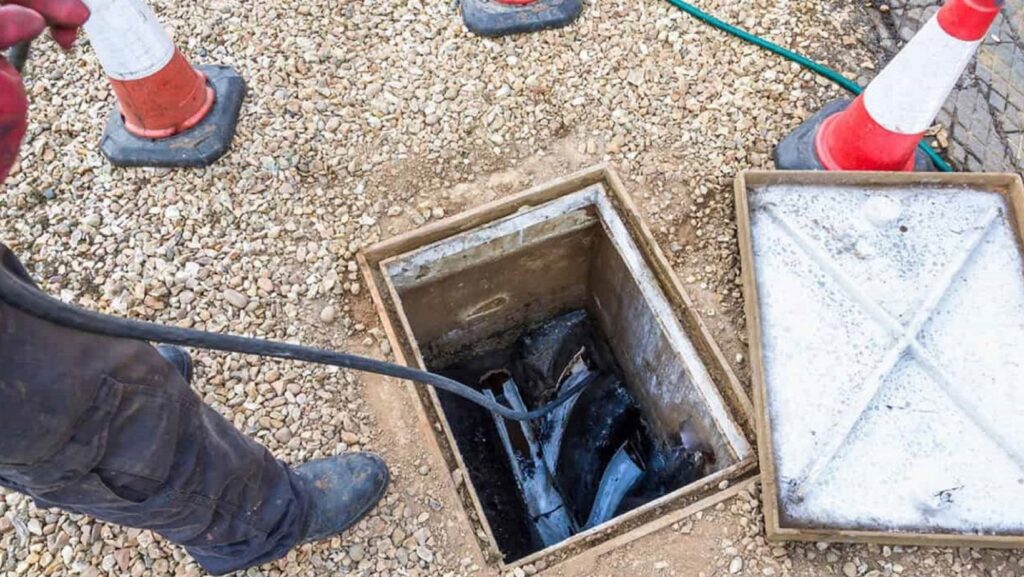
Also watch for puddles that appear in dry weather. Standing water near a manhole cover or along a garden path can indicate a slow leak or a blockage forcing water to the surface.
Manholes that are higher than the surrounding ground (or smell worse than usual)
A manhole that suddenly becomes “active” (strong smells, visible water sitting high in the channel) is a classic early indicator. If you can safely lift a cover and see the flow is sluggish or backed up, that’s useful information to act on quickly. If you’re not confident doing that, don’t force it—heavy covers and confined spaces aren’t worth the risk.
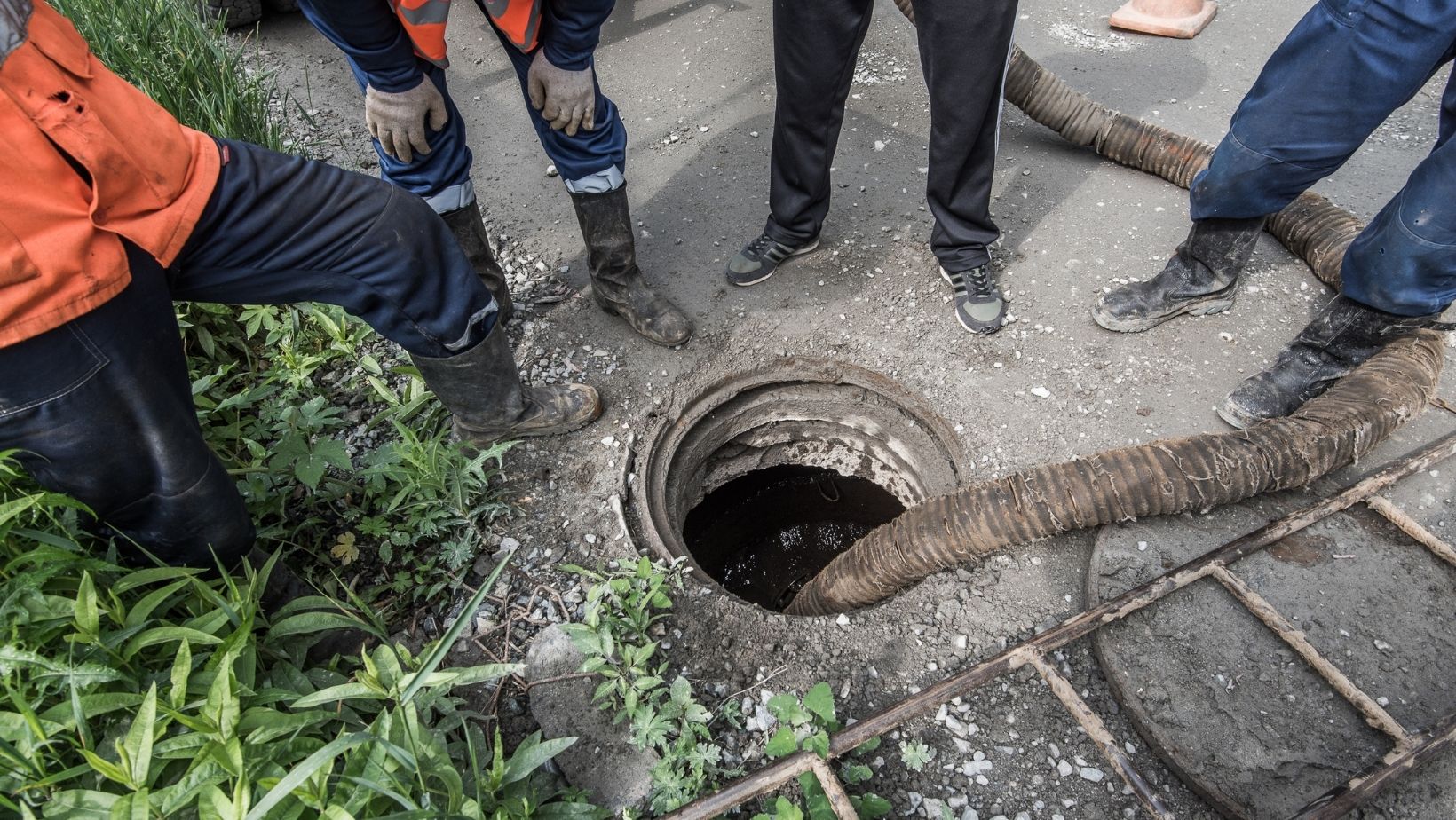
Around the point many homeowners start Googling quick fixes, it’s worth reading practical guidance on clearing blocked household drains in Essex—particularly if you’re trying to work out whether you’re dealing with a simple local blockage or something affecting the wider run.
The “Essex factor”: why local conditions matter
Clay soil, shifting ground, and older pipework
Parts of Essex have clay-heavy soil. Clay expands when wet and shrinks when dry, which can place repeated stress on underground pipes. Over time, that movement can contribute to:
- Hairline cracks that let in silt
- Slight misalignments at joints
- Root ingress where trees seek moisture
You might not notice anything for months, then one intense downpour or a busy holiday weekend tips the system over the edge.
Surface water overload after intense rainfall
Drainage isn’t only about what goes down your sink. When surface water systems are overwhelmed, gullies and connected lines can struggle. If your home is at the lower end of a slope—or you’re near older infrastructure—it can be more noticeable.
If slow drainage correlates with heavy rain, don’t dismiss it as coincidence. It can be a clue about capacity issues or a partial obstruction further along the run.
Quick self-checks before you reach for harsh chemicals
You don’t need a van full of tools to do some sensible triage. A few observations can tell you whether the problem is local (one fixture) or systemic (multiple fixtures).
Here’s the one simple checklist worth doing:
- Test multiple outlets: If the kitchen sink is slow but the bath is fine, the issue is likely on that branch. If everything is slow, suspect the main line.
- Listen during discharge: Run a tap, flush, and drain a full basin. New gurgling suggests air displacement from restriction.
- Smell the right places: Under-sink cupboards, near external gullies, and around downstairs toilets can reveal where the issue is strongest.
- Watch outside during appliance use: If the gully rises when the washing machine empties, there’s likely a restriction downstream.
Avoid “miracle” chemical drain cleaners as a default. They can generate heat, damage older pipe materials, and sometimes harden certain blockages into something worse. If you do use anything, treat it as a last resort—and never mix products.
When it’s more than a nuisance: signs you should act fast
Repeated blockages in the same place
If you’re clearing the same sink every few weeks, you’re not solving the cause—you’re temporarily pushing back symptoms. Recurring issues often point to grease build-up, a sagging pipe (creating a “belly” where debris collects), or root ingress outside.
Toilet flushing issues and rising water levels
A toilet that flushes sluggishly, or water that rises before draining away, can indicate a restriction in the soil line. If you also notice bubbling in nearby sinks, take it seriously. That combination can precede a back-up.
Damp patches, mould, or unexplained smells
Not all drainage problems announce themselves with water on the floor. A slow leak from a compromised pipe joint can create damp over time—especially under kitchen units or along a downstairs wall. If mould appears in a spot that doesn’t make sense, consider what’s running behind it.
Keeping drains “fine” long-term (without obsessing)
You don’t need to baby your plumbing. A few habits make a disproportionate difference:
- Treat fats, oils, and grease as solid waste: Let them cool and bin them rather than washing them down.
- Use sink strainers and hair traps: Unexciting, but highly effective.
- Flush hot water routinely (not boiling): Helps reduce build-up, especially in kitchen lines.
- Be mindful of “flushable” products: Many aren’t truly drain-friendly, particularly in older systems.
Most importantly, trust patterns. A single slow drain can be a one-off. A repeating smell, a gurgle that’s new, or multiple fixtures acting up at once? That’s your house telling you something has changed.
Catching a developing issue early is usually cheaper, cleaner, and far less stressful than dealing with the day it stops being “fine.”