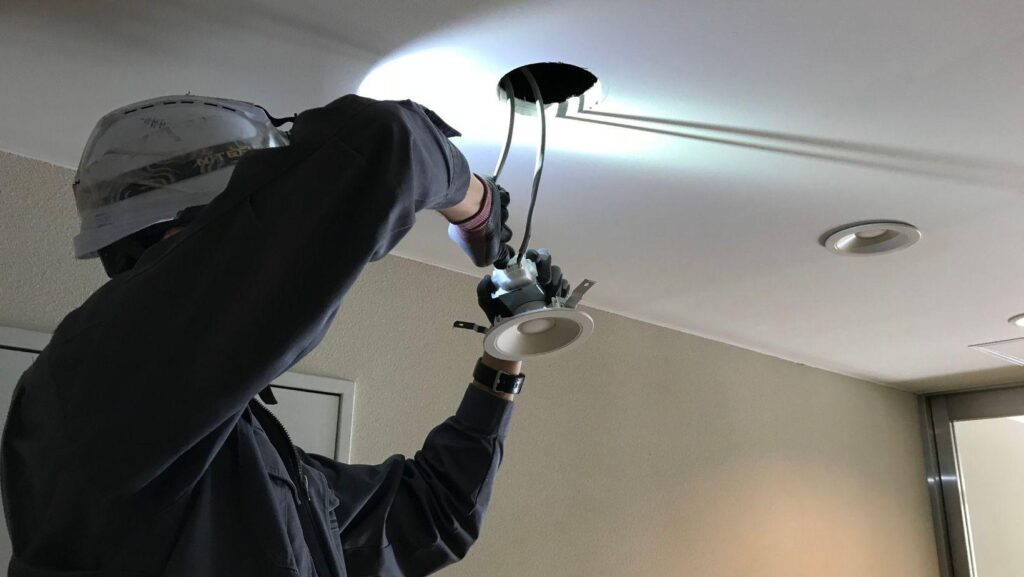
Older homes often have charm, character, and unique architectural details that many homeowners love. However, aging electrical systems can create serious safety concerns if they are not properly maintained or updated. Many older homes were built before modern electrical demands existed, meaning the wiring and electrical panels may struggle to support today’s appliances, electronics, and technology. Understanding the most common electrical problems in older homes can help homeowners recognize warning signs early and protect both their property and their family.
One of the most common issues in older homes is outdated wiring. Homes built decades ago often contain aluminum wiring or knob-and-tube wiring, which may no longer meet modern safety standards. Over time, wiring can deteriorate, loosen, or become damaged, increasing the risk of electrical fires. If lights flicker, outlets feel warm, or breakers trip frequently, outdated wiring may be the cause.
Another common problem is overloaded circuits. Older homes were not designed to handle the number of electronics and appliances used in modern households. Between televisions, computers, kitchen appliances, charging stations, and HVAC systems, many electrical systems are placed under heavy strain. When circuits become overloaded, homeowners may notice breakers tripping repeatedly or lights dimming when appliances are running. Ignoring these signs can increase the risk of overheating and electrical damage.
Insufficient outlets are another issue frequently found in older homes. Many older properties were built with very few outlets per room because homeowners simply did not use as many electrical devices at the time. As a result, modern families often rely heavily on extension cords and power strips, which can create additional safety hazards if overused. Adding properly installed outlets can improve both convenience and electrical safety.
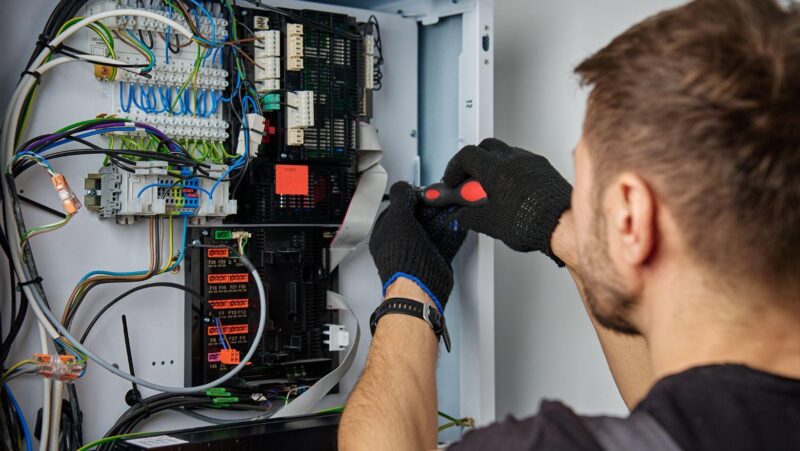
Outdated electrical panels can also cause significant problems. Older panels may not provide enough power for modern electrical demands, and some outdated brands have known safety concerns. Warning signs of panel problems include burning smells, buzzing noises, rust, or breakers that constantly trip. In some cases, upgrading the electrical panel may be necessary to improve safety and efficiency throughout the home.
Ungrounded outlets are another common issue in older homes. Two-prong outlets may not provide proper grounding protection, which increases the risk of electrical shock and damage to sensitive electronics. Modern grounded outlets help improve safety and protect devices from electrical surges.
Faulty or aging light switches can also signal electrical problems. If switches spark, make crackling sounds, or feel warm to the touch, they may have loose wiring or failing internal components. These issues should never be ignored, as they can become fire hazards if left unaddressed.
Homeowners should also watch for warning signs such as burning odors, buzzing sounds, or discolored outlets. These are often indicators of hidden electrical issues that require immediate professional attention. Electrical problems rarely fix themselves and may worsen over time if ignored.
Professional inspections are especially important for older homes because many electrical issues are hidden behind walls or inside outdated systems. Professionals like Ravinia Plumbing, Sewer, Heating & Electric can help homeowners identify electrical hazards, recommend upgrades, and ensure systems operate safely and efficiently.
Keeping an older home safe and functional often starts with maintaining the electrical system. By addressing problems early, homeowners can preserve the character of their home while improving safety, reliability, and peace of mind.