While water is one of the most essential resources, it’s often taken for granted by many households. With rising utility costs and increasing environmental concerns, improving water efficiency at home isn’t just a smart financial decision; it’s also a responsible one. Fortunately, you don’t need a complete overhaul to make a meaningful difference. Small, consistent changes can significantly reduce water while maintaining comfort and convenience.
Fix Leaks Before They Escalate
One of the simplest yet most impactful steps you can take is addressing leaks promptly. A leak in the bathroom or a slow-draining sink might seem harmless, but over time, they can significantly waste gallons of precious water.
Regularly inspect your sinks, showers, and pipes for any signs of leakage. Even hidden leaks, such as those behind walls or under floors, can increase water bills and cause property damage.
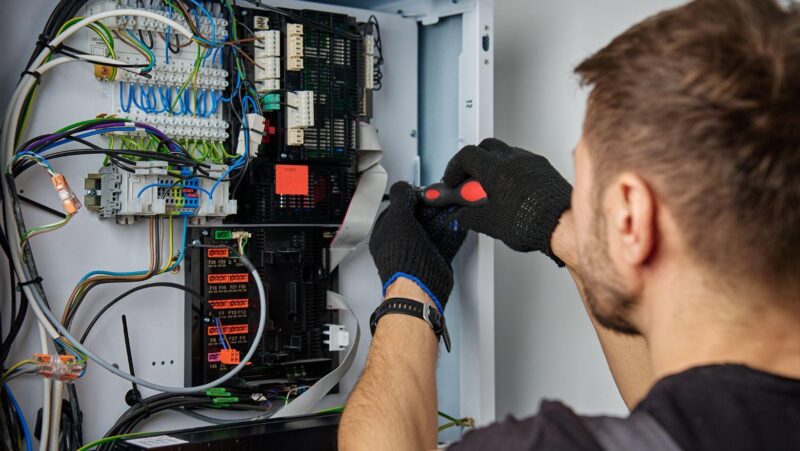
If you notice persistent issues or suspect a hidden problem, it’s wise to consult professionals. In many cases, relying on residential plumbing services can help detect and fix inefficiencies that aren’t immediately visible, ensuring your home operates at optimal efficiency.
Upgrade to Water-Efficient Fixtures
Modern fixtures are designed to improve water conservation. Switching to low-flow showerheads, faucets, and dual-flush toilets can dramatically reduce water usage without compromising performance. These upgrades are relatively affordable and easy to install, making them a practical option for homeowners looking to improve efficiency quickly.
Look for fixtures labeled as water-efficient or certified by recognized standards. These products are specifically engineered to maintain strong water pressure while using significantly less water.
Be Mindful of Daily Habits
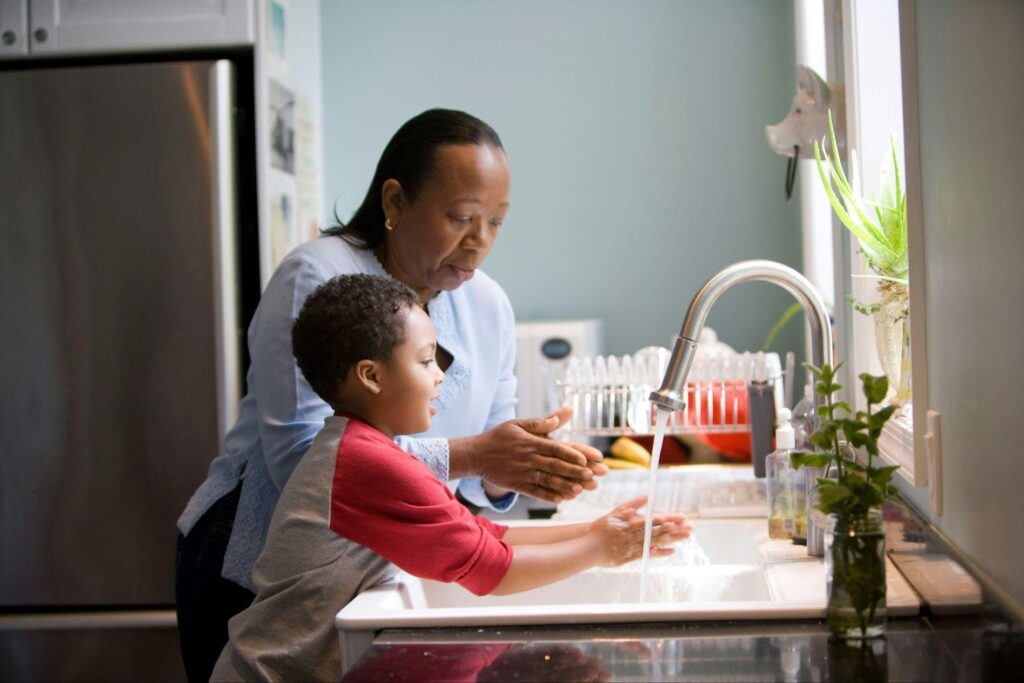
Oftentimes, improving water efficiency is as simple as changing everyday habits. Ensuring the faucet is off while brushing your teeth, not taking long or unnecessary showers, and only running the dishwasher or washing machine with full loads can make a noticeable difference over time.
Also, instead of using a hose to clean driveways, opt for a broom instead. Small behavioral adjustments, when practiced consistently, can lead to substantial water savings.
Optimize Outdoor Water Use
Outdoor water use can account for a large portion of a household’s consumption, especially in homes with gardens or lawns. Watering plants early in the morning or late in the evening helps reduce evaporation, ensuring more water reaches the roots.
Installing drip irrigation systems or soaker hoses can also improve efficiency by delivering water directly where it’s needed. Choosing drought-resistant plants and native landscaping further reduces the need for frequent watering, creating a more sustainable outdoor space.
Maintain Appliances and Systems
Household appliances like washing machines and dishwashers play a significant role in water usage. Older models tend to consume more water than newer, energy-efficient versions. If possible, consider upgrading to appliances designed to minimize both water and energy consumption.
Regular maintenance is equally important. Cleaning filters, checking hoses, and ensuring proper operation can prevent unnecessary water waste and extend the lifespan of your appliances.
Collect and Reuse Water
Another practical approach is to reuse water whenever possible. For example, collecting rainwater in barrels can provide a free and sustainable source for watering plants or cleaning outdoor areas.
You can also repurpose leftover water from washing fruits and vegetables for your garden. These simple practices not only reduce water consumption but also promote a more resourceful and eco-friendly lifestyle.
Endnote
Improving water efficiency at home doesn’t require drastic changes or major investments. By fixing leaks, upgrading fixtures, adjusting daily habits, and maintaining your systems, you can significantly reduce water waste while lowering your utility bills. Over time, these small efforts add up, benefiting both your household and the environment.
Taking a proactive approach ensures your home remains efficient, sustainable, and cost-effective for years to come.