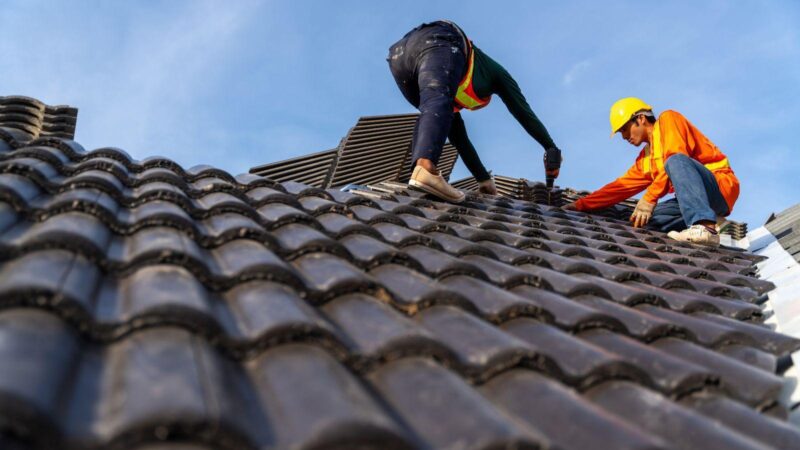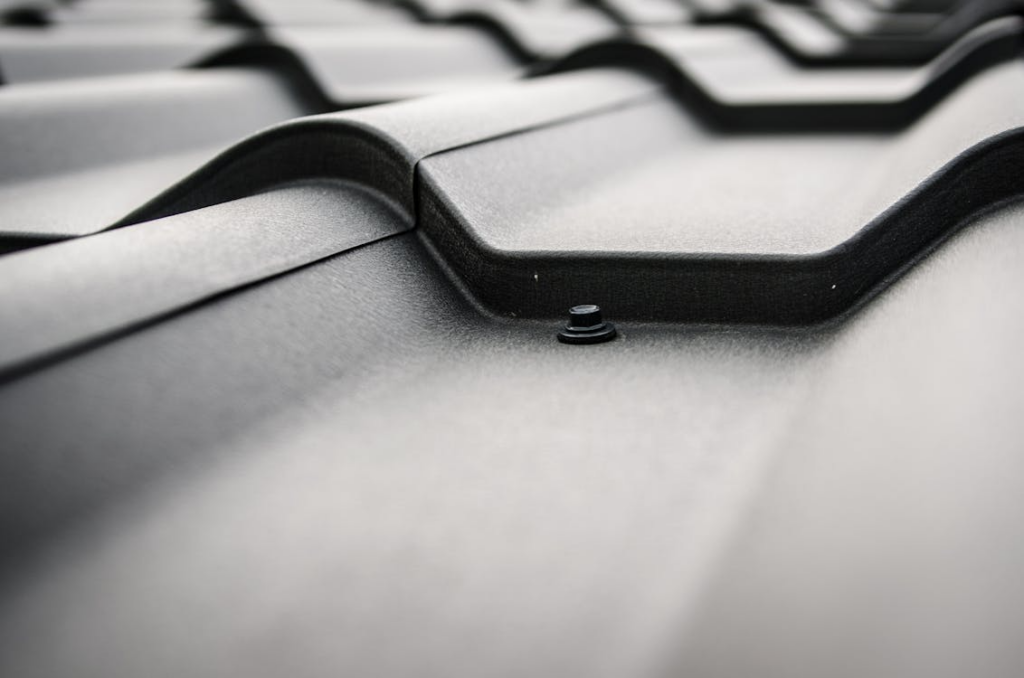
Florida roofs take constant stress. Sun bakes materials, humidity keeps them swollen, and storms dump rain hard and fast. Wind often drives that water sideways, so small gaps become active leaks.
The drip you see is rarely the entry point; water can travel along the decking before it shows up inside. In this guide, we’ll cover six common causes of roof leaks in Florida homes.
- Storm damage that loosens the roof system
Florida storms are hard on roofs, even when the damage does not look dramatic from the street. Wind can lift shingles, shift flashing, and break seals around vents or edges. Once that happens, the next rain has an opening.
This is why many homeowners end up calling this Roofer Minneola FL after a storm, even if there are no missing sections visible from the ground. Water does not need a big gap. It only needs one weak point.
- Missing, cracked, or curling shingles
Shingles are built to protect the roof surface, but Florida’s heat wears them down faster than many homeowners expect. Over time, they can dry out, crack, curl at the edges, or come loose after repeated storms. Once that happens, rainwater can push beneath them and soak the underlayment. Some early signs are easy to miss:
- Shingle corners lifting up
- Dark bare spots where granules are gone
- Pieces of shingles showing up after wind or rain
- Flashing failures at walls, chimneys, and transitions
Flashing is the metal that bridges gaps where the roof meets something vertical. In Florida, expansion and contraction are constant, so nails loosen, sealant dries, and edges lift.
Once that happens, water follows the joint and enters fast. Sidewall step flashing is a frequent culprit, and one missing step can funnel water behind stucco. Look for these common signs:
- Stains that start near an exterior wall or fireplace
- Cracked or missing caulk where flashing meets stucco or brick
- Rusted metal, lifted corners, or loose step flashing on sidewalls
- Clogged gutters that push water back under the roof edge
Gutters are supposed to move water off the house fast. When they are clogged with leaves, dirt, or shingle grit, rainwater starts backing up instead. In Florida, that matters quickly, as a heavy storm can force standing water under the first row of shingles and into the wood below.
This kind of leak often shows up near the edges of the home. The stain may appear inside, but the real problem started higher up, where drainage stopped working the way it should.
- Worn seals around vents, boots, and fasteners
Not every leak comes from a large damaged section. Some begin at very small openings where roofing sealant has dried out or cracked. Vent boots, exposed fasteners, and sealed penetrations can all become trouble spots after enough sun exposure.
Florida UV and heat make these materials age faster, and once the seal breaks down, water starts slipping through. Common trouble areas include:
- Cracked vent boot rubber
- Loose fasteners with worn sealant
- Dried caulk around small roof penetrations
These leaks often stay hidden for a while, which is why they can cause more damage than expected before they are noticed.
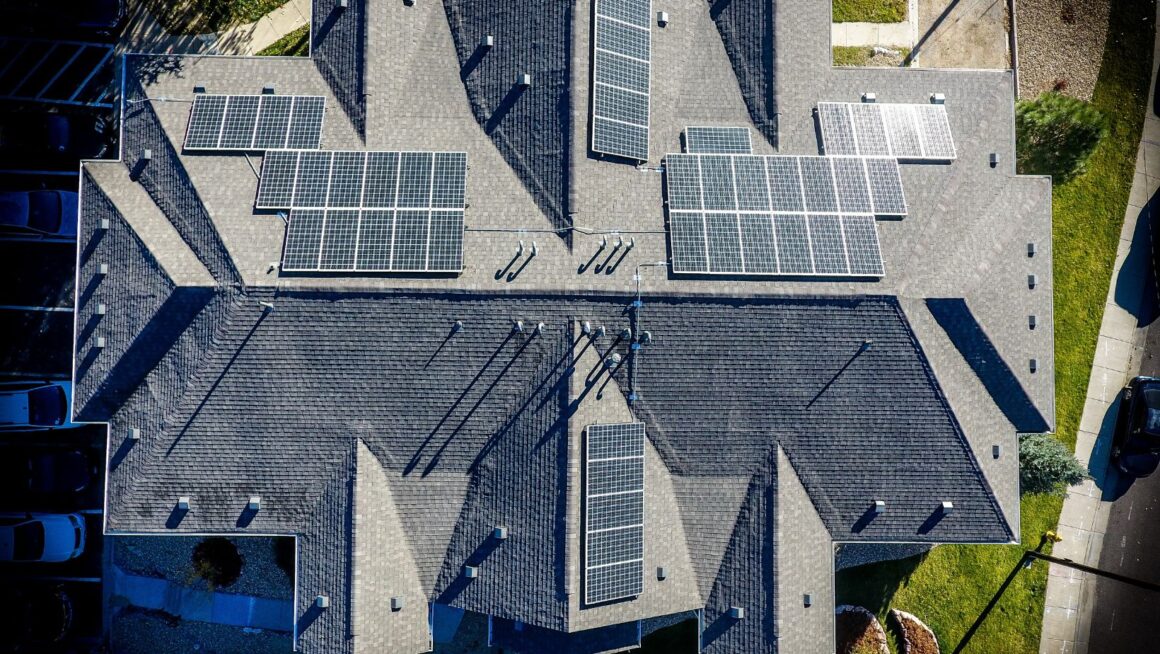
- An aging roof with multiple weak spots
Sometimes the issue is not one failure. The whole roof is simply wearing out. Older materials lose flexibility, older repairs stop holding, and more than one weak spot starts showing up at once.
In Florida, strong UV exposure and long wet seasons speed that process up. When leaks begin appearing in different areas, age is often the real cause. At that stage, repeated small repairs may only delay a larger replacement decision.
Endnote
Most roof leaks in Florida homes are not random. They come from the same stress points again and again: storm damage, failing shingles, worn flashing, blocked drainage, cracked sealant, and aging materials. This is why the best move is not waiting for a major drip. It is finding the weak spot early, before the repair grows into a larger interior problem.