When preparing to sell a home, most sellers focus on repairs that are easy to see: fresh paint, landscaping, updated fixtures, or minor renovations. However, one issue that often goes overlooked until late in the process is pest activity. Insects and rodents can quietly damage a property or create red flags during inspections, sometimes delaying or even derailing a sale.
For homeowners hoping to sell quickly, especially in competitive markets, understanding how pest problems affect real estate transactions can help prevent unexpected complications.
Pest Problems Often Appear During Inspections
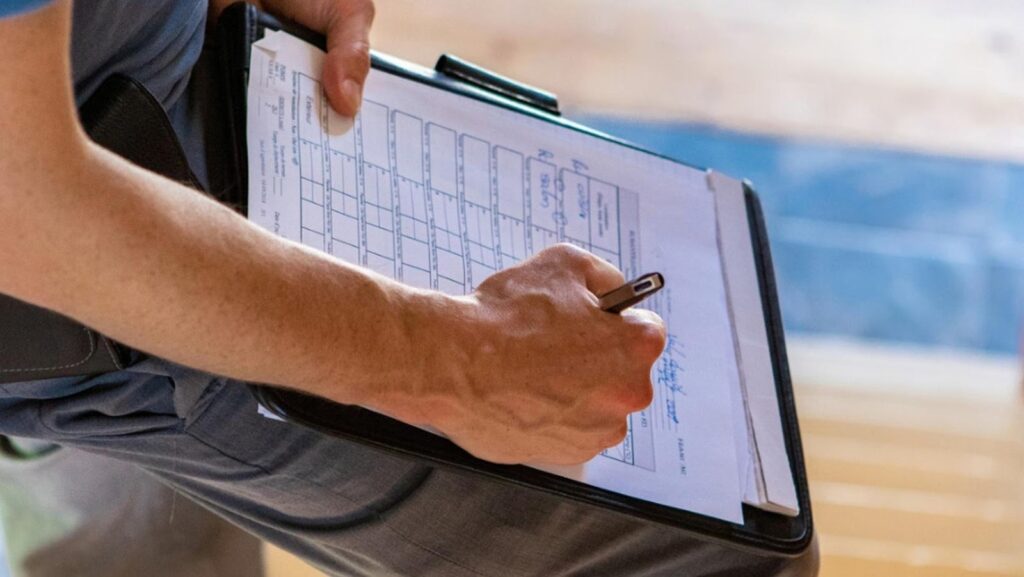
In many real estate transactions, the buyer schedules a professional home inspection after the purchase agreement is signed. During this inspection, professionals look for signs of structural issues, moisture problems, and pest activity.
Certain pests are particularly concerning in these inspections:
- Termites, which can damage wooden structures inside walls and foundations
- Carpenter ants, which excavate wood to create nests
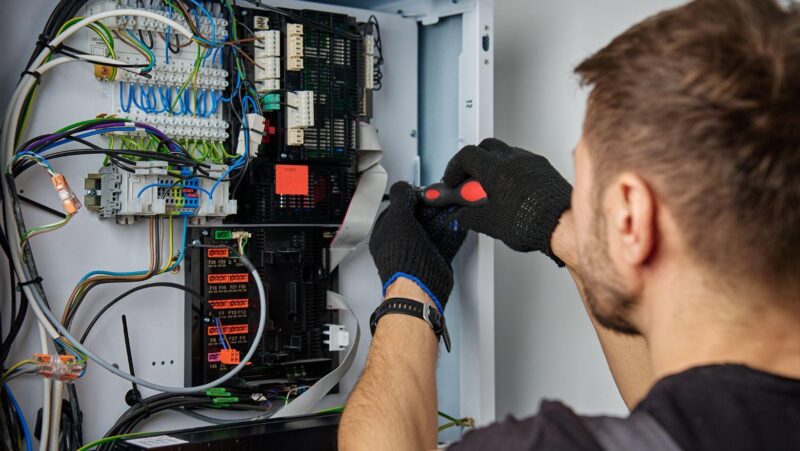
- Rodents, which may chew electrical wiring and insulation
- Cockroaches and other insects, which may indicate sanitation or moisture problems
Even if a home looks clean and well maintained, inspectors may discover hidden signs of pest activity such as frass (insect debris), mud tubes from termites, or rodent droppings in attics and crawl spaces.
If evidence of pests is found, buyers often request additional inspections or treatment before closing the sale.
Pest Activity Can Slow Down the Closing Process
Once pest problems are identified, the closing timeline may be affected. Buyers often want reassurance that any infestation has been properly addressed before they move forward with the purchase.
This may involve:
- scheduling a pest inspection
- completing treatment services
- repairing damaged areas
- providing documentation that the issue has been resolved
In some cases, lenders also require a termite inspection before approving financing, especially in areas where termite activity is common. If treatment or repairs are needed, closing dates may need to be adjusted.
For homeowners who are trying to sell their property quickly, these delays can create additional stress and uncertainty.
Hidden Pest Damage Can Affect Property Value
Beyond the immediate inconvenience, pest damage can also impact how buyers perceive the value of a home. Structural damage caused by termites or moisture-related pests can lead buyers to worry about long-term repair costs.
Even minor infestations can make buyers cautious. For example:
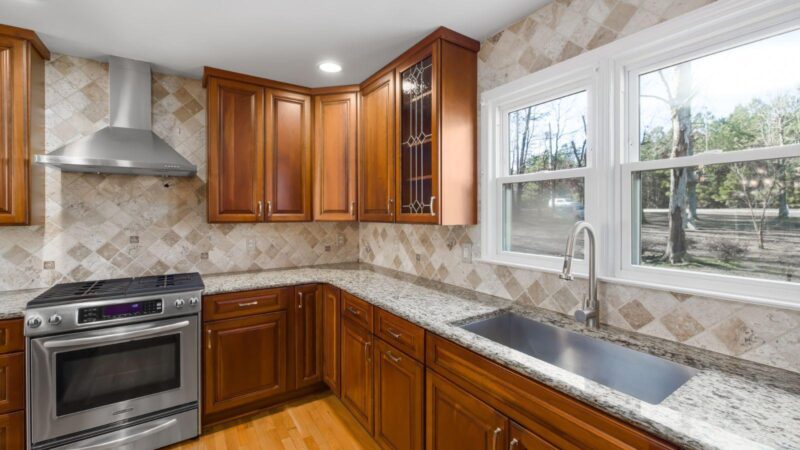
- Visible ant trails in kitchens or bathrooms
- Rodent sounds in attics or walls
- Evidence of insects around windows or baseboards
These signs may cause buyers to question how well the property has been maintained overall.
Addressing pest issues before listing the home can help avoid these concerns and present the property in the best possible condition.
Preventative Pest Inspections Before Listing
Many real estate professionals recommend that homeowners schedule a pest inspection before putting their home on the market. A preventative inspection allows sellers to identify and resolve issues before potential buyers discover them.
A pre-listing inspection can help homeowners:
- detect hidden infestations
- document the condition of the property
- complete treatments if needed
- provide buyers with inspection records
Having documentation that shows the home has been inspected and treated when necessary can increase buyer confidence and reduce the likelihood of last-minute negotiations.

Simple Steps Sellers Can Take to Reduce Pest Risk
In addition to professional inspections, there are several steps homeowners can take to reduce the risk of pest activity before selling a home.
First, remove potential food sources by keeping kitchens clean and properly storing food. Small crumbs or spills can attract ants and other insects.
Second, eliminate moisture problems. Leaky pipes, clogged gutters, or standing water around the foundation can attract pests that thrive in damp environments.
Third, seal entry points around doors, windows, and utility lines. Many pests enter homes through small gaps that homeowners may not notice during daily use.
Finally, keep storage areas organized. Attics, garages, and crawl spaces that contain clutter can provide hiding places for rodents and insects.
These small preventative steps can make a noticeable difference when inspectors and buyers evaluate the home.
Working With Pest Professionals During a Sale
If pest activity is discovered during the selling process, working with a qualified pest control professional is usually the best way to address the problem quickly and effectively.
Experienced pest control providers can identify the type of pest involved, locate nesting areas, and recommend treatments that eliminate the infestation while helping prevent future problems.
For homeowners who want to better understand common household pest risks and treatment options, resources from companies such as Talos Pest Control provide helpful information about identifying early warning signs and protecting homes from common infestations.
A Proactive Approach Helps Homes Sell Faster
Selling a home can already involve multiple moving parts, from inspections to negotiations and closing deadlines. Pest problems that surface late in the process can complicate these steps and create unnecessary delays.
By taking a proactive approach (scheduling inspections, addressing potential pest issues early, and maintaining a clean property) homeowners can reduce the risk of surprises during the sales process.
For sellers hoping to move quickly and avoid unexpected setbacks, pest prevention is one more step that helps ensure the transaction moves forward smoothly.