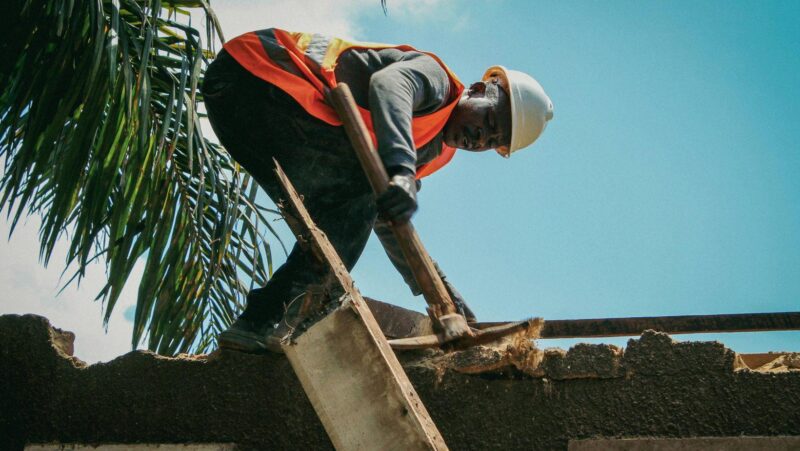
Owning a home or rental property can feel satisfying — until something breaks without warning.
A roof leak appears during heavy rain. The HVAC system stops working during a heat wave. Gutters clog, water backs up, and suddenly you’re dealing with damage that could have been prevented months earlier. These moments are frustrating, expensive, and often avoidable.
That’s where seasonal maintenance makes a difference.
Preventative upkeep protects property value, reduces emergency repairs, and helps homeowners and landlords maintain predictable expenses. According to the 2023 American Housing Survey, 52% of homes reported at least one condition requiring repair or maintenance, and 24 million housing units experienced water intrusion from roofs, plumbing, or windows. Those issues rarely happen overnight — they build over time.
Short sentence.
Maintenance is protection.
Whether you manage a rental property or care for your primary residence, seasonal planning keeps systems running smoothly while preserving long-term equity. This guide breaks down seasonal priorities, overlooked risks, cost-saving benefits, and practical scheduling tips so maintenance becomes manageable rather than overwhelming.
Let’s walk through what matters each season.
Why Preventative Maintenance Preserves Property Value
Property value isn’t just influenced by upgrades or location. Condition plays a major role in buyer perception, appraisal outcomes, and tenant satisfaction.
Routine maintenance prevents deterioration that can quietly reduce property worth. The Hippo Housepower Home Maintenance Report found that 83% of homeowners faced unexpected repairs within a 12-month period, and 46% experienced damage linked to skipped seasonal tasks like HVAC servicing or gutter cleaning.
Deferred maintenance often leads to:
- Moisture damage and mold growth
- HVAC inefficiency and higher utility bills
- Exterior wear allowing pests or water intrusion
- Drainage problems affecting foundations
- Safety hazards that create liability concerns
Financially, the impact is significant. Median homeowner maintenance spending exceeds $3,000 annually, while average annual costs surpass $6,400 per household.
Preventative care, however, shifts the equation. The National Institute of Building Sciences reports that every $1 spent on mitigation and upkeep can save $6 in future repair expenses. Preventative measures also reduce long-term building repair costs by more than 20%.
That’s a strong return on proactive maintenance.
Spring Maintenance: Repair, Inspect, and Prepare
Spring provides the perfect opportunity to assess winter damage and prepare for warmer conditions.
Exterior Inspection and Drainage
Start outdoors.
Winter weather can loosen materials, create cracks, and introduce hidden moisture.
Spring checklist:
- Inspect roofing for missing shingles or flashing damage
- Clean gutters and downspouts
- Check siding for cracks or warping
- Look for foundation movement or new cracks
- Verify proper water drainage away from the home
Exterior components account for a large share of repair spending. The HUD CINCH housing investment report shows that exterior replacements such as roofing, windows, and siding represent about 29% of major repair costs.
Early inspection prevents those expenses from escalating.
HVAC System Preparation
Warmer temperatures mean cooling systems will soon be working harder.
Spring HVAC tasks:
- Replace air filters
- Clean outdoor condenser units
- Test thermostat performance
- Schedule professional servicing if airflow feels weak
According to the Residential Energy Consumption Survey, 88% of homes rely on HVAC systems requiring seasonal maintenance and filter replacement. Neglect affects comfort and energy efficiency.
Landscaping and Water Management
Landscaping affects more than curb appeal.
It influences drainage, pest activity, and structural protection.
Spring priorities:
- Trim vegetation away from siding and roofing
- Remove debris from drainage paths
- Repair irrigation leaks
- Reseed lawn areas with poor drainage
Healthy grading and vegetation management help prevent water pooling near foundations — one of the most common sources of structural damage.
Summer Maintenance: Efficiency and Outdoor Protection
Summer maintenance focuses on weather exposure, safety, and energy performance.
Cooling Efficiency and Energy Savings
Cooling costs rise quickly during hot months. Optimizing efficiency helps control expenses.
Summer HVAC checklist:
- Inspect ductwork for air leaks
- Seal gaps around windows and doors
- Clean ceiling fans and adjust rotation
- Monitor unusual equipment noises
Small improvements reduce system strain and extend equipment lifespan.
Exterior Surfaces and Weather Exposure
Sun, storms, and humidity can wear down exterior materials.
Summer inspection tasks:
- Reseal decks and fences
- Check exterior caulking around windows and doors
- Inspect paint for cracking or fading
- Identify pest entry points
Addressing these issues early prevents structural deterioration and moisture infiltration.
Safety and Outdoor Equipment
Summer is also ideal for safety checks.
- Test smoke and carbon monoxide detectors
- Inspect outdoor lighting and wiring
- Examine railings, steps, and walkways
- Review pool safety barriers and fencing
Simple checks reduce risk and liability for homeowners and landlords alike.
Fall Maintenance: Preparation Before Cold Weather
Fall is preparation season. It’s the window to address vulnerabilities before temperature drops and storms increase.
Roof and Gutter Maintenance
Falling leaves quickly block drainage systems.
Fall priorities:
- Remove debris from gutters and downspouts
- Inspect roof flashing and penetrations
- Check attic ventilation and insulation
- Look for early leak indicators
Water intrusion often starts quietly. Early attention prevents expensive winter damage.
Heating System Readiness
Heating equipment deserves attention before peak usage begins.
Fall heating checklist:
- Replace furnace filters
- Test heating performance
- Inspect vents and exhaust systems
- Schedule professional servicing if needed
Well-maintained heating systems reduce breakdown risk during cold weather and improve efficiency.
Weatherproofing and Insulation
Weatherproofing improves comfort and reduces energy loss.
- Install weatherstripping around doors and windows
- Seal gaps and cracks
- Add insulation in attics or crawl spaces
- Inspect basement moisture levels
About 30% of households have completed weatherization upgrades to reduce seasonal energy loss, based on federal energy consumption data.
Winter Maintenance: Monitoring and Rapid Response
Winter maintenance focuses on preventing freeze damage and managing moisture risks.
Plumbing Protection
Frozen pipes can cause extensive property damage.
Winter plumbing tips:
- Insulate exposed plumbing
- Maintain consistent indoor temperatures
- Disconnect outdoor hoses
- Monitor water pressure changes
Water damage remains one of the most expensive repair categories, making preventative plumbing checks worthwhile.
Roof and Ice Management
Snow accumulation and ice dams can compromise roofing systems.
- Monitor snow buildup on roofs
- Watch for icicle formation along eaves
- Inspect attic insulation and ventilation
- Address moisture buildup quickly
Ignoring early warning signs often leads to interior leaks and insulation damage.
Indoor Air Quality and Ventilation
Winter living conditions can trap moisture indoors.
- Replace HVAC filters regularly
- Clean exhaust fans and vents
- Use dehumidifiers when needed
- Watch for window condensation
Good airflow helps prevent mold growth and improves comfort.
Cost Benefits of Seasonal Maintenance
Maintenance may feel like an ongoing expense, but the financial benefits are clear.
Routine home improvements and maintenance represent more than $350 billion annually in housing expenditures, according to HUD data. Homes older than 30 years require roughly twice the maintenance investment of newer properties.
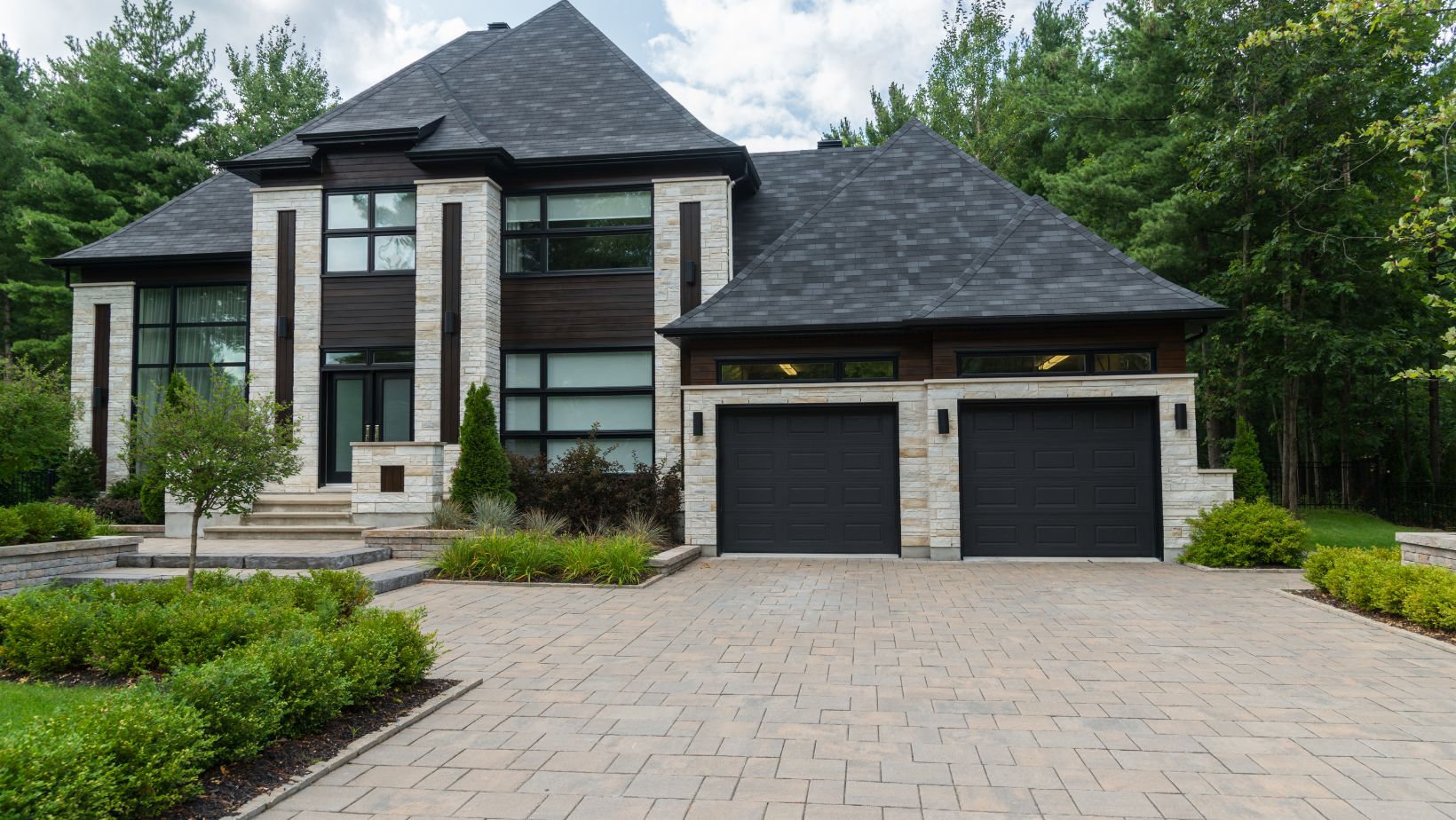
However, proactive maintenance delivers measurable savings:
- Reduced emergency repair costs
- Longer lifespan for major systems
- Lower insurance claim frequency
- Improved resale value
- Greater tenant retention for landlords
Preventative investments also reduce hazard-related property losses by up to 40%, reinforcing the value of routine inspections and upgrades.
In short, maintenance isn’t just spending — it’s financial protection.
Commonly Overlooked Maintenance Risks
Even attentive property owners miss issues that quietly grow over time.
Frequent oversights include:
- Slow attic roof leaks
- Improper grading causing foundation movement
- Neglected HVAC filters reducing airflow
- Deck deterioration creating safety hazards
- Minor plumbing leaks increasing humidity
These issues rarely appear urgent at first. That’s what makes them dangerous.
For landlords, neglected maintenance can reduce tenant satisfaction and increase turnover. For homeowners planning a sale, deferred repairs may reduce buyer confidence or delay closing timelines. Some sellers facing heavy repair burdens even choose alternative routes to sell your house quickly rather than complete extensive renovations.
Preventative maintenance keeps more options available.
Tips for Efficient Maintenance Scheduling
Maintenance becomes easier when approached with structure and consistency.
Use Seasonal Checklists
Breaking tasks into quarterly lists makes maintenance manageable and prevents procrastination.
Set Digital Reminders
Calendar alerts help track recurring tasks like HVAC servicing, gutter cleaning, and safety inspections.
Batch Similar Tasks
Grouping exterior inspections, landscaping, and gutter cleaning into one maintenance day saves time and energy.
Create a Maintenance Budget
Setting aside 1–3% of property value annually helps absorb repair costs without financial stress.
Work With Property Maintenance Professionals
Partnering with experienced providers like Active Property Care helps property owners stay ahead of repairs while reducing the burden of coordination and scheduling.
Sometimes professional support prevents small problems from becoming expensive disruptions.
Conclusion
Seasonal maintenance is one of the most effective ways to protect property value and reduce long-term expenses.
Spring focuses on inspection and recovery.
Summer emphasizes efficiency and exterior protection.
Fall prepares heating systems and weatherproofing.
Winter requires monitoring plumbing, moisture, and insulation.
Simple routines. Powerful results.
Housing data consistently shows that deferred maintenance leads to higher repair costs, while preventative care improves safety, efficiency, and property longevity. Whether you own a single residence or manage multiple rental units, consistency makes the biggest difference.
Start small. Build a seasonal checklist. Schedule inspections before problems appear.
Your property stays healthier, expenses remain predictable, and long-term value remains protected — exactly what every homeowner and landlord wants.