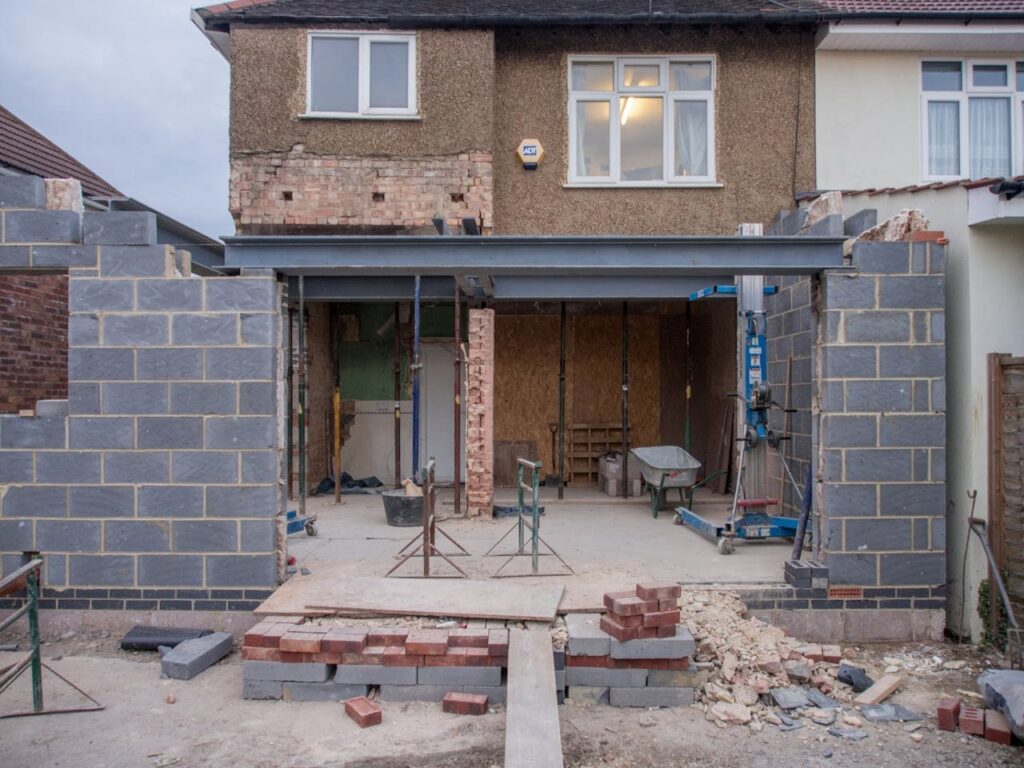
Deciding what to do with a property that needs work often brings pressure. Many homeowners want a clear answer on whether repairs are worth the cost or if an as-is sale makes more sense. The choice becomes easier when you look at your goals, your budget, the real estate market, and how much time you can spare. This guide walks through the key points to help you move forward without the stress that usually comes with home decisions.
Clues Your Home Might Be a Strong As-Is Candidate
Some houses require more than simple touch-ups. Major repairs like foundation shifts, roof failure, or outdated electrical systems can drain your budget fast. When fixes fall into the big-ticket category, selling as-is often becomes a realistic option. In these situations, buyers who purchase properties in their current condition usually expect issues, which lowers the pressure on you.
Time also plays a huge part. If you’re facing a quick move, handling repairs may feel impossible. Coordinating contractors, ordering materials, and waiting for work to finish can stretch out for weeks or months. Working with a company such as Plot Property Group can streamline the process if you prefer a quick sale without tasks on your plate.
Another strong clue appears when your emotional energy feels low. Repair projects often create decision fatigue. If the idea of managing the process makes you tense, choosing an as-is sale may restore peace.
Smart Indicators That Repairs Could Boost Your Sale Price
When your house sits in decent overall shape, repairs often provide value. Many buyers judge a home within seconds of stepping in. Fixing cosmetic issues like chipped paint, worn flooring, or cluttered landscaping helps create a positive first impression.
Small updates sometimes change the whole feel of a home. Replacing old light fixtures, choosing neutral paint, or refreshing cabinet hardware can attract attention at a low cost. These are the types of improvements that encourage buyers to visualize themselves living there.
Mechanical systems also matter. If your HVAC is close to failing or your water heater struggles, upgrading might raise your asking price. Buyers appreciate knowing large components won’t need immediate replacement.
Breaking Down the Numbers to Make a Confident Choice
Before deciding on repairs or an as-is sale, calculate potential returns. Start by collecting quotes from licensed contractors. This gives you a realistic view of total repair expenses. Aim for multiple estimates so you don’t rely on guesswork or inflated numbers. Next, ask a real estate agent to provide two valuations: one for your home as-is and one after repairs.
Subtract the repair costs from the improved value. If the difference creates a worthwhile gain, repairs might be the right direction. Holding costs also deserve attention. Mortgage payments, utilities, insurance, and taxes continue while repairs take place. Long projects sometimes create extra financial pressure. When these added expenses shrink your profit, an as-is sale might protect your wallet.
Consider Your Timeline Before You Commit
Your timeframe plays a major role in the decision. Home repairs rarely move as quickly as planned. A simple task often expands after contractors uncover hidden problems. This creates delays that ripple into your moving plans.
An as-is sale removes that risk entirely. Buyers who specialize in purchasing homes in their current condition usually move fast. Without waiting for repairs, you shorten the closing window and reduce stress. Your emotional timeline matters as well. If life already feels full, simplifying the process can bring relief. A smoother sale often supports your mental and financial well-being.
Why Certain Repairs Make a Strong Difference
Some improvements offer high impact with minimal effort. For example, a kitchen that’s functional but outdated can look fresh with basic upgrades. Painting cabinets, installing modern hardware, or replacing old faucets can create a more welcoming environment.
Curb appeal also delivers strong value. First impressions influence buyer decisions. A trimmed yard, clean driveway, and fresh exterior paint encourage more interest. These tasks often cost far less than interior remodeling while still raising a buyer’s confidence. Homes in competitive neighborhoods gain even more from strategic repairs. If nearby listings appear updated, improving your home helps it stand out.
When an As-Is Sale Creates More Freedom
Selling a home in its current condition removes several layers of stress. There’s no scheduling contractors or monitoring progress. You also avoid the unexpected problems that pop up during repairs. This creates a more predictable process.
As-is sales work great for inherited homes, long-term rentals, or properties with heavy wear. These homes often require more work than the average owner wants to tackle. Choosing an as-is sale gives you a clean break. Negotiations also become smoother because buyers already expect imperfections. You don’t have to offer repair credits or debate over inspection findings. Everything stays straightforward.
Matching Your Decision to Your Lifestyle and Goals
The best choice depends on your priorities. Ask yourself:
- Do you want the highest possible price, even if it requires extra effort?
- Do you need a fast sale to move on?
- Are you comfortable managing repairs?
- How much money can you invest right now?
Visualize the next few months. If you imagine constant appointments, budgeting concerns, and renovation tasks causing stress, an as-is sale might serve you better. If you picture excitement about improving your home and boosting value, repairs may be a rewarding path. Either way, the goal is choosing the option that brings clarity and peace.