Key Takeaways
- Atlanta’s heat, humidity, and pollen season create maintenance demands that standard national checklists don’t account for
- Appliances, especially cooling appliances, work significantly harder in Georgia’s climate and need more frequent attention
- Seasonal timing matters: what you do in March protects you through August
- Small, consistent maintenance saves far more money than emergency repairs
- Fall prep is underrated in Atlanta. Mild winters can lull homeowners into skipping it entirely
I’ve worked with enough Atlanta homeowners to know that maintenance problems rarely happen all at once. They build up slowly — a gutter ignored through summer, a refrigerator coil never cleaned, a deck left unsealed through a Georgia winter. By the time something fails, the damage is already done.
What makes Atlanta home maintenance particularly demanding is the climate. This city sits in a humid subtropical zone where summer afternoons regularly hit the 90s, morning humidity can exceed 80%, and winter mornings still drop below freezing. Sometimes the same week as a 70-degree afternoon. That combination is hard on every system in your home.
This Atlanta home maintenance checklist is for homeowners who want to stay ahead of the seasons rather than react to them. Whether you own a craftsman bungalow in Decatur or a newer build in Alpharetta, the fundamentals are the same.
Spring (March – May): Prepare Before the Heat Arrives
Spring in Atlanta is deceptively demanding for homeowners. Before you enjoy the dogwoods blooming along Peachtree Road, your home needs a thorough inspection. Spring storms are frequent, pollen counts are among the highest in the nation, and summer heat is only weeks away.
Roof and Gutters
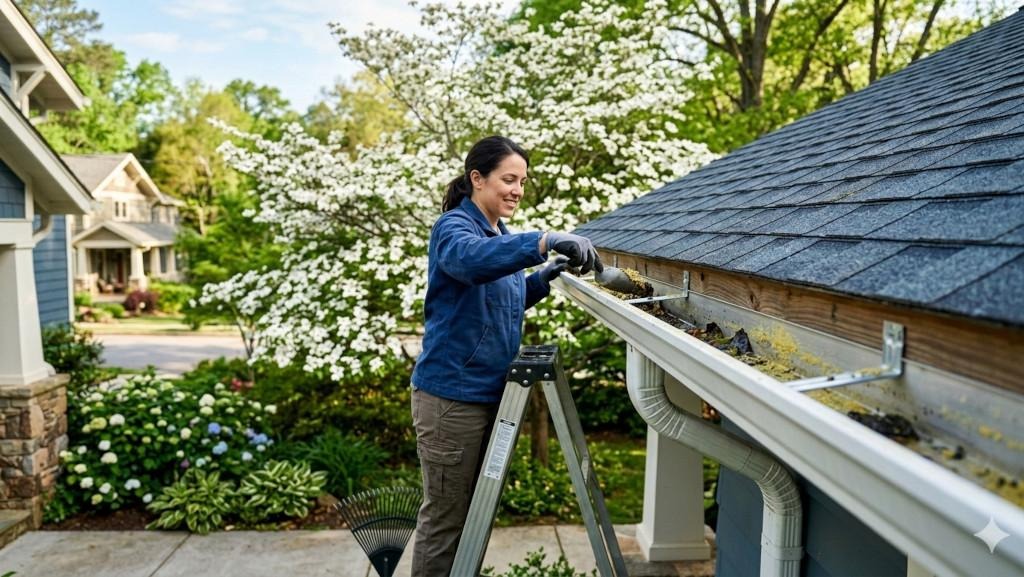
Walk your roofline and look for shingles that have shifted or cracked over winter. Atlanta’s occasional ice storms, though rare, can loosen flashing and gutters. Clear debris from gutters and downspouts, since spring clogs often lead to foundation problems later in the year and are one of the most common causes of water damage in homes.
Check for moss or algae growth. Georgia’s humidity makes this a year-round concern, but spring is when you’ll notice it most clearly. A roof-safe cleaning solution applied now prevents moisture from being trapped, which shortens shingle life.
HVAC System
Once spring storms pass, schedule your AC service before the heat arrives, and not after it does. Once temperatures climb in June, HVAC technicians in Atlanta are booked out for weeks. A spring service should include coil cleaning, refrigerant check, and condensate drain inspection.
Atlanta summers are consistently humid, which forces cooling systems to run longer and harder. In addition, algae blockages are common. Pouring a cup of white vinegar down the drain once a month during the summer is a cheap preventive measure.
Windows, Doors, and Seals
Georgia’s humid climate degrades caulking faster than most homeowners realize. Check the seals around every window and exterior door. Gaps that seem minor in spring become drafts in winter and entry points for pests year-round.
Replace weatherstripping if it’s cracking or compressing unevenly. This is one of the lowest-cost, highest-impact maintenance tasks you can do.
Kitchen Appliances
Spring is also a good time to inspect kitchen appliances before summer demand peaks. Clean refrigerator coils, check dishwasher door seals, and inspect the dryer vent for lint buildup. These are genuine fire risks that most homeowners underestimate.
In Atlanta’s heat, refrigerators run their compressors longer than they would in cooler climates. If yours is showing early warning signs, such as inconsistent temperatures, unusual noise, or higher energy bills, don’t wait. Getting ahead of a refrigerator problem before summer is far better than dealing with spoiled groceries in August. Before you assume the worst and start shopping for a replacement, it’s worth having someone come take a look. Professional refrigerator repair in Atlanta is accessible, and most reputable technicians will give you an honest answer on whether it’s worth saving.
Summer (June – August): Protect What’s Working
Atlanta summers are long, hot, and demanding on home systems. By June, your home’s cooling systems are running nearly around the clock. This season is less about new projects and more about protecting what you’ve already prepared.
HVAC Monitoring
Change your HVAC filter every 30 days during summer, and not every three months as the packaging suggests. Between heat, humidity, and Atlanta’s notorious pollen and red-clay dust, filters clog faster here than almost anywhere else in the country.
Check the condensate drain monthly. A blocked drain can cause water damage to the walls within 48 hours. It is a problem I’ve seen homeowners discover only when the drywall starts to bubble.
Exterior and Landscaping
Summer storms in Atlanta can be severe. Trim branches away from the roofline and ensure downspouts direct water away from the foundation. Keep landscaping sloped away from the home’s base to prevent water pooling.
Inspect your deck or patio for loose boards, rusted fasteners, or surface cracks. Summer heat expands wood, making this an ideal time to catch problems before they worsen.
Plumbing
Heat accelerates the buildup in pipes and outdoor fixtures. During summer, check for:
- Moisture under sinks
- Slow leaks around supply lines
- Worn washing machine hoses
- Corrosion around outdoor spigots
Pest Prevention
Atlanta’s heat and humidity make it ideal territory for termites, ants, and roaches. Summer is the peak activity season. Mosquitoes thrive in this climate as well, particularly around standing water. Implement bee-friendly mosquito control methods such as eliminating stagnant water sources and using targeted treatments that protect pollinators. Keep vegetation trimmed away from the structure and seal any gaps at the foundation level. If you haven’t had a professional termite inspection in the past year, now is the time.
Fall (September – November): The Most Underestimated Season
Fall is Atlanta’s most pleasant season, which is exactly when many homeowners let their guard down. Temperatures drop into the 60s, humidity finally eases, and the urgency of summer fades. But what you do (or don’t do) in the fall determines how your home handles winter.
Heating System
Book your furnace or heat pump service in September before demand spikes. Atlanta’s winters are mild, but cold snaps can arrive fast and without much warning. An unmaintained heating system will reveal that fact at the worst possible time.
Gutters and Roof
Atlanta’s dense tree canopy is beautiful, and it will fill your gutters quickly in October. Clean them twice: once in early October and again after peak leaf fall. Clogged gutters in winter create ice dams on the rare freezing nights and push water back toward the roofline.
Inspect the roof again after the first significant fall storm. Check attic ventilation while you’re at it. Poorly ventilated attics trap moisture in fall and winter, creating conditions for mold growth that’s expensive to remediate.
Exterior Woodwork
Seal and re-stain any exposed decking or wood trim before temperatures drop below 50°F, as most sealants won’t cure properly in cold weather. This is easy to forget in Atlanta because the window for cold weather feels distant in September, but it closes faster than people expect.
Appliance Prep
As the seasons shift, revisit your major appliances. Clean refrigerator coils. This is something many homeowners do in spring but neglect in fall. With holiday entertaining ahead, your refrigerator is about to work harder than usual. Clean dryer vents before heating season begins.
Winter (December – February): Stay Alert on the Mild Days
Atlanta winters are relatively short and mild compared with much of the country, but that mild reputation causes problems. Homeowners skip winterization steps that northern cities take for granted, and then get caught off guard during the occasional hard freeze.
Pipes and Outdoor Faucets
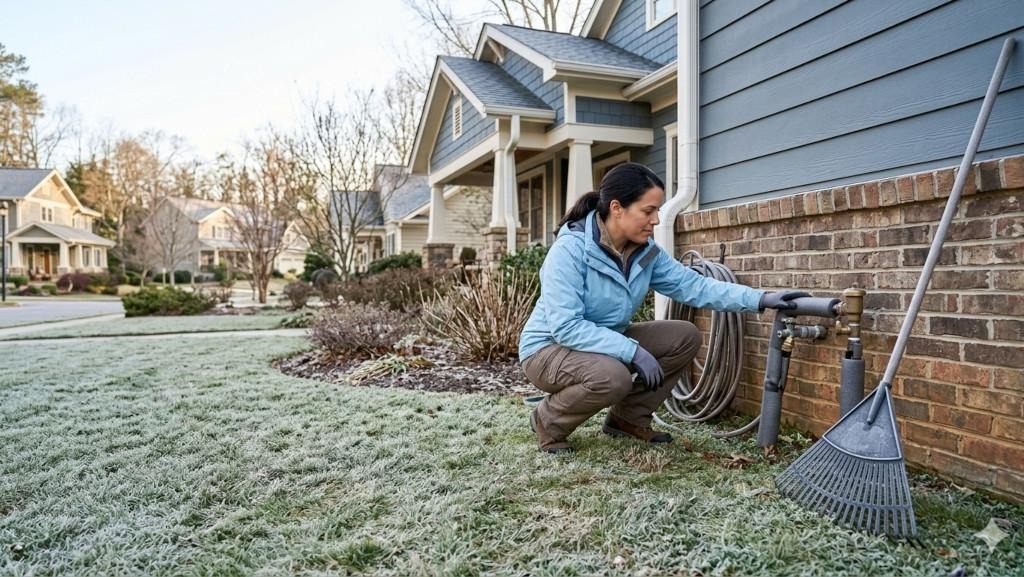
Disconnect and drain garden hoses before the first hard freeze. Insulate any exposed pipes in unheated spaces, such as garages or crawl spaces. Atlanta’s freeze events are infrequent but damaging precisely because most homes aren’t built to handle sustained sub-freezing temperatures.
Weatherproofing
Walk the perimeter of the house and check for any gaps that opened up during the fall. Pay particular attention to the area where different exterior materials meet, such as brick-to-wood transitions, foundation-to-siding junctions, and around utility penetrations.
HVAC and Air Quality
With windows closed and heating systems running, indoor air quality in winter deserves attention. Replace HVAC filters monthly during winter heating, check that carbon monoxide detectors are functioning, and consider a whole-home humidifier if your heating system significantly dries the air.
Safety Systems
Test smoke detectors and carbon monoxide detectors at the start of winter. Change batteries annually — I recommend doing this every time daylight saving time ends, so it becomes automatic.
What Atlanta Homeowners Most Often Get Wrong
In my experience, most maintenance failures aren’t caused by negligence. They’re usually caused by poor timing. Many homeowners apply the same maintenance calendar they would use in colder states like Ohio or Connecticut without adjusting for what Georgia’s climate actually demands.
The three most consistent mistakes:
First, homeowners service their HVAC once a year instead of twice. Atlanta’s summers are long and brutal. A single annual service doesn’t account for the wear an Atlanta system accumulates between May and September.
Second, they skip fall maintenance because the weather is pleasant. The mild fall is precisely the window to do the work, not a reason to delay it.
Third, they treat appliance maintenance as optional. In Atlanta’s heat and humidity, refrigerators, dishwashers, and dryers all work harder than their design specifications assume. Cleaning coils, checking seals, and clearing vents is not optional maintenance here. It’s what keeps appliances running through the conditions they’re actually facing.
A Quick Note on Atlanta’s Local Conditions
Atlanta sits at around 1,000 feet above sea level in the Piedmont region, which gives it slightly cooler summers than coastal Georgia cities but similar humidity. Neighborhoods like Buckhead, Virginia-Highland, Grant Park, and Midtown sit in dense urban areas where the heat island effect raises overnight temperatures. That means HVAC systems in these areas get even less relief than homes in the suburbs.
Spring pollen season in Atlanta is genuinely exceptional. Atlanta regularly ranks in the top five worst cities in the country for pollen, with yellow pine pollen counts sometimes exceeding 5,000 particles per cubic meter. That pollen coats condenser coils, clogs air filters, and works its way into every gap in your home’s exterior envelope. Any maintenance task involving airflow, such as HVAC, dryer vents, and refrigerator coils, should be checked more frequently during April and May than at any other time of year.
Frequently Asked Questions
How often should Atlanta homeowners change HVAC filters?
Every 30 days during summer, and every 60 days during the shoulder seasons. Atlanta’s humidity and pollen load filters far faster than national guidelines suggest. A clogged filter forces your system to work harder and significantly reduces indoor air quality.
Do Atlanta homes really need to winterize pipes?
Yes, for any pipes in unheated spaces. Most of the home’s plumbing will be fine, but exposed pipes in garages, crawl spaces, and against exterior walls are vulnerable during the hard freezes Atlanta sees a few times each decade. The damage from a burst pipe far exceeds the cost of basic pipe insulation.
When is the best time to have a roof inspected in Atlanta?
Twice a year: once in spring after storm season begins, and once in fall before temperatures drop. After any significant hail event, which Atlanta sees several times a year, have it inspected promptly. Insurance claims for storm damage are time-sensitive.
How often should gutters be cleaned in Atlanta?
Most homes should have gutters cleaned at least twice a year — once in spring and again in fall after peak leaf drop. Homes surrounded by mature trees may need a third cleaning in late fall.
Why does my refrigerator seem to work harder in summer?
Because it is. Refrigerators operate within specific ambient temperature ranges, and Atlanta summers push those ranges. The compressor runs more frequently to compensate, accelerating component wear. Keeping coils clean and ensuring proper airflow around the unit helps significantly.
How do I find trustworthy contractors for seasonal maintenance in Atlanta?
Start with referrals from neighbors in your specific neighborhood. Look for a contractor who understands that the older homes in Decatur may not be the best fit for new construction in Johns Creek. For HVAC and appliances, verify licensing through the Georgia Secretary of State’s website before booking.
Conclusion
Owning a home in Atlanta rewards homeowners who plan ahead. The climate here is genuinely demanding. Although not in the dramatic way of a hurricane coast, but in the persistent, cumulative way of heat and humidity that never fully lets up.
The homeowners I see manage maintenance best by following a consistent seasonal routine. They adjust their schedule to Georgia’s heat, humidity, and storms instead of relying on generic national advice.
Start with this checklist, adapt it to your home, and treat fall maintenance as seriously as spring. That single habit prevents more long-term problems than almost anything else.