
Quick Answer
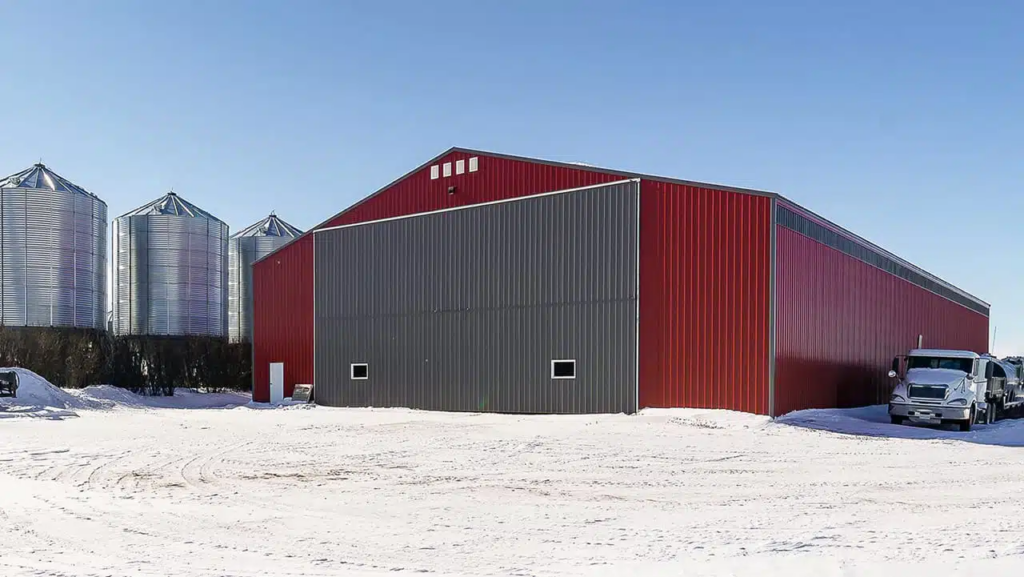
Post-frame construction is a very efficient building method because it combines rapid assembly – often as little as four weeks on-site – with superior durability against extreme prairie weather. With the option to use precast concrete columns, like the DuraColumn, instead of wood posts in the ground, this method eliminates rot concerns while providing a robust foundation. Wider spacing between structural members allows for continuous, thicker insulation layers, significantly reducing energy costs during harsh prairie winters.
Introduction
Alberta’s climate throws tough challenges at any structure – bitter cold snaps, heavy snowfall accumulations, and fierce winds sweeping across open prairies. Builders and owners often search for methods that hold up reliably while keeping expenses manageable and construction straightforward.
In their search, many turn toward modern post-frame construction solutions that are anchoring sturdy, laminated posts directly into the ground or into precast concrete column foundations. This method skips complicated concrete pours, cutting down on time and material needs right from the start. The result feels both robust and sensible, especially where weather tests every building year after year.
People appreciate how the method adapts to varied uses without losing efficiency. Farms need spacious machine sheds or livestock areas, while businesses require open layouts for equipment or inventory. The design naturally supports wide, uninterrupted interiors that traditional stick-frame approaches struggle to match economically.
Cost-Effective Advantages for Building Projects
Post-frame construction often proves kinder to the wallet than many alternatives, especially when timelines and resources feel squeezed. The savings start early and continue through occupancy. Builders find ways to cut material use and labour hours while still delivering solid results suited to demanding conditions.
Lower Initial Material and Foundation Expenses
The design requires fewer components than stick-framing. Generous post spacing reduces the volume of lumber needed, while the use of a post-based foundation replaces the need for expensive, full-perimeter poured foundations. This allows for uninterrupted interiors at a lower per-square-foot cost.
Faster Assembly and Reduced Labour Costs
Efficiency is measured in time as much as money. Once a crew is on-site, a post-frame structure can often reach completion in as little as four weeks. This speed reduces labour costs and minimizes the window where materials are exposed to the elements.
Fewer specialized trades enter the picture early. Carpenters handle framing and exterior finishing without waiting for foundations or other crews. Weather interruptions hit less hard when key stages finish quickly.
Long-Term Savings Through Better Efficiency
Energy bills reflect smart design choices. Wide spacing allows thicker insulation blankets with fewer interruptions, cutting heat loss in cold seasons. Tighter envelopes form naturally, keeping conditioned air inside longer.
Maintenance demands remain modest over the years. Treated posts resist decay, and straightforward connections hold up well against settling. Owners spend less on repairs compared to systems with more joints and fasteners.
Quick Comparison of Typical Cost Factors
| Aspect | Post-Frame Approach | Conventional Stick Framing |
| Foundation concrete | Not required | Full perimeter walls |
| Framing lumber volume | Reduced due to wider spacing | Higher from dense stud walls |
| Assembly timeline | Often days to weeks faster | Extended by sequential steps |
| Insulation effectiveness | Higher R-values easier to achieve | More thermal bridges common |
These factors add up meaningfully on bigger projects. Wide open spaces come at lower per-square-foot prices, leaving room in the budget for quality finishes or site improvements. The approach rewards upfront planning and keeps financial surprises rare.
Versatility Across Rural and Commercial Applications
Post-frame construction adapts readily to diverse needs, offering clear-span interiors and flexible layouts that suit a wide range of purposes. The design supports large, unobstructed spaces without interior load-bearing walls, making it practical for both everyday and specialized uses.
Ideal for Agricultural Settings
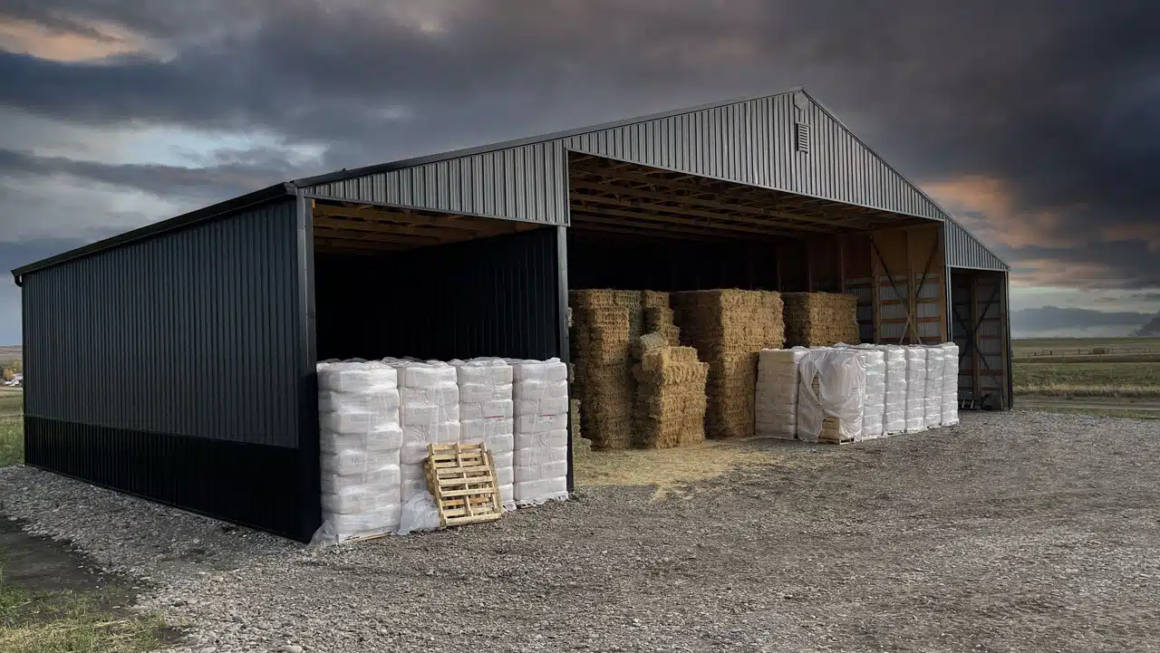
Farms often demand large, unobstructed areas for equipment storage, hay, or livestock housing. Wide-span construction solutions deliver column-free interiors that allow tractors, combines, and feed wagons to maneuver freely. Doors can swing wide or slide along full wall lengths without structural interruptions.
Quick construction helps meet seasonal deadlines, and future expansions attach seamlessly.
Well-Suited to Commercial Uses
Businesses choose this method for workshops, warehouses, service centres, or retail spaces that need functional, column-free interiors. The approach delivers fast occupancy and accommodates heavy machinery or inventory racks efficiently. Exterior finishes vary to match site aesthetics.
Key advantages of adaptability:
- Adjustable heights and roof pitches for specific equipment or storage needs
- Easy addition of partitions or lean-tos as requirements evolve
- Multi-purpose potential, from initial farm shed to later workshop or event space
Agricultural and commercial post-frame projects thrive on this flexibility, balancing immediate utility with room for growth while keeping construction straightforward and cost-effective.
Compliance with Regional Performance Requirements
Buildings in Alberta must meet rigorous Alberta building performance standards to handle the province’s demanding environment, from structural integrity to energy considerations. Post-frame construction aligns well with these expectations when properly designed and documented.
Alignment with National and Provincial Building Codes
The National Building Code 2023 Alberta Edition governs most non-residential and larger structures, setting requirements for load-bearing capacity, wind resistance, snow loads, and overall safety. Engineered post-frame systems incorporate stamped drawings and calculations that demonstrate compliance with these provisions.
For agricultural buildings with low human occupancy, the National Farm Building Code offers some relaxations, though many producers opt for full NBC alignment to future-proof investments or access financing. Post-frame designs frequently achieve this through engineered trusses rated for regional ground snow loads and wind speeds common across the prairies.
Meeting Energy Efficiency Expectations
The National Energy Code of Canada for Buildings 2020 applies to larger commercial and industrial projects, while Part 9 of the NBC(AE) covers smaller buildings and housing. Thicker insulation possible in post-frame walls supports higher thermal resistance, helping satisfy energy performance targets without elaborate detailing.
Continuous insulation layers and reduced thermal bridging contribute to better airtightness. These features make it practical to reach or exceed minimum R-values and air leakage limits specified for the climate zone.
Permitting and Inspection Process
Most jurisdictions require a development permit for zoning and siting, followed by a building permit for construction details. Submissions typically include site plans, engineered drawings, and specifications showing foundation depths, post treatments, and truss engineering.
Inspections occur at key stages: foundation/post setting, framing, and final occupancy. Approved designs from reputable providers simplify approvals since calculations already address local snow, wind, and seismic factors where applicable.
Steps to Achieve Smooth Compliance
- Consult local municipal offices early for specific requirements and forms
- Secure professional engineering stamps on structural plans
- Select materials certified for ground contact and load ratings
- Schedule inspections proactively to avoid delays
Following these practices keeps projects on track and delivers structures that perform reliably under official scrutiny. Compliance becomes a straightforward outcome of thoughtful design rather than an obstacle.
Value of Professional Expertise in Construction
Post-frame construction looks simple, but small mistakes in design or build can create expensive problems later. Experienced professionals help avoid those issues and deliver dependable results.
Importance of Engineered Design
Every location has distinct soil, snow loads, wind patterns, and frost depths. Engineers provide site-specific calculations, choose correct post sizes, embedment depths, and truss setups to meet code requirements. Stamped drawings speed permitting and give confidence the structure will perform as expected.
Advantages of Skilled Installation
Precision matters during assembly: posts must stay plumb, connections properly torqued, and bracing effective. Experienced crews apply proven techniques to maintain quality and speed while protecting materials from weather exposure. Inexperienced work risks shortcuts that shorten lifespan or void warranties.
Benefits of Specialist Guidance
Professionals keep up with code changes, material options, and best practices for energy-efficient rural buildings. They advise on insulation, ventilation, and barriers to improve comfort and reduce costs long-term. Documentation from experts supports better resale value and insurance terms.
Professional involvement transforms the project from potential risk to proven success. The method’s strengths emerge fully when handled by those who know its details and the challenges of northern climates.
Final Thoughts on Post-Frame Construction Efficiency
Post-frame construction continues to prove itself as a smart, reliable choice for Alberta projects where harsh weather, budget constraints, and functional needs collide. From minimal foundations and rapid assembly to strong energy performance and versatile layouts, the method delivers consistent advantages without unnecessary complexity. Professional input at key stages keeps everything aligned with regional standards and long-term expectations.
Whether planning a farm shed, commercial workshop, or multi-use facility, this approach balances upfront savings with lasting durability. Engineered post-frame systems remain a standout solution when efficiency and performance matter most in demanding northern conditions.


