
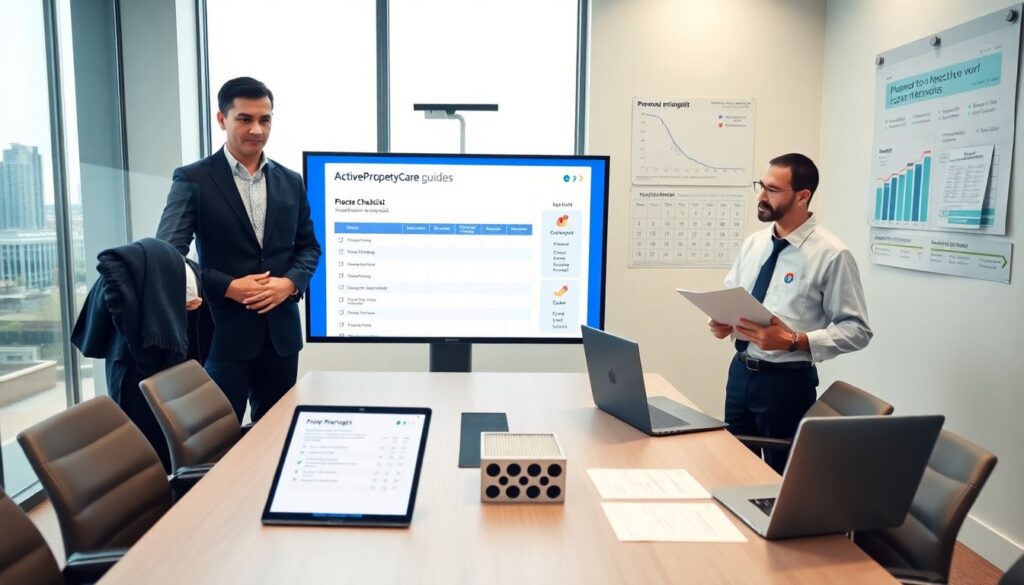
ActivePropertyCare guides explain clear steps owners and managers must take to protect asset value. The guides list priorities, define simple schedules, and show how to measure results. They set expectations for inspections, repairs, and tenant communication. They help teams act faster and reduce surprise costs. The guides aim to make property care repeatable, measurable, and cost-effective.
Key Takeaways
- ActivePropertyCare guides provide clear, repeatable steps for owners and managers to protect property value through inspections, maintenance, and record-keeping.
- Following ActivePropertyCare guides reduces emergency repairs, lowers lifetime repair costs, and boosts tenant satisfaction for higher net operating income.
- The guides outline an 8-step setup process from initial audit to ongoing maintenance routines to ensure predictable workflows and efficient resource use.
- Tracking metrics like maintenance spend per unit, response time, and ratio of planned to reactive work helps measure property health and ROI effectively.
- ActivePropertyCare guides support scalable scheduling and budgeting, making property care cost-effective and measurable across residential and commercial portfolios.
- Using simple tools and monthly scorecards improves communication, operational discipline, and long-term financial planning for property teams.
What ActivePropertyCare Is And Why It Matters For Owners And Managers
ActivePropertyCare guides define how to guides activepropertycare, a system for regular property upkeep. They list tasks, assign roles, and set frequencies. Owners and managers use the guides to reduce emergency repairs and preserve resale value.
The guides focus on three practical areas. First, inspections. The guides tell teams what to inspect and how often. Second, maintenance. The guides list routine tasks such as HVAC filter changes, gutter clearing, and paint touch-ups. Third, records. The guides require simple logs for work, costs, and outcomes.
They matter because they turn vague intentions into repeatable actions. Owners who follow the guides see fewer urgent fixes. Managers who follow the guides report clearer vendor coordination and faster tenant responses. The guides also help with budgeting. They let teams forecast annual maintenance and plan capital reserves.
ActivePropertyCare guides suit residential properties, small commercial sites, and portfolios. The guides scale by changing task frequency and adding vendor details. They work with digital tools or paper. They work with in-house staff or contracted teams.
Teams that adopt the guides gain two concrete benefits. First, lower lifetime repair costs. Preventive tasks cost less than large fixes. Second, higher tenant satisfaction. Tenants value quick responses and steady upkeep. These two benefits support higher net operating income and better long-term value.
Step‑By‑Step Setup: From Initial Audit To Ongoing Maintenance Routines
Step 1: Conduct an initial audit. The team inspects structure, systems, and safety items. The audit records condition, photos, and immediate fixes. The audit assigns a priority level to each item.
Step 2: Create a task list. The team breaks the audit into daily, monthly, quarterly, and annual tasks. The list includes vendor details, estimated time, and cost range. The list uses clear task names such as “change HVAC filter” or “test GFCI outlets.”
Step 3: Build a schedule. The manager assigns tasks to staff or vendors and sets recurring dates. The schedule links to contact info and warranty documents. The schedule sets reminders and backup vendors.
Step 4: Set inspection checklists. The checklists state what to observe and what to record. They use simple yes/no fields and short notes. The checklists include photo slots to document issues.
Step 5: Define escalation rules. The team sets thresholds for urgent repairs and vendor response times. The rules state who calls a vendor and who approves emergency spending.
Step 6: Train staff and vendors. The manager runs short sessions and shares the guides. The training covers priorities, record keeping, and safety. The training includes a short quiz or a field walk to confirm understanding.
Step 7: Start the routine and review monthly. The team completes tasks, logs work, and records costs. The manager reviews logs to spot trends. The review may add preventive tasks or adjust frequencies.
Step 8: Plan annual capital work. The team reviews long‑term items such as roof replacement and major system updates. The team budgets and schedules these works in advance.
This setup yields predictable workflows. It reduces last‑minute decisions. It helps owners plan cash flow and helps managers show clear progress to stakeholders.
Cost, Tools, And Metrics: How To Track ROI, Schedule Work, And Measure Property Health
Cost: The guides separate operational spend from capital spend. They list typical line items such as filters, paint, minor plumbing, and seasonal services. The guides recommend tracking both planned and unplanned costs. The team logs date, vendor, cost, and warranty status.
Tools: The guides favor simple tools. A property management platform handles schedules, work orders, and invoices. A spreadsheet can serve small portfolios. The guides recommend photo storage for records and a shared contact list for vendors. The guides suggest one calendar for recurring tasks and one inbox for vendor communication.
Metric 1: Maintenance spend per unit. The team divides total maintenance spend by units or rentable square feet. This metric shows relative cost and helps benchmark against peers.
Metric 2: Response time. The team measures time from tenant report to first action. Shorter response times link to higher tenant retention.
Metric 3: Ratio of planned to reactive work. The team tracks hours or dollars on planned tasks versus emergency fixes. A higher planned ratio signals better prevention.
Metric 4: Work order closure rate. The team tracks percent of tasks closed on time. This metric shows operational discipline.
Metric 5: Capital reserve ratio. The team compares reserves to recommended replacement timelines. The ratio helps signal future funding needs.
How to track ROI: The team compares maintenance spend against avoided repair costs and income gains. The guides recommend a simple approach. First, estimate the avoided repair cost for major items. Second, estimate rent gains from better upkeep. Third, subtract the maintenance spend. The result gives a basic ROI figure.
Seasonal scheduling: The guides advise aligning heavy tasks with safe weather windows. The guides note that local schedules matter. For example, teams watch sports and event calendars when planning noisy work near tenants. They also account for broadcast blackout rules and peak event dates when work could disrupt tenants, as seen in guidance for major event schedules on how to watch MLB games.
Practical tip: The guides recommend monthly scorecards. The scorecard shows the key metrics, recent costs, and urgent items. The scorecard helps owners see progress and helps managers focus limited resources.
The guides keep tracking simple. They use clear fields, short notes, and consistent naming. They make it easy to compare month to month and year to year.


