Landscaping in Central Florida is shaped by contrasts. The region offers year-round growing potential, vibrant plant diversity, and long flowering seasons, but it also brings intense sun, sandy soils, heavy summer rains, and occasional drought stress. In Ocala and the surrounding areas, successful landscape installation depends on understanding these conditions from the start, rather than reacting to them later.
A well-planned landscape is not just about visual appeal on day one. It is about how the space matures, how plants establish themselves, and how the design holds up under real environmental pressure. Installation decisions, from plant selection to soil preparation, play a decisive role in determining whether a landscape thrives or becomes difficult to maintain over time.
Reading the Site Before You Design
Every landscape begins with a site that has its own logic. In Central Florida, even properties within the same neighbourhood can vary in drainage, sun exposure, and soil composition. Before choosing plants or sketching layouts, it is essential to observe how the space behaves.
Where does water collect after heavy rain? Which areas receive full sun throughout the day, and which are partially shaded? Are there slopes, compacted zones, or areas where grass struggles to grow? These details provide the framework for everything that follows.
In Ocala, sandy soils dominate, which means water drains quickly but nutrients can be lost just as fast. This has implications for both plant choice and soil preparation. Ignoring these conditions often leads to landscapes that require constant correction rather than steady, predictable growth.
Designing for Layered Growth
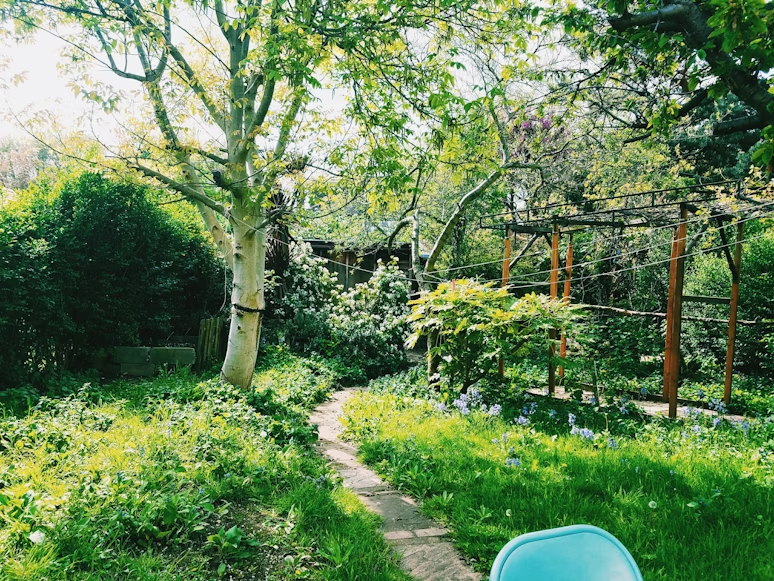
One of the most effective approaches to landscape design in Central Florida is layering. Instead of treating planting as a flat arrangement, layering introduces structure through varying heights and plant types, groundcovers, mid-level shrubs, and canopy elements.
This does more than improve aesthetics. It creates microclimates within the landscape, helping to regulate soil temperature, reduce evaporation, and protect more sensitive plants from excessive sun exposure. For example, low-growing groundcovers can shield soil from direct heat, while taller shrubs or trees provide filtered shade that benefits surrounding plantings.
In Ocala’s climate, this layered approach also supports resilience. When plants are positioned in a way that reflects their natural growing patterns, they tend to require less intervention and recover more easily from environmental stress.
Choosing Plants That Work With the Climate
Plant selection is where many landscape projects succeed or struggle. Central Florida offers a wide palette of options, but not all plants are equally suited to the region’s conditions.
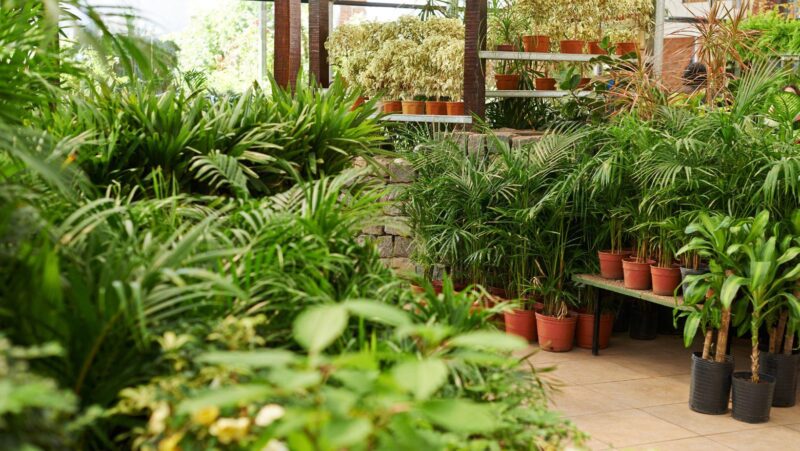
Native and Florida-friendly plants are often the most reliable foundation. Species such as muhly grass, coontie, yaupon holly, and firebush are adapted to local heat, humidity, and rainfall patterns. They typically require less water once established and are more resistant to pests and disease.
That does not mean non-native plants cannot be used effectively. However, they should be chosen with care, ensuring their requirements align with the site. Plants that demand constant irrigation or struggle in full sun can quickly become high-maintenance additions.
Another key consideration is mature size. In Central Florida, growth can be rapid. Plants that seem appropriately spaced at installation may become overcrowded within a year or two if their mature dimensions are not taken into account. Allowing room for natural growth reduces the need for aggressive pruning and helps maintain the intended design over time.
Soil Preparation: The Often Overlooked Step
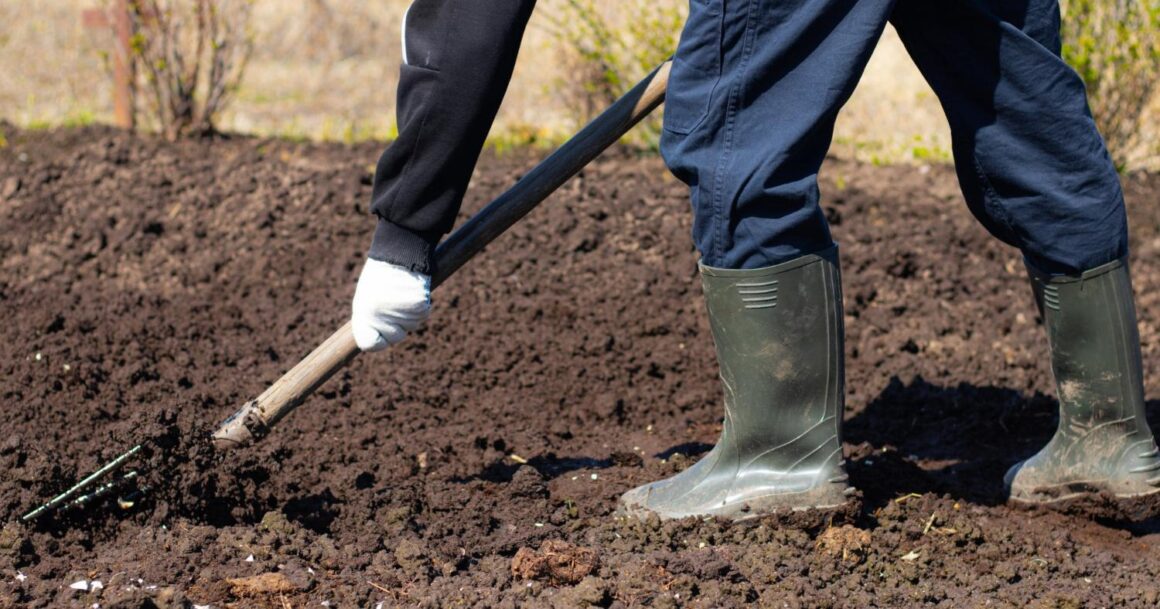
In Ocala’s sandy soils, proper preparation is one of the most important steps in landscape installation. While sand allows for excellent drainage, it does little to retain nutrients or moisture on its own.
Incorporating organic matter, such as compost, peat, or well-aged mulch, improves the soil’s structure and increases its ability to support plant roots. This step is especially important for new installations, where plants are establishing themselves and are more vulnerable to stress.
Mulching after planting serves multiple purposes. It helps conserve moisture, regulate soil temperature, and reduce weed growth. Over time, as mulch breaks down, it contributes additional organic material to the soil, further improving its quality.
Skipping or minimising this step may save time initially, but it often leads to weaker plant performance and higher maintenance demands later on.
Irrigation That Reflects Real Conditions
Water management in Central Florida is about balance. While summer rains can be heavy, they are not always consistent, and extended dry periods can still occur. An effective irrigation system ensures that plants receive adequate water without overwatering.
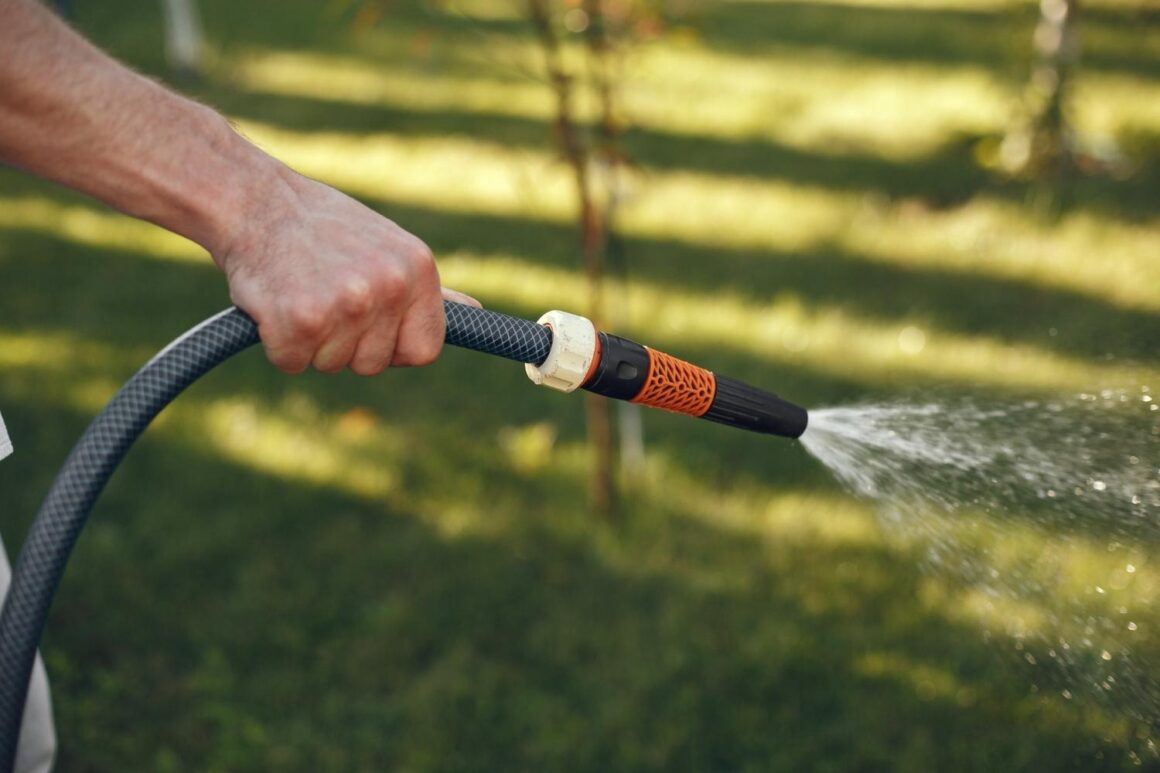
Drip irrigation is particularly well-suited to many landscape installations in Ocala. By delivering water directly to the root zone, it reduces evaporation and minimises runoff. This targeted approach is both efficient and supportive of healthy root development.
Smart irrigation controllers, which adjust watering schedules based on weather conditions, can further improve efficiency. Rather than relying on fixed timers, these systems respond to actual environmental data, helping to avoid unnecessary water use.
Establishing plants properly is also critical. Newly installed landscapes typically require more frequent watering until roots are established. Once plants adapt to their environment, irrigation can often be reduced, particularly when drought-tolerant species are used.
Hardscape Elements and Functional Design
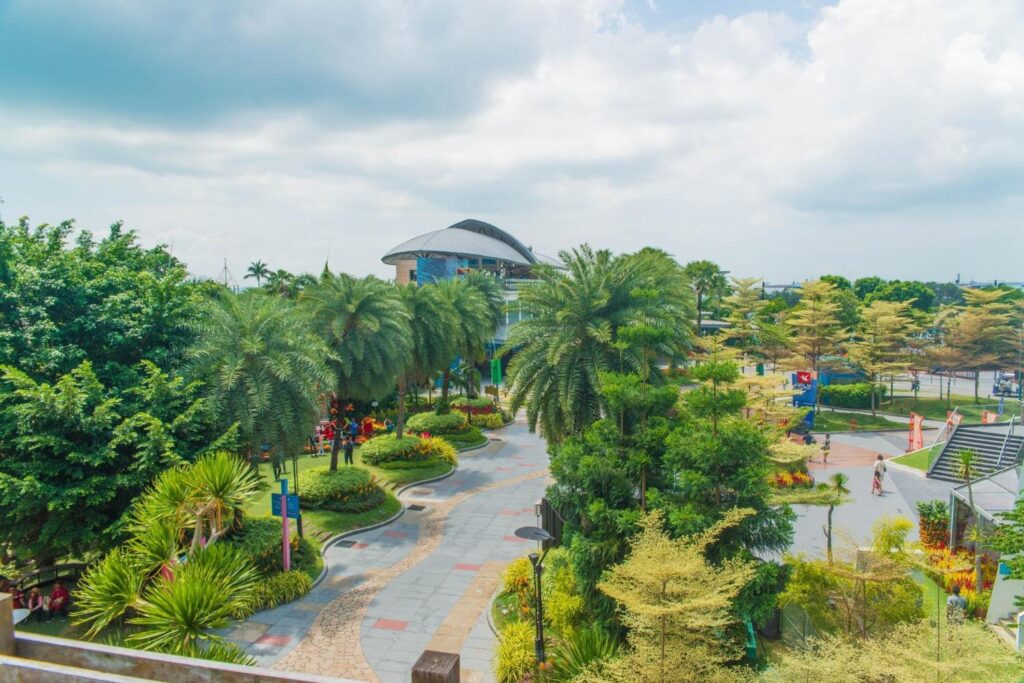
Landscaping is not limited to plants. Hardscape elements, such as pathways, edging, retaining features, and drainage solutions, play an essential role in how a space functions.
In Central Florida, managing water flow is especially important. Heavy rainfall can lead to pooling, erosion, or damage if drainage is not properly addressed. Incorporating features that guide water away from structures and planting beds helps protect both the landscape and the property.
Pathways and defined edges also contribute to maintenance efficiency. Clear boundaries make it easier to manage mowing, trimming, and general upkeep, reducing the time and effort required to maintain the space.
Professional Installation and Local Expertise
While many homeowners take on landscaping projects themselves, professional installation can provide a level of precision and foresight that is difficult to replicate without experience. This is particularly true in regions like Central Florida, where environmental conditions play such a significant role in long-term outcomes.
Within the Ocala area, companies such as American Grounds Service are part of a broader network of providers focused on landscape installation and maintenance tailored to local conditions. Their work typically involves aligning plant selection, soil preparation, irrigation planning, and layout design in a way that supports both immediate results and long-term sustainability.
The value of this approach lies in its integration. Rather than treating each element separately, it considers how all components interact within the environment.
Maintenance as an Extension of Design
A successful landscape installation is only the beginning. Ongoing maintenance ensures that the original design intent is preserved and that plants continue to perform as expected.
In Central Florida, this includes regular pruning, monitoring for pests and disease, adjusting irrigation as seasons change, and replenishing mulch. Because growth can be rapid, maintenance schedules often need to be more frequent than in cooler climates.
However, when a landscape is designed with maintenance in mind, using appropriate plant spacing, resilient species, and efficient systems, the workload becomes more manageable. The goal is not to eliminate maintenance, but to make it predictable and sustainable.
Sustainability and Regional Best Practices
Sustainable landscaping is increasingly important in Florida, where water conservation and environmental impact are key concerns. Guidance from the U.S. Environmental Protection Agency highlights the importance of efficient irrigation, soil health, and plant selection strategies that reduce water demand while maintaining landscape performance.
These principles are particularly relevant in Ocala, where natural resources and climate conditions require thoughtful management. By aligning landscape installation with these practices, property owners can create spaces that are both visually appealing and environmentally responsible.
Building Landscapes That Endure
In Central Florida, landscaping is not a one-time project. It is an evolving system shaped by climate, growth, and ongoing care. The most successful installations are those that anticipate change rather than react to it.
By focusing on site-specific conditions, selecting appropriate plants, preparing soil effectively, and integrating efficient irrigation and maintenance strategies, landscapes can be designed to endure. In Ocala’s environment, this approach is not just beneficial, it is essential.
A well-executed landscape does more than enhance a property’s appearance. It creates a space that functions reliably, adapts over time, and reflects a clear understanding of the environment in which it exists.