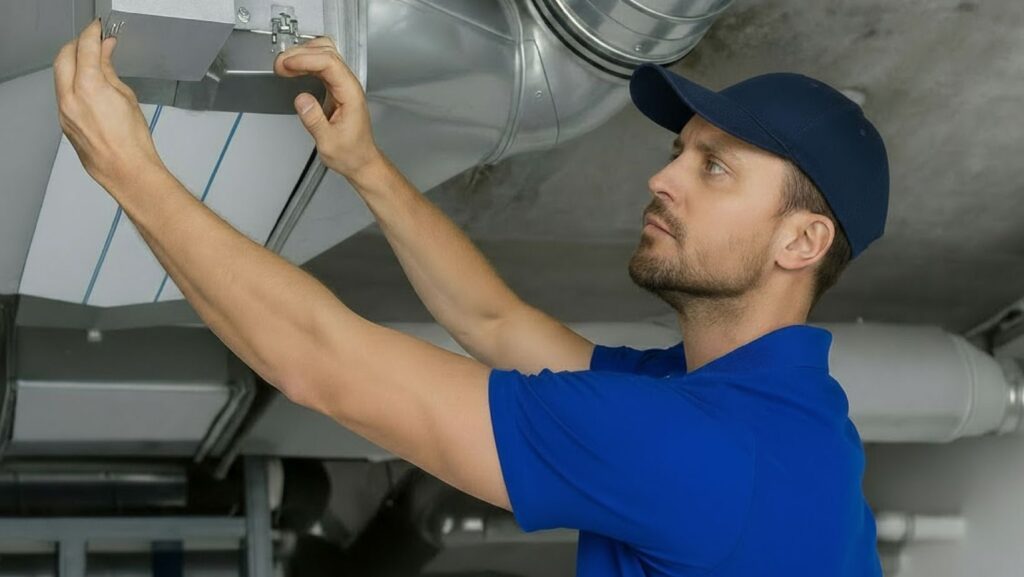
Air conditioning systems play a vital role in keeping homes and businesses comfortable, especially during hot and humid seasons. Whether it’s a small residential unit or a large commercial HVAC system, regular maintenance and timely repairs are essential for efficient performance. Understanding how residential and commercial AC repair services work can help property owners make informed decisions, save money, and ensure long-term system reliability.
Understanding Residential AC Repair Services
Residential air conditioning repair focuses on systems installed in homes, apartments, and small residential buildings. These systems are typically smaller and less complex than commercial units but still require professional care to operate efficiently.
Home AC systems often include central air conditioners, ductless mini-splits, and window units. Over time, these systems may experience issues such as refrigerant leaks, clogged filters, faulty thermostats, frozen coils, or electrical problems. When these issues arise, professional technicians diagnose the problem and perform necessary repairs to restore proper cooling.
One of the main benefits of residential AC repair services is improved energy efficiency. A malfunctioning unit often consumes more energy, leading to higher electricity bills. By fixing issues early, homeowners can reduce costs and extend the lifespan of their systems. Regular servicing also helps maintain indoor air quality by ensuring filters and ducts are clean.
Technicians typically follow a structured process when repairing residential AC systems. They inspect the unit, check refrigerant levels, examine electrical components, and test airflow. Once the issue is identified, they repair or replace faulty parts and ensure the system is running smoothly. Preventive maintenance plans are also available, helping homeowners avoid unexpected breakdowns.
Understanding Commercial AC Repair Services
Commercial AC repair services are designed for larger systems used in offices, retail stores, restaurants, hospitals, and industrial facilities. These systems are more complex and powerful because they need to cool larger spaces and operate for longer hours.
Commercial HVAC systems often include rooftop units, chillers, cooling towers, and packaged systems. Due to their complexity, commercial AC repairs require specialized tools and experienced technicians. Even minor issues can affect comfort levels, productivity, and customer satisfaction in commercial spaces.
For example, a malfunctioning AC system in an office building can lead to discomfort for employees and clients. In restaurants or retail stores, poor cooling can impact customer experience and even damage temperature-sensitive products. That’s why quick and efficient commercial AC repair services are essential.
Commercial technicians conduct detailed inspections, checking compressors, ductwork, thermostats, and ventilation systems. They also ensure the system complies with safety and energy regulations. Regular maintenance contracts are common for commercial properties, helping prevent costly downtime and emergency repairs.
Key Differences Between Residential and Commercial AC Repair
While both residential and commercial AC repair services aim to restore cooling efficiency, there are several differences between them.
Residential systems are smaller and typically located outside or inside a home. Repairs are usually quicker and less expensive. In contrast, commercial systems are larger, often installed on rooftops or in dedicated mechanical rooms. They require more time, expertise, and equipment to repair.
Another difference is usage. Residential AC systems operate mainly during certain hours, while commercial systems often run continuously. This constant usage makes commercial systems more prone to wear and tear, requiring frequent inspections and maintenance.
Technicians working on commercial systems often need specialized training and certifications. They must understand complex HVAC designs, zoning systems, and large-scale cooling solutions. Residential repairs, while still technical, are generally less complicated.
Common AC Problems in Homes and Businesses
Both residential and commercial systems can face similar issues.
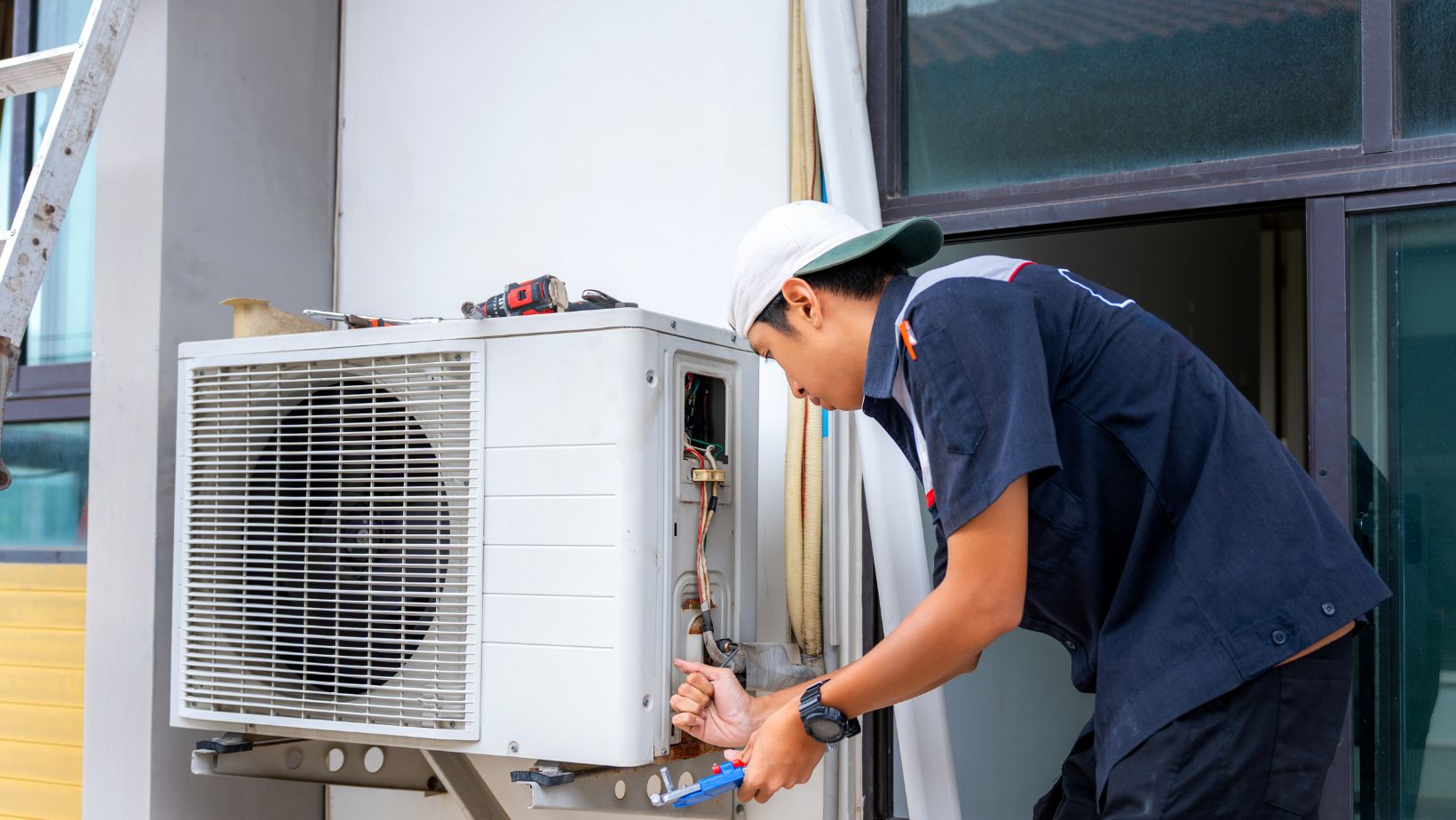
Some of the most common AC problems include:
- Refrigerant leaks: Low refrigerant levels reduce cooling efficiency.
- Dirty filters: Clogged filters block airflow and strain the system.
- Thermostat issues: Faulty thermostats can cause uneven cooling.
- Electrical problems: Wiring issues or faulty capacitors may prevent the system from running.
- Frozen evaporator coils: Often caused by poor airflow or low refrigerant.
- Compressor failure: A major issue that may require part replacement.
Ignoring these problems can lead to bigger and more expensive repairs. Regular maintenance and quick repairs help prevent system breakdowns and ensure consistent performance.
Importance of Regular Maintenance
Preventive maintenance is one of the most effective ways to avoid costly AC repairs. Both residential and commercial systems benefit from routine inspections and servicing. Maintenance tasks include cleaning filters, checking refrigerant levels, inspecting electrical components, and ensuring proper airflow.
Regular servicing improves energy efficiency, reduces repair costs, and extends the lifespan of the AC system. It also ensures better indoor air quality and consistent cooling performance. Many service providers offer maintenance plans that include seasonal check-ups and priority service.
By scheduling routine maintenance, property owners can detect minor issues before they turn into major problems. This proactive approach saves money and prevents unexpected breakdowns during peak seasons.
Choosing the Right AC Repair Service Provider
Selecting a reliable AC repair company is crucial for quality service. Look for licensed and experienced technicians who can handle both residential and commercial systems. A good service provider should offer emergency repairs, transparent pricing, and maintenance plans.
Customer reviews and recommendations can help you find a trusted company. It’s also important to choose a provider that responds quickly to service requests, especially during extreme weather conditions.
Professional technicians use advanced tools and techniques to diagnose and repair AC issues accurately. They also provide helpful advice on system maintenance, energy efficiency, and potential upgrades.
Benefits of Professional AC Repair Services
Hiring professional AC repair services offers several advantages:
- Expert diagnosis: Technicians quickly identify and fix issues.
- Improved efficiency: Proper repairs reduce energy consumption.
- Longer system lifespan: Regular servicing prevents major damage.
- Better comfort: Consistent cooling improves indoor comfort.
- Cost savings: Timely repairs prevent expensive replacements.
Professional services ensure your AC system runs efficiently and reliably, whether in a home or a commercial space.
If you’re looking for an AC repair company near me, we provide fast and reliable AC repair services for homes and businesses.
Conclusion
Residential and commercial AC repair services are essential for maintaining comfortable indoor environments. While residential systems focus on home comfort, commercial systems ensure smooth operations for businesses. Both require regular maintenance, timely repairs, and professional expertise to function efficiently.
Understanding the differences between residential and commercial AC repair can help property owners choose the right services and avoid costly breakdowns. By working with experienced technicians and scheduling regular maintenance, you can ensure your air conditioning system provides reliable cooling for years to come.