Privacy windows play a vital role in shaping emotional comfort by creating secure, light-filled personal spaces. Thoughtful window coverings or privacy glass windows reduce unwanted exposure while preserving natural illumination – essential for mental calm and daily rhythm. Effective home privacy solutions support psychological safety without sacrificing style or connection to the outdoors, making them foundational to wellbeing in Canadian living environments.
Windows do more than frame a view – they shape how safe, calm, and in control we feel within our own homes. Privacy windows influence everything from morning routines to evening relaxation, acting as silent mediators between personal space and the outside world. In Canadian households, where urban density and seasonal light shifts are common, getting this balance right is essential for emotional comfort and daily wellbeing.
For those seeking adaptable, design-conscious solutions, exploring options like custom window coverings can make a meaningful difference. The right treatment doesn’t just obscure a view – it modulates light, enhances thermal comfort, and supports psychological ease without sacrificing style or connection to the outdoors.
How Privacy Windows Influence Emotional Safety in Canadian Homes
The relationship between physical space and psychological comfort is well documented – and few elements in a home shape that dynamic as quietly yet powerfully as privacy windows.
The Role of Natural Light in Emotional Regulation
Unlike solid barriers, thoughtfully designed privacy windows preserve access to natural illumination – a critical factor in regulating circadian rhythms and mood. Studies from Health Canada and the Canadian Mental Health Association consistently link exposure to daylight with improved sleep, reduced seasonal affective symptoms, and enhanced cognitive function. The goal isn’t isolation, but controlled connection.
Common Psychological Triggers Addressed by Privacy Design
- Feeling exposed during routine activities (e.g., dressing, dining, working from home).
- Anxiety from unpredictable external movement or noise near windows.
- Discomfort caused by glare or lack of control over who sees inside.
Balancing openness with discretion isn’t just about aesthetics – it’s a foundational component of creating a restorative home environment.
Understanding the Limits of Traditional Window Privacy Ideas
Many homeowners begin their search for window privacy ideas with simple, off-the-shelf solutions – sheer curtains, basic venetian blinds, or temporary film applications. While these options may offer initial relief, they often fall short in addressing deeper psychological and functional needs tied to long-term comfort and control.
Why Temporary Fixes Don’t Support Lasting Comfort
Temporary or generic window treatments rarely account for the interplay between light, visibility, and seasonal variation – especially relevant in Canadian climates. A curtain that feels sufficient in summer may leave a room feeling exposed or drafty in winter. Similarly, adhesive films can peel, yellow, or distort views, creating visual irritation rather than calm.
Common Gaps in Standard Privacy Approaches
- Inconsistent light control – letting in glare during peak hours while blocking warmth when it’s needed.
- Poor insulation properties – contributing to heat loss in winter or unwanted solar gain in summer.
- Lack of adaptability – fixed solutions can’t respond to changing daylight, privacy needs, or room use throughout the day.
Moving beyond basic fixes requires understanding not just what blocks a view, but how materials, mechanisms, and design influence both perception and physical comfort. The next section examines why window coverings are far more than decorative accents – they’re integral to shaping how we experience our living environments.
Why Window Coverings Are More Than Just Decorative Elements
Window coverings serve a far deeper purpose than enhancing room aesthetics – they act as dynamic interfaces between personal space and the outside world.
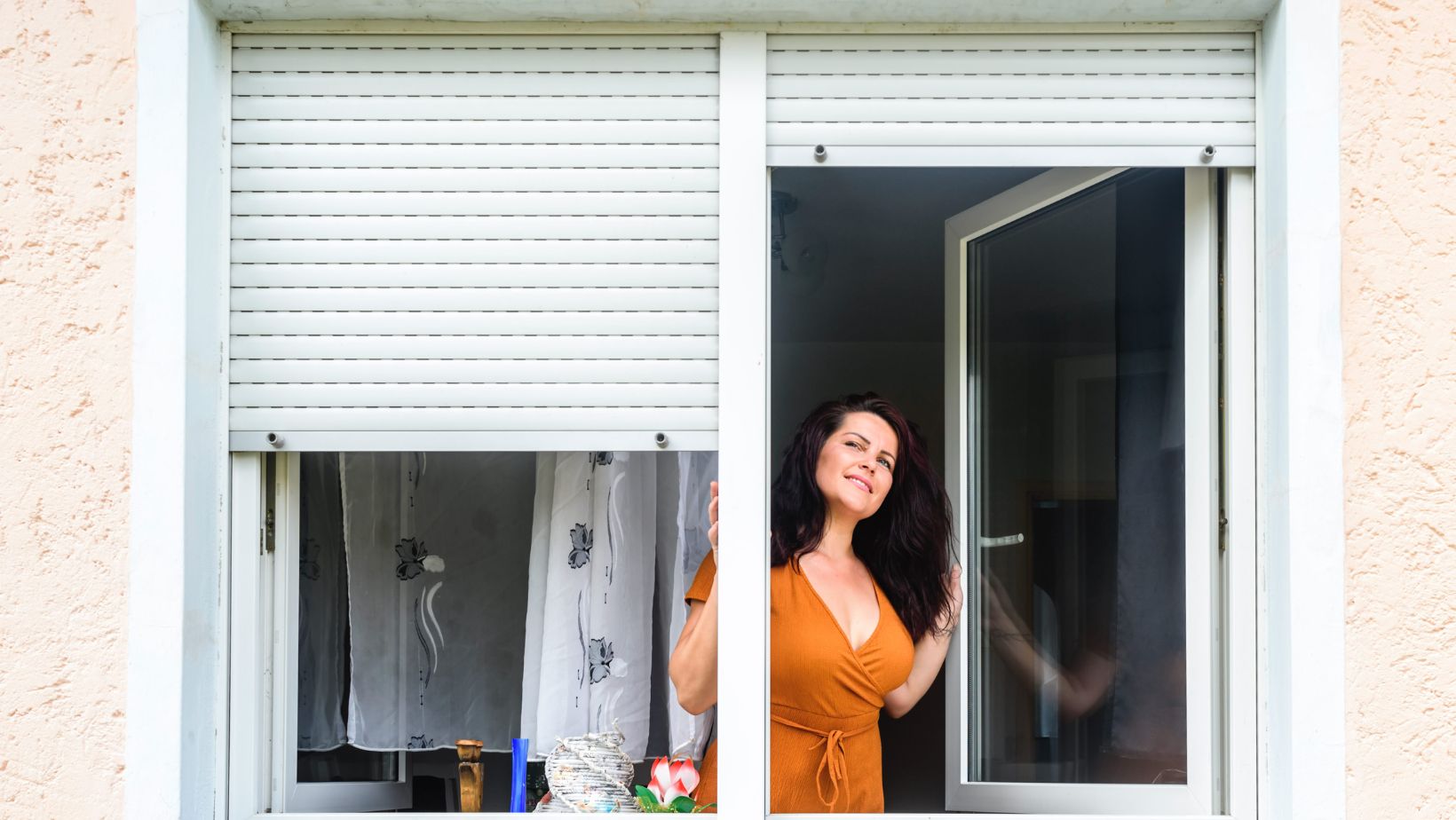
In Canadian homes, where daylight hours fluctuate dramatically and urban density often limits visual retreat, the right coverings become essential tools for regulating mood, energy, and perceived safety.
Functional Design That Responds to Human Needs
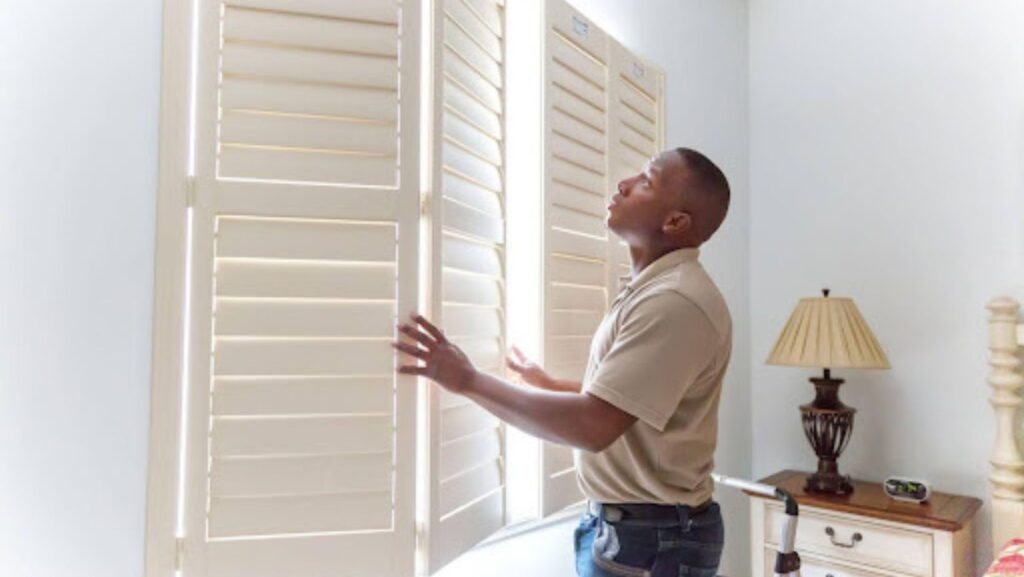
Modern window coverings – including motorized, layered, and light-filtering systems – allow residents to fine-tune their environment throughout the day. Unlike static decor, these systems adapt to changing needs: softening morning glare, increasing privacy during evening hours, or blocking midday heat without sacrificing connection to the outdoors. This adaptability supports psychological comfort by restoring a sense of control over one’s surroundings.
Energy, Light, and Emotional Equilibrium
Beyond privacy, quality coverings contribute to thermal regulation – a key factor in year-round comfort. Insulating fabrics or cellular shades reduce heat loss in winter and solar gain in summer, indirectly supporting mental wellbeing by minimizing environmental stressors like drafts or overheating. Natural light remains accessible without the discomfort of exposure, helping maintain circadian alignment and emotional stability.
Criteria for Psychologically Supportive Window Coverings
- Light-filtering capacity that softens views without eliminating them.
- Thermal performance suited to regional climate patterns.
- Operation that feels intuitive – manual or motorized – reducing friction in daily use.
- Materials that age gracefully, avoiding visual degradation that can subconsciously trigger irritation.
When chosen with intention, window coverings become silent collaborators in creating a balanced, restorative home environment.
When Privacy Glass Windows Become Essential for Mental Wellbeing
There are moments when conventional window coverings – no matter how well designed – cannot fully resolve the tension between openness and seclusion. In these cases, privacy glass windows emerge not as a luxury, but as a functional necessity that directly supports psychological equilibrium, particularly in high-exposure or high-sensitivity environments.
How Privacy Glass Balances Light and Seclusion
Unlike frosted film or textured glass of the past, modern privacy glass technologies – including switchable smart glass, acid-etched finishes, and laminated diffusion panels – allow natural light to permeate while obscuring identifiable shapes and movement. This preserves the mental benefits of daylight exposure without the discomfort of perceived observation. In Canadian homes, where winter months already reduce natural illumination, this balance is especially valuable.
Design Integration Without Compromise
Privacy glass windows maintain architectural integrity and sightlines, avoiding the visual clutter or bulk that layered coverings can introduce. They’re particularly effective in minimalist, contemporary, or heritage spaces where preserving clean lines and original window profiles is a priority. Unlike temporary solutions, they require no maintenance, won’t degrade with sun exposure, and don’t interfere with ventilation or cleaning routines.
When emotional safety hinges on eliminating visual vulnerability – not just reducing it – privacy glass windows offer a definitive, design-forward resolution.
Optimizing Home Privacy Solutions with Professional Guidance
Selecting the right home privacy solutions requires more than browsing catalogues or measuring windows – it demands an understanding of how light, material, mechanism, and spatial context interact to shape daily comfort. Professional guidance ensures these elements align not only with aesthetic goals but with psychological and functional needs unique to each household and Canadian climate zone.
Why Expert Insight Matters in Privacy Design
Professionals assess variables the average homeowner may overlook: window orientation, seasonal sun angles, sightlines from neighbouring properties, and even the acoustic properties of certain coverings.
For example, motorized systems – quietly engineered and often integrated with smart home platforms – eliminate manual adjustment friction, which can be especially valuable for seniors, individuals with mobility considerations, or busy households seeking seamless daily routines.
Avoiding Costly Miscalculations
Without expert input, homeowners risk choosing products that degrade quickly under UV exposure, fail to provide adequate insulation, or clash with existing architectural features. Reputable providers – particularly those offering warranties on mechanisms and materials – help ensure long-term satisfaction. In Canada’s variable climate, durability and adaptability aren’t optional; they’re essential to maintaining both comfort and value.
Ultimately, the most effective home privacy solutions are those thoughtfully tailored – not just to window dimensions, but to the rhythms, sensitivities, and aspirations of those living within the space. Professional consultation transforms generic products into personalized tools for wellbeing.
Final Thoughts: Privacy Windows as Foundational to Home Wellbeing
Privacy windows – whether enhanced through thoughtful coverings, specialized glass, or layered systems – are not merely functional fixtures. They shape how safe, calm, and in control we feel within our own homes. In Canadian living environments, where light, climate, and proximity vary widely, investing in intentional privacy design supports both daily comfort and long-term emotional equilibrium – turning shelter into sanctuary.