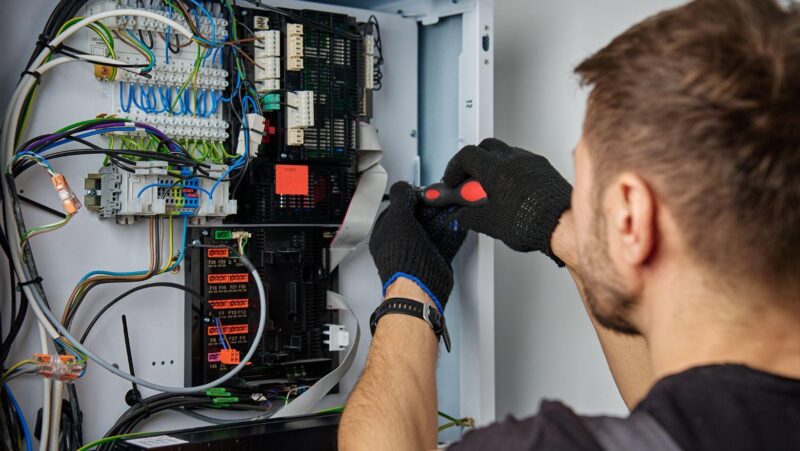
For most homebuyers, the inspection is a moment of relief. For the inspector, it is quite the opposite. Long after you have delivered the report and the client has moved on, you will be left thinking about the property. Replaying decisions, questioning whether you might have missed something, and wondering if any details could turn into a large problem some weeks or months down the line.
Many inspectors who don’t understand why this happens haven’t realised that they are in a field that is just as psychological as it is technical. So, how do you beat the stress? Here’s what you should know.
First Things First: Where the Stress Comes From
When you look at this topic without paying much attention, you may think that the stress of a home inspection is obvious. Large financial stakes, legal exposure, and high client expectations. Not to say that these don’t contribute, but there’s a deeper source, and this is the gap between what you can see and what remains hidden.
The best home inspector certification training will equip you with industry-leading skills and knowledge, but the reality is you still won’t be able to open every wall or predict all future failures. Despite this, your clients still expect a level of certainty that goes beyond what your job allows. Mismatching is the greatest cause of tension.
Don’t forget that you will deal with time pressure and the reality of online reviews and referrals. Just one unhappy client is enough to become a threat to your reputation, even when the situation was beyond your control.
So, What’s the Solution?
Understanding why anxiety and sleepless nights exist in your career is a good thing, but it won’t help if you don’t apply effective solutions. That being the case, here’s what you can do to overcome.
1. Build Processes That Reduce Second-Guessing
Your experience as a home inspector will take you places, but it will be worthless if you rely on memory and instinct alone. That’s why you should build systems that bring consistency into your work. You should aim to have the same sequence, same checkpoints, and same documentation standards every time.
While projects may vary, thus requiring a slightly different approach, it is less likely that you will miss an important element under pressure. And even though you might think that checklists make you look inexperienced, they are a crucial tool for creating consistency, which guarantees trust.
2. Document Everything
Most sleepless nights come from one question: What if this comes back to bite me? In such cases, clear, thorough documentation should be your strongest defence. So, get high-quality photos and detailed notes. Additionally, you must use explicit language that explains both findings and limitations.

If a concern arises later, your report should tell the full story of what was visible at the time and what wasn’t. It should show that your conclusions were reasonable based on what you observed. And while protection is the main aim of creating a comprehensive report, don’t forget the psychological benefit of being able to let go when you know your documentation is solid.
3. Learn How to Manage Client Expectations
One of the top-known facts about working as a home inspector is that a significant portion of your stress will come from misaligned expectations. When you agree to be of service to your clients, some may interpret this as you guaranteeing the future condition of the home. Others will be expecting you to uncover every possible issue, no matter how hidden.
Failing to address such assumptions early can result in conflict later. That’s why you must communicate clearly from the start, regarding what the inspection covers and what it doesn’t. Also mention the limitations that exist due to access, weather, or time. Approaching this from a realistic point of view helps your clients understand the scope of your role, making it less likely for them to feel misled.
4. Keep Learning to Build Your Confidence
One of the most overlooked ways of reducing anxiety when working as an inspector is continuous learning. An increased exposure to different property types, defects, and building systems reduces the chances of being intimidated by new situations.
So, don’t take those continuing education (CE) courses just to stay compliant with licensing requirements. They will make all the difference when it comes to building your confidence. Besides, learning more about this field means you can easily decide when to defer, allowing a specialist to take over.
Get CE Courses You Can Trust
Avoiding anxiety in the home inspection field may look impossible, but everything shifts where there is intention. So, start with the few tips we have mentioned in this post. Also, keep a record of the most challenging inspections so you can learn from them. Over time, you will build a system that guarantees success.
Ready to start your journey? Head over to rocketcert.com today to see the CE courses they offer and build the knowledge foundation required to start off on the right foot.