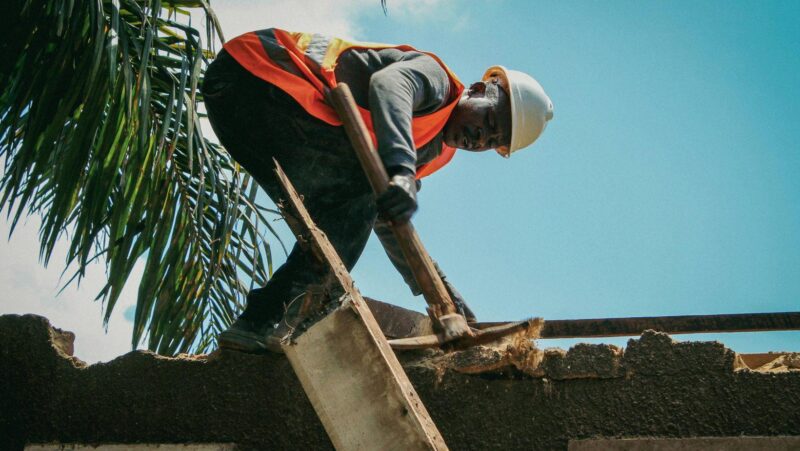
Demolition is often the first major stage of a home renovation, whether you’re removing an old kitchen, opening up a living space, or preparing several rooms for complete remodeling. Although tearing materials out may appear straightforward, demolition requires careful planning because workers can encounter heavy materials, sharp edges, dust, falling debris, and hidden building services. Depending on the task and hazards identified, preparation may include suitable tools, impact gloves, and other appropriate protective equipment before work begins.
Know Exactly What You’re Removing
Don’t begin demolition until you have a clear renovation plan.
Identify which elements need to be removed and which should remain.
These might include:
Marking areas that need to remain untouched can prevent accidental damage once demolition starts.
Identify Structural Elements
One of the most important considerations is determining whether a wall or other building component is structural.
Removing the wrong element can affect the stability of the property.
If you’re unsure whether a wall is load-bearing, consult an appropriately qualified professional before making structural changes.
Major renovations may require input from builders, engineers, or other specialists.
Check for Hidden Utilities
Walls, floors, and ceilings can conceal electrical wiring, plumbing, gas lines, and other building systems.
Never assume an area is clear simply because you can’t see anything from the outside.
Before demolition begins, determine what services run through the work area and arrange for them to be appropriately managed where necessary.
Consider Older Building Materials
Renovating an older property can reveal materials that require additional assessment.
Before disturbing unfamiliar insulation, flooring, coatings, or other older construction materials, determine whether professional testing or specialist removal may be necessary.
This should happen before widespread demolition creates additional dust and debris.
Protect Areas That Aren’t Being Renovated
Demolition dust has a habit of spreading throughout a property.
Before beginning work, separate the renovation area from rooms that aren’t involved.
Remove furniture and belongings where possible and protect surfaces that need to remain.
Pay particular attention to:
Protecting these areas before work begins is much easier than repairing unnecessary damage later.
Plan How Waste Will Leave the Property
Demolition can produce a surprising amount of waste.
Before starting, decide how materials will be removed and where they’ll go.
Depending on the project, waste may include:
Research local disposal and recycling requirements, particularly for materials that shouldn’t be placed in ordinary household waste.
Work in a Logical Order
Randomly demolishing different parts of the room can make the project difficult to control.
Instead, create a sequence.
For a kitchen renovation, for example, you might first remove loose items and appliances before progressing to cabinetry and other materials.
The exact order depends on the project, but having a plan helps keep the workspace manageable.
Separate Reusable Materials
Not everything removed during renovation needs to become waste.
Depending on its condition, you may be able to reuse, donate, sell, or recycle items such as:
Decide what you’re keeping before demolition so reusable materials aren’t accidentally damaged.
Keep the Work Area Organized
Demolition creates debris quickly.
Allowing waste to accumulate throughout the room can make it increasingly difficult to work.
Create designated areas for:
Remove debris regularly rather than waiting until the entire demolition stage is finished.
Inspect Before Rebuilding
Once walls, flooring, or fixtures are removed, previously hidden areas become visible.
Use this opportunity to look for problems such as:
Addressing these problems before installing new finishes can prevent expensive repairs later.
Prepare for the Construction Stage
Demolition is only the beginning of the renovation.
Before rebuilding starts, confirm that the space is ready for the next trades.
Review the schedule for plumbing, electrical work, framing, drywall, flooring, cabinetry, and other stages.
Good coordination at this point can help the rest of the renovation progress more smoothly.
Final Thoughts
Successful demolition isn’t about removing materials as quickly as possible. It requires careful planning, an understanding of the building, good waste management, and coordination with the renovation work that follows.
Take a controlled approach and deal with hidden problems when they’re exposed. A properly prepared space gives the construction phase a much stronger starting point.