For many homeowners, backup power is something you don’t think about until you absolutely need it. Whether it’s a seasonal storm, a grid outage, or an unexpected equipment failure, having a reliable secondary power source can keep your household running smoothly and give you peace of mind.
But with so many options on the market, including portable generators, whole-house generators, solar batteries, and even UPS devices, it can be tough to know which solution fits your property best.
The good news: choosing the right backup power system becomes much more manageable when you understand your energy needs, your property layout, and your long-term goals. Here’s a practical, step-by-step guide to help you make a confident choice.
Know Your Power Requirements
Before you commit to any backup power solution, it’s helpful to determine how much electricity your home actually needs during an outage. This includes identifying which appliances must remain operational and which ones you can live without for a few hours or even a few days.
For a deeper dive into determining generator capacity, many homeowners find guides helpful, such as this resource on choosing the right generator to run a house, which explains how to calculate wattage loads and choose the appropriate size based on your household essentials.
A few quick steps to get started:
- List your critical appliances. Think refrigerators, well pumps, medical equipment, HVAC, and communication devices.
- Check wattage labels. These are usually printed directly on the device or available in the manual.
- Consider startup vs. running watts. Appliances with motors often need extra power to start.
- Add a safety margin. Most experts recommend choosing a generator that can handle at least 20% more than your calculated load.
With these numbers in hand, you’re ready to compare backup power solutions more accurately.
Comparing Popular Backup Power Options
Not all power solutions are created equal. Each option comes with its own strengths, limitations, and ideal use cases.
Portable Generators
Portable generators are one of the most accessible and affordable choices for short-term outages.
- Pros: Budget-friendly, easy to set up, widely available.
- Cons: Require manual fueling, not as quiet, must be used outdoors for safety.
- Best for: Small homes, occasional outages, powering just the essentials.
Whole-House Generators
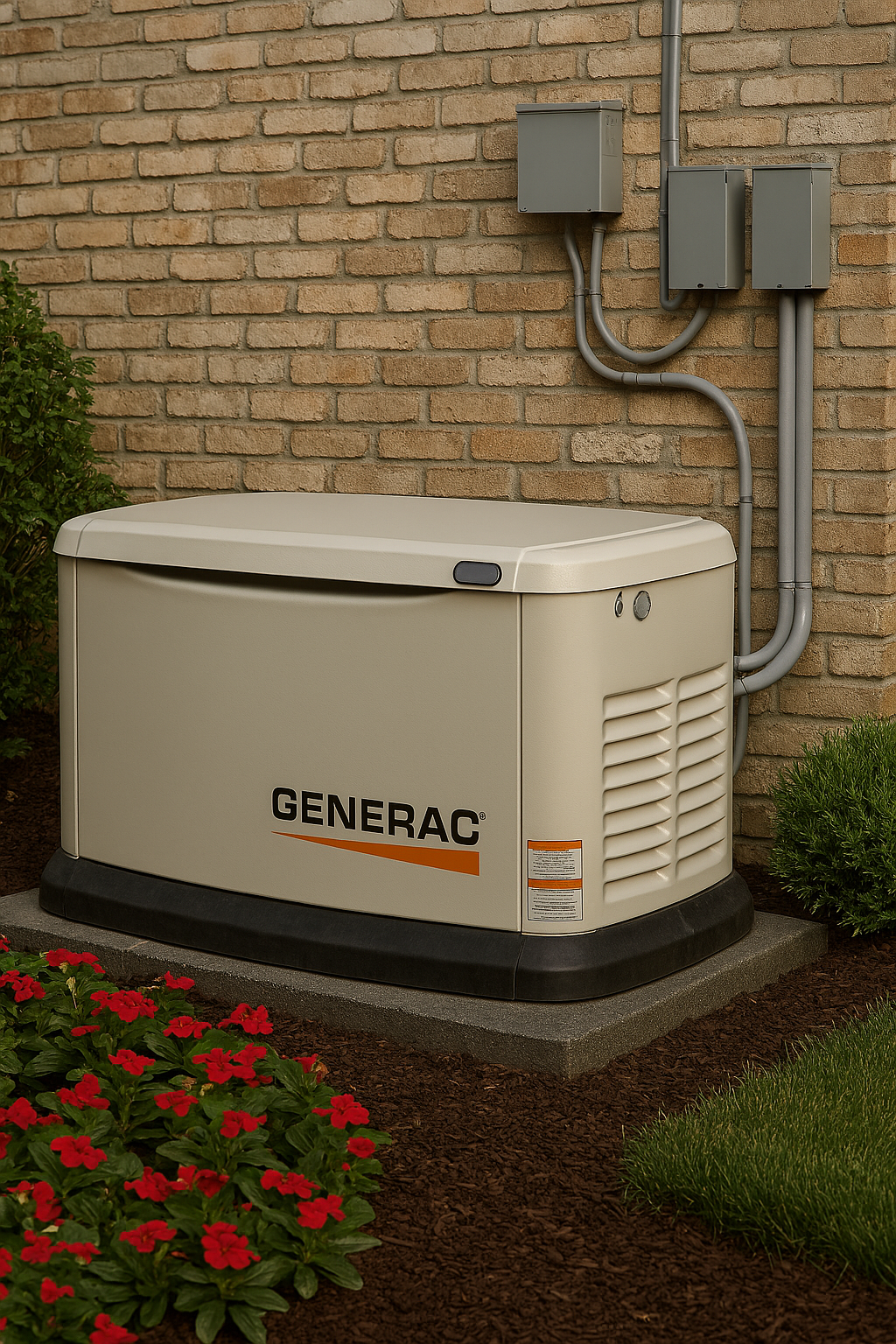
Also known as standby generators, these systems automatically kick on when the power goes out.
- Pros: Seamless operation, powerful enough for large homes, runs on natural gas or propane.
- Cons: Higher upfront cost, requires installation and permitting.
- Best for: Larger properties, areas with frequent outages, homeowners who want low effort and high reliability.
Solar Battery Backup Systems
Solar battery systems store energy generated from rooftop panels and can be used during outages or for daily load-shifting to reduce electric bills.
- Pros: Quiet, low-maintenance, renewable, can reduce monthly energy costs.
- Cons: Higher initial investment, dependent on solar capacity and battery size.
- Best for: Homes with existing solar arrays or homeowners committed to sustainable energy solutions.
Uninterruptible Power Supply (UPS) Devices
While not designed to power an entire home, a UPS provides immediate, short-term electricity to protect sensitive electronics.
- Pros: Instant power transfer, protects computers and networking devices.
- Cons: Limited runtime, not suitable for major appliances.
- Best for: Home offices, internet equipment, and small electronics.
Matching Solutions to Property Size and Lifestyle
Your home’s layout and your family’s routines play an important role in selecting a backup power system. For example:
- Small properties can easily pair a portable generator with a few heavy-duty extension cords
- Medium-sized homes often benefit from a mid-size standby generator or a hybrid setup with solar batteries
- Large properties may require a whole-house generator with automatic transfer capabilities
If you’re unsure where your property falls, consider working with an electrician who can perform a load analysis and offer customized recommendations.
Final Thought
Choosing the right backup power solution is really about balancing cost, convenience, and capacity. By understanding your must-have appliances, evaluating different system types, and considering your property’s unique needs, you’ll be well on your way to a reliable, efficient setup that keeps your household protected—no matter what the next outage brings.