Emergency plumbing calls often occur without warning, affect multiple tenants at once, and demand immediate action at premium after-hours rates. While no property can eliminate emergencies entirely, many of the most common plumbing crises are preventable with the right planning, observation, and maintenance habits.
Reducing emergency plumbing calls starts with understanding why they occur so frequently in managed properties. Shared drain systems, aging infrastructure, inconsistent tenant behavior, and deferred maintenance all contribute to sudden failures. When these factors overlap, even a minor blockage or leak can escalate quickly into a full-scale disruption.
Why Preventative Plumbing Planning Matters for Property Managers
Property managers can reduce emergency plumbing calls by working proactively with a professional plumber who understands the complexities of multi-tenant and commercial plumbing systems. Emergency plumbing calls often result from overlooked warning signs such as slow drains, recurring odors, pressure fluctuations, and minor leaks that worsen over time.
A professional plumber can help identify early system stress, recommend preventative drain maintenance, and guide inspection schedules that reduce unexpected failures, limit tenant disruption, and protect long-term property infrastructure.
Shift From Reactive to Preventative Thinking
One of the most effective ways to limit emergency calls is to move away from a reactive maintenance model. Waiting until a pipe bursts or a sewer backs up almost guarantees higher costs and greater disruption. Preventative maintenance focuses on identifying stress points before failure occurs.
Regular inspections of high-use plumbing areas such as shared restrooms, laundry facilities, kitchens, and mechanical rooms help uncover small issues early. Slow drainage, gurgling sounds, or intermittent backups are often dismissed as minor inconveniences, but they are usually the first indicators of larger system problems.
Monitor Drain Performance Over Time
Drain systems rarely fail suddenly without warning. Instead, they degrade gradually due to grease buildup, debris accumulation, mineral scaling, or structural wear. Tracking recurring plumbing issues allows property managers to recognize patterns rather than treating each call as an isolated event.
For example, repeated clogs in the same line may signal deeper obstructions or improper pipe slope. Odors that return after basic cleaning often point to buildup farther down the system. Addressing these patterns early reduces the likelihood of emergency calls that affect multiple units.
Schedule Routine Drain Maintenance
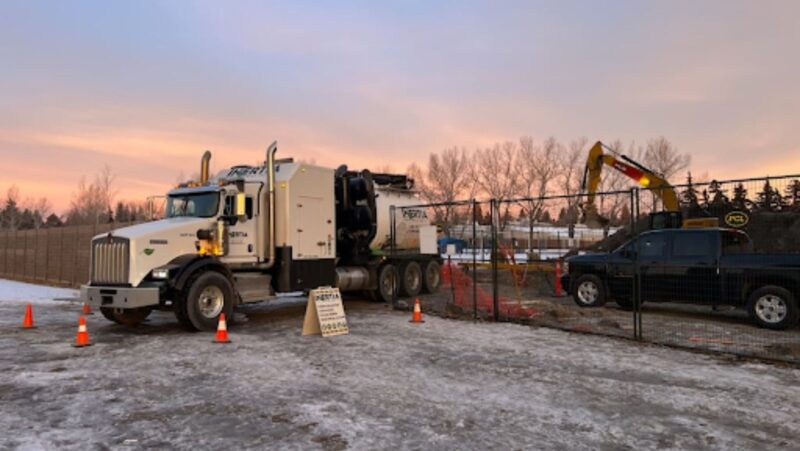
Scheduled drain cleaning is one of the most overlooked tools for preventing emergencies. High-use commercial and multi-family properties benefit from periodic professional cleaning that removes buildup before it restricts flow or causes backups.
In regions like Southern California, many property managers rely on experienced professionals to help identify early warning signs during routine service visits. These proactive cleanings often reveal pipe damage, root intrusion, or structural concerns long before they turn into emergencies.
Educate Tenants and Staff
Tenant behavior plays a major role in plumbing system health. Improper disposal of grease, wipes, hygiene products, and foreign objects is a leading cause of drain blockages. Simple education such as posted signage, move-in guidelines, or periodic reminders can significantly reduce misuse.
Maintenance staff should also be trained to recognize early symptoms of plumbing failure and report them promptly. A small leak or slow drain reported early can prevent after-hours emergency calls later.
Follow Industry and Safety Guidance
Plumbing failures can also pose health and safety risks, especially when wastewater backups or standing water are involved. Guidance from the United States EPA emphasizes proper wastewater management to prevent contamination. The CDC highlights the importance of sanitation and moisture control to reduce health risks. Additionally, building system standards published by ASHRAE reinforce the need for routine infrastructure maintenance in occupied properties.
Document and Plan Ahead
Reducing emergency plumbing calls requires documentation and long-term planning. Keeping records of past issues, maintenance schedules, and inspection findings allows property managers to make informed decisions about repairs and upgrades. Over time, this documentation helps prioritize improvements and reduces reliance on costly emergency responses.