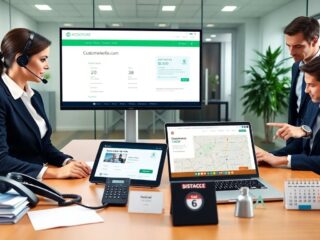
Managing properties is a lot of work. If you’re here, chances are you’re a property manager who already knows just how much work it really is, from keeping tenants satisfied to running maintenance activities promptly. Getting each of them right is essential, but staying organized and handling all these tasks is not easy. This is exactly where maintenance software helps, offering a smart system that lets you manage properties more efficiently. Here are some of the most common problems property managers face, and how maintenance platforms help.
1. Handling Different Workflows Across Different Systems
As a manager, you’re doing everything from renewing tenant leases to assigning maintenance work orders and collecting rent. Without automation, you risk being everywhere at once and managing too many people, which is a recipe for disaster. Property management maintenance software automates these, so you can do everything under one roof.
Instead of manually assigning work and logging data on spreadsheets, the software allows you to manage everything within its interface. From automating payment collection to triggering renewals based on lease dates, it does the heavy lifting so you can focus on running things efficiently.
2. No Clear Visibility Into Work Orders
It’s one thing when you get a couple of work orders throughout the week. It’s another when you’re getting multiple work orders across different properties (commercial buildings, single rentals, manufacturing facilities, etc.). Of course, the latter is better for business, but it’s also overwhelming when you’re running on manual systems. This is why property managers often have poor visibility of their work orders, and why a property maintenance CMMS (computerized maintenance management system) is critical.
- Managers can use the software to review, assign, and adjust work orders in real time.
- Real-time tracking allows managers to see which work orders have been completed and which ones are in progress.
- Managers can also set up automations to assign work orders based on technician availability, expertise, and inventory levels.
3. Coordinating With Multiple Vendors and Property Owners
Handling coordination with both vendors and property owners is something nearly every manager worries about. A robust CMMS helps here too, streamlining communication by:
- Assigning vendor-based work orders to technicians and tracking completion for real-time updates to owners.
- Uploading photos and work order updates directly on the platform.
- Generating clear, detailed vendor reports outlining their performance and ROI.
4. Running Repairs When They Happen, Instead of Proactive Maintenance
Reactive maintenance is probably every manager’s biggest concern, because it means executing repairs and maintenance activities only after something breaks down. This is costlier, hampers regular operations, and also causes tenant dissatisfaction. Unplanned work is a notorious problem, but it can be easily solved with a good CMMS, as it can help you shift to preventive maintenance.
Property managers can use the CMMS to schedule repetitive maintenance activities beforehand, everything from regular property inspections to seasonal or annual checkups for HVACs, roofing, plumbing, and elevators. This preventive approach ensures that maintenance happens routinely, reducing downtime, unplanned repairs, and sudden operational bottlenecks.
5. Managing Property Financials
Property financials aren’t just about collecting rent every month. As the manager, you’re also looking at:
- Revenue each property generates
- Total cash flow from the properties you manage
- Losses a property is incurring monthly, if any
- Expenses that go into managing the property, whether they’re too high or not
- Late fees from tenants
According to Investopedia, effective property management requires close attention to financial performance across all units. This is something that desperately needs automation, and it’s where your CMMS proves to be your best friend. Not only can it automate rent collection, but you can even track late payments and use integrations to track property-wise expenses for a clear view of your property’s financial health.
6. Having to Manage Work Orders From the Desk
Centralizing workflows means you need to do more than just manage work orders on a computer desk. This is where the CMMS’s mobile functionality comes in handy, because it allows you to remotely manage maintenance work. Not just you, but every stakeholder involved. Here’s how:
- Property managers can assign incoming work orders, even those from tenants, through the mobile app itself.
- Technicians can accept work orders and access the required manuals, inventory guides, and other resources from the app itself before reaching the site.
- Managers can also track the time technicians spend on each work order, looking for areas of improvement.
- Data can be collected from the app to plan preventive maintenance schedules better.
- Managers and technicians can coordinate via real-time comments about the status of work orders, getting more done by avoiding phone calls and unnecessary interruptions.
The Bottom Line
Whether you manage ten properties or a hundred, a good maintenance platform can be the game-changer you’re looking for. It’ll essentially make your life a lot easier, so you can manage work orders better, keep tenants happy, and scale your maintenance operations seamlessly. If you haven’t already, this guide should tell you why you must invest in property management maintenance software today!