
Quick Answer
Hydrovac excavation uses high-pressure water and industrial vacuum systems to remove soil safely around underground utilities. This precise, non-destructive digging solutions method exposes pipes and cables without mechanical blades, dramatically reducing the risk of strikes, service outages, and expensive repairs. Ideal for congested urban sites or sensitive areas, vacuum excavation delivers faster cleanup, lower restoration costs, and greater protection for workers and the environment compared to traditional digging.
Introduction
Imagine a busy construction site where one wrong move with a backhoe can slice through a fibre-optic line, knock out internet service for thousands, and trigger six-figure fines. Every year, thousands of utility strikes happen across job sites because traditional mechanical excavation simply cannot “see” what lies beneath the surface. The financial and safety consequences add up quickly, often turning routine projects into headaches nobody wants.
Professionals who need absolute certainty now rely on hydrovac Calgary techniques that combine water and vacuum power to expose utilities with pinpoint accuracy. These systems break up soil gently and suction it away instantly, leaving buried infrastructure untouched and visible.
From utility locating to slot trenching and debris removal, this technology has shifted how crews approach any dig, making safety and precision the default rather than the exception. What follows explains exactly how it works and why it has become indispensable on modern projects.
What Is Hydrovac Excavation and How Does It Work?
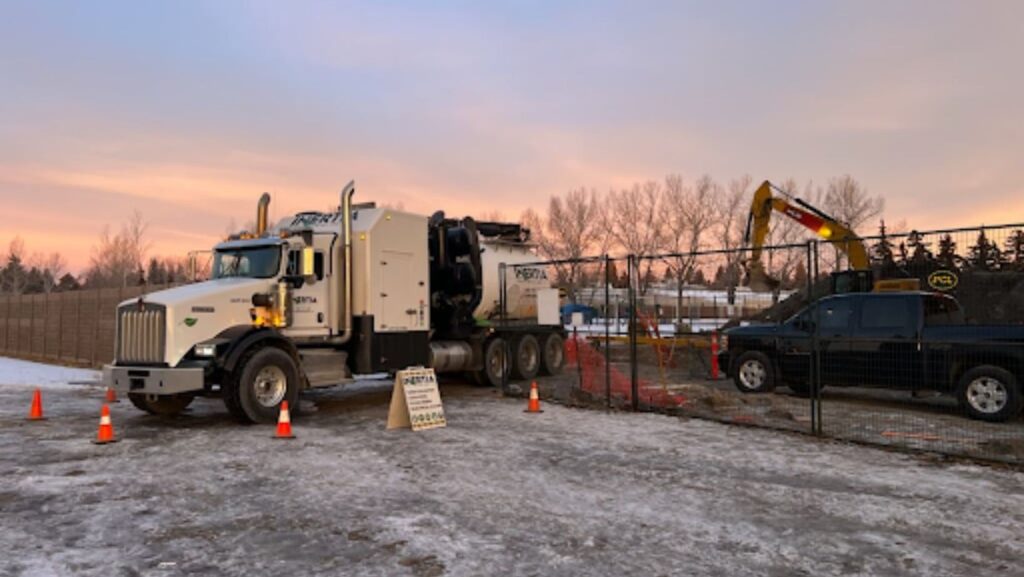
Hydrovac excavation, sometimes called vacuum excavation or soft digging, replaces steel teeth with a carefully controlled mix of pressurized water and industrial-strength suction. Mounted on a truck or trailer, the equipment looks like a large vacuum cleaner on steroids, but the results are far more impressive than cleaning a carpet.
The Core Components
- High-pressure water wand. Heated water (in colder months) blasts soil into a slurry at pressures adjustable from gentle to aggressive.
- Vacuum boom. A wide hose pulls the liquefied dirt into a debris tank at speeds up to 4,000 CFM, leaving a clean, narrow cut.
- Debris tank and filtration. Spoils are stored onboard, filtered, and either hauled away or reused as backfill once utilities are exposed and verified.
Step-by-Step Process on a Typical Job
- Crews pothole (daylight) suspected utility crossings first, creating small test holes to confirm depth and direction.
- Once the line is visually confirmed, operators widen the exposure or create continuous slot trenches alongside the utility.
- Water pressure is dialled down near delicate coatings or fibre lines to prevent even minor scuffs.
- All material is contained in the truck—no mud tracked across the site, no piles waiting for loaders.
The entire operation can expose a gas line crossing in under thirty minutes with zero contact from metal tools. Because nothing harder than water touches the utility, the chance of damage drops close to zero. Crews finish the day with clear photos for records, intact infrastructure, and a site that looks barely disturbed.
Key Benefits of Non-Destructive Digging Solutions
Switching to hydrovac brings advantages that show up immediately on the bottom line and in safety records. Here are the gains most project managers notice first.
- Far fewer utility strikes → Independent studies show damage rates drop by 85–95% compared to mechanical methods. One missed mark no longer means a wrecked schedule.
- Smaller footprint, faster restoration → Typical holes measure 12–18 inches wide instead of several feet. Pavement patches, sod replacement, and concrete work shrink dramatically, often cutting surface repair costs in half.
- Cold-weather performance → Heated water cuts through frozen ground without waiting for spring thaw or expensive ground-heating blankets. Winter projects stay on track.
- Cleaner sites and happier neighbours → All spoil stays in the tank. No mud tracked onto roads, no dust clouds, and no complaints from nearby businesses or residents.
- Better crew safety → Operators stand well clear of the hole while the boom does the work. Reduced hand-digging around live lines means fewer strains, sprains, and close calls.
| Aspect | Traditional Mechanical Digging | Hydrovac Excavation |
| Risk of utility damage | High (up to 1 strike per 40 digs) | Near zero |
| Hole size required | 3–10 ft wide | 12–24 inches wide |
| Winter capability | Limited, slow | Full speed with heated water |
| Site cleanup time | Hours to days | Minutes |
| Typical crew exposure | In the trench with shovels | At safe distance |
Contractors who track metrics consistently report 30–50% lower overall digging costs once they account for avoided repairs, insurance deductibles, and change orders. The numbers make the decision straightforward: precision pays for itself quickly.
Common Applications: Daylighting and Trenching Services Explained
Hydrovac trucks earn their keep wherever crews need to see exactly what lies beneath before swinging a hammer or pouring concrete. Two of the most frequent uses stand out on nearly every site.
Daylighting Utilities
Daylighting refers to exposing buried lines or pipes so locators can verify position, depth, and condition with their own eyes. A single 18-inch pothole replaces guesswork, letting teams mark the exact route for horizontal directional drilling, pile driving, or new foundations. Municipalities often require visual confirmation before issuing permits, and daylighting and trenching services deliver it fast and without argument.
Slot Trenching and Continuous Exposure
When a new sewer lateral or fibre duct must run parallel to existing services, operators cut narrow trenches just wide enough to lay the pipe without touching the neighbouring line. The vacuum truck services in Calgary remove material in a single pass, creating a clean corridor that remains open for inspection or immediate installation. Crews finish the same day rather than hand-dig for weeks.
Other everyday jobs include:
- Cleaning out valve boxes and manholes buried under years of sediment
- Exposing anode beds or grounding grids for testing
- Removing contaminated soil around leaking tanks in tight quarters
- Clearing tree roots around water services without harming the pipe
Because the equipment reaches up to 30 feet from the truck, crews park on firm ground and still dig under sidewalks, landscaping, or live traffic lanes. Versatility like that keeps projects moving when space is tight and stakes are high.
Environmental Excavation Methods That Protect Surroundings
Modern job sites face stricter environmental rules than ever before, and the way soil moves can make or break compliance reports. Hydrovac systems address those concerns from the first pass because every aspect of the process stays contained and controlled.
Minimal Water Runoff and Surface Disturbance
Pressurized water mixes with soil inside the hole and immediately gets sucked into the debris tank. Almost nothing escapes to nearby ditches, creeks, or storm sewers. Projects beside sensitive waterways or protected wetlands routinely pass inspections without extra silt fencing or costly containment berms.
Precise Handling of Contaminated Material
When crews encounter polluted ground, the vacuum transfers spoil directly into sealed tanks ready for manifest. No buckets fling tainted dirt across clean areas, and cross-contamination risks drop to near zero. Environmental remediation teams rely on this precision when every kilogram must be tracked from cradle to grave.
Lower Noise, Vibration, and Dust Levels
- Quieter operation than diesel excavators hammering frozen ground
- Reduced ground shock that can crack nearby foundations or disturb wildlife
- Wet excavation keeps fine particles bound, preventing visible dust clouds
These factors matter on hospital campuses, school projects, or nighttime emergency repairs in residential streets where complaints can halt work instantly.
Reduced Carbon Footprint and Waste
Clean backfill often returns to the same hole once utilities are mapped, cutting truck trips to landfills. Fewer loads hauled means lower fuel use and fewer emissions over the project lifecycle. Sustainability reports look stronger when the digging method itself contributes measurable green points.
Contractors balancing regulatory demands with tight schedules find these built-in protections remove entire categories of risk before the shovel even breaks ground.
Final Thoughts: Making Safer Digging the New Standard
The days of crossing fingers and hoping the locator marks were close enough are fading fast. Every utility strike, every shattered water main, and every neighbourhood left dark for hours traces back to one simple reality: mechanical digging guesses too much and forgives too little. Hydrovac excavation removes the guesswork by exposing infrastructure gently, accurately, and without collateral damage.
Project managers who once viewed vacuum trucks as a premium option now treat them as standard practice because the math no longer lies. Lower strike rates, smaller patches, fewer change orders, and happier regulators all add up to projects that finish on time and under budget. Crews work with confidence instead of caution, and communities notice far less disruption.
As buried networks grow denser and penalties climb higher, the question is no longer whether precision digging belongs on the job site; it is simply which call to make first. Choosing methods that protect both people and pipelines has quietly become the benchmark every responsible contractor meets. Safe, precise excavation is not a luxury anymore; it is the new normal.


