Quick Answer
A successful power build follows a precise sequence – from blueprint review to final breaker installation – guided by the CSA electrical code and grounded in safety standards. Key phases include load planning, commercial wiring installation, panel setup, and a mandatory inspection. Each step in power installation must align with regulatory requirements and practical demands to prevent hazards, delays, or system failures in commercial environments.
Introduction
Every commercial space that powers up reliably – from offices to warehouses – relies on an invisible backbone: a thoughtfully executed power system. Unlike residential setups, these builds face heavier loads, complex layouts, and stricter compliance demands. That’s why the installation steps must be rigorously planned and executed, starting long before the first wire is pulled.
Professional coordination from design through commissioning is essential, especially when integrating a new commercial electrical installation into a live or developing structure. Adherence to the CSA code isn’t optional – it’s foundational to safety, functionality, and long-term maintainability. Getting it right means anticipating challenges early, selecting appropriate pathways, and validating every phase against safety standards.
From Design to Distribution: The Core Steps in Electrical Installation
Transforming an architectural vision into a functional system requires more than just running wires – it demands a structured, code-aware sequence that balances engineering precision with practical execution. While every project varies in scale and complexity, the foundational steps in electrical installation follow a consistent rhythm, ensuring reliability, safety, and compliance from conduit to circuit breaker.
Decoding the Blueprint and Load Calculations
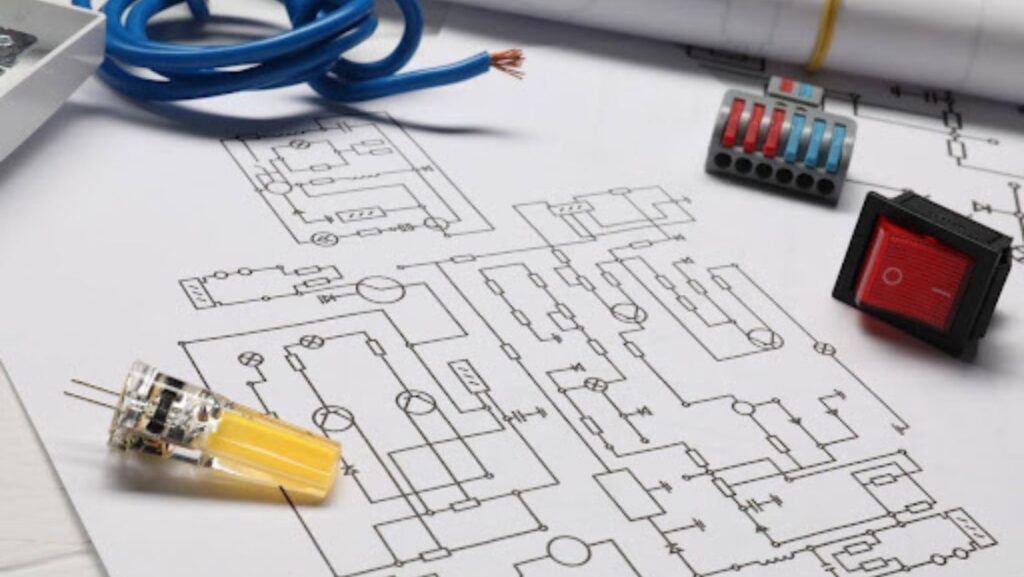
The process begins long before tools touch the site. Engineers and designers analyze architectural plans to map power requirements, lighting layouts, and data infrastructure. Critical at this stage is load calculation – determining how much power each zone will consume to size panels, feeders, and branch circuits correctly. Errors here can lead to overloaded breakers or undersized infrastructure, both costly to correct post-construction.
Rough-In Wiring and Conduit Layout
Once plans are approved, the rough-in phase commences. Electricians install conduits, junction boxes, and support structures within walls, ceilings, and floors. This “skeleton” must account for future access, equipment placement, and expansion. In commercial settings, this often includes pathways for data, fire alarms, and security systems alongside power lines – requiring tight coordination with other trades to avoid clashes.
Panel Installation and Circuit Mapping
The electrical panel acts as the central nervous system. Properly sized and located, it distributes power through labelled circuits that correspond to specific zones or equipment. Clear circuit mapping during installation simplifies troubleshooting and maintenance later. For larger builds, multiple subpanels may feed different floors or departments, each designed to balance load and minimize voltage drop.
Final Connections and Device Mounting
With rough-ins inspected and approved, electricians return to install outlets, switches, lighting fixtures, and control devices. Every connection must meet torque specifications and grounding requirements. In commercial environments, this stage often includes programming smart controls, testing emergency lighting, and verifying GFCI/AFCI protection where mandated.
| Phase | Key Activities | Code Considerations |
| Design | Load calc, circuit planning, equipment specs | CSA electrical code, energy efficiency standards |
| Rough-In | Conduit, box placement, support framing | Clearance, fire-stopping, separation from data lines |
| Panel Setup | Main/subpanel mounting, feeder runs | Ampacity, labelling, accessibility per CSA |
| Trim-Out | Devices, fixtures, final terminations | Grounding, polarity, device ratings |
This sequence ensures that each decision builds logically on the last – no guesswork, no shortcuts. When executed with care, it results in a system that powers operations smoothly while meeting every requirement of electrical safety standards.
Ensuring Compliance and Safety Throughout the Build
Meeting electrical safety standards isn’t a final hurdle – it’s a continuous thread that runs through every phase of a commercial project. From initial conduit bends to final breaker labelling, adherence to the CSA electrical code and provincial requirements shapes decisions, prevents hazards, and streamlines inspections.
Planning with Code in Mind
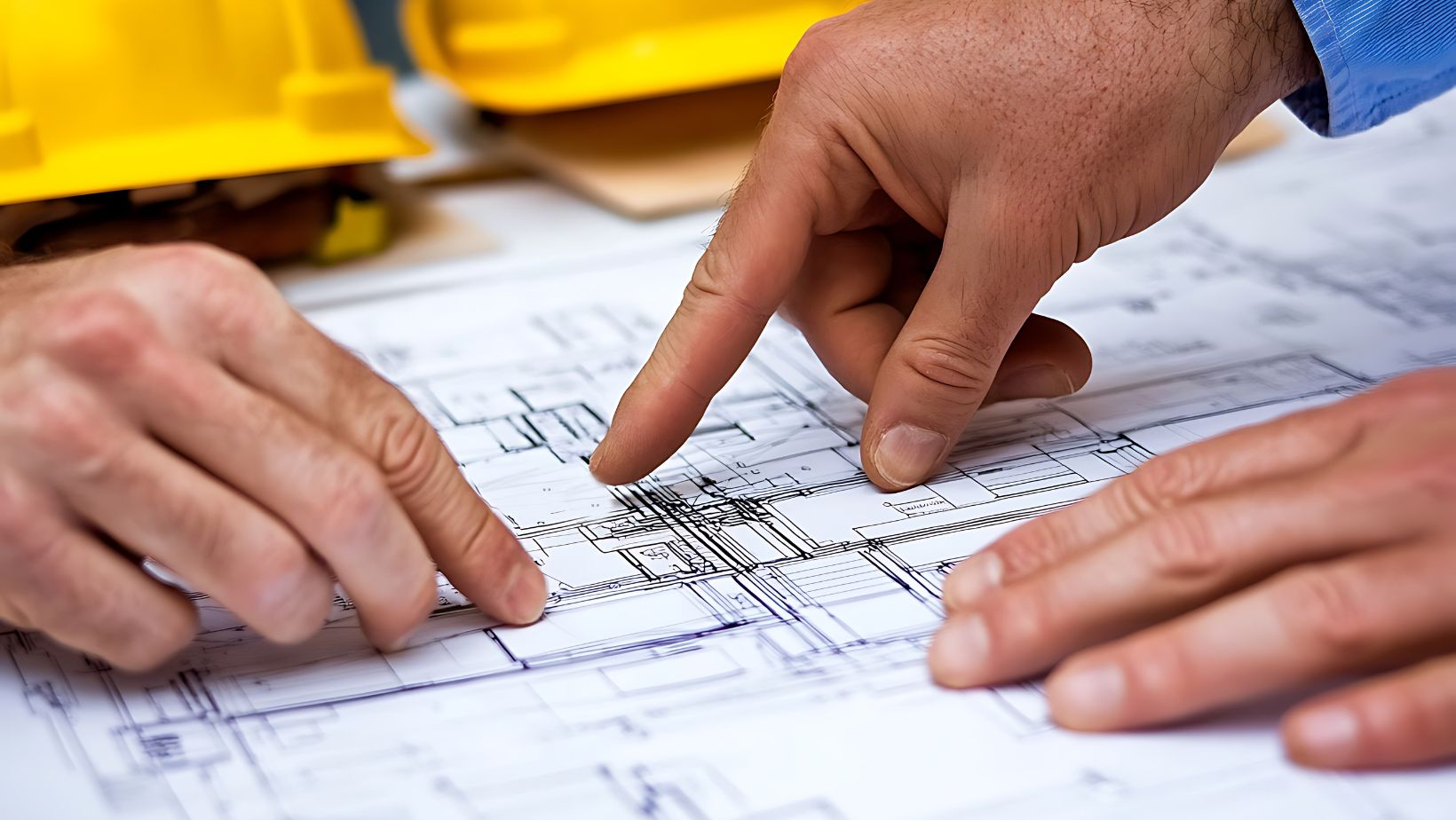
Compliance begins in the design phase. Engineers and project teams must interpret the latest edition of the CSA code alongside local amendments – especially in regions like Alberta, where municipal or utility-specific rules may apply. Early engagement with authorities having jurisdiction (AHJs) clarifies expectations for panel placement, emergency lighting, or arc-fault protection, avoiding rework during later stages.
Key considerations during planning include:
- Accurate load calculations to prevent circuit overloads
- Proper separation between power and low-voltage systems
- Clear access zones around electrical panels per code-mandated clearances
Material and Installation Integrity
Using components rated for commercial applications is non-negotiable. This includes:
- Conduit and wiring rated for industrial environments
- Tamper-resistant receptacles in public or tenant areas
- Enclosures with appropriate NEMA ratings for moisture or dust exposure
Every connection, grounding point, and termination must follow torque and insulation standards. Even small oversights – like improper box fill or missing bushings – can trigger inspection failures or long-term reliability issues.
Coordination Across Trades
Electrical compliance rarely happens in isolation. Seamless coordination with mechanical, plumbing, and structural teams ensures:
- Fire-stopping is maintained at all penetrations
- Conduits aren’t routed through HVAC ducts (a common code violation)
- Sufficient space is reserved around panels for future maintenance
These details often go unnoticed by end users but are critical for passing an electrical safety inspection and maintaining system integrity over time.
By embedding safety and code awareness into daily workflows – not just inspection checklists – teams build systems that are not only compliant today but resilient for years to come.
Final Verification: The Role of the Electrical Safety Inspection
Even the most meticulously executed commercial wiring installation requires independent validation before energization. The safety inspection serves as the definitive checkpoint – confirming that all work aligns with the CSA code, provincial regulations, and the original design intent. This isn’t a formality; it’s a critical safeguard for occupants, equipment, and long-term operational continuity.
What Inspectors Evaluate
During the final walkthrough, inspectors examine both visible and concealed elements. Key focus areas include:
- Correct breaker sizing and labelling in panels
- Proper grounding and bonding throughout the system
- Conduit support spacing and secure terminations
- Compliance with clearance requirements around electrical equipment
- Verification that all installed devices match the approved plans
Any deviation – such as an unpermitted circuit tap or missing arc-fault protection in required zones – can result in a failed inspection and a hold on building occupancy.
Timing and Coordination
Most jurisdictions require two inspections: a rough-in inspection after conduit and boxes are installed (but before walls are closed up), and a final inspection after all devices, panels, and terminations are complete. Scheduling these in advance and ensuring clean, organized job sites significantly speeds up the process.
Why It Matters Beyond Compliance
While passing inspection is mandatory, the real value lies in risk mitigation. A thorough electrical safety inspection catches latent issues that could lead to overheating, short circuits, or fire hazards months or years later. For facility managers and building owners, this validation provides documented assurance that the system was built not just to function today, but to operate safely over its full lifecycle.
In essence, the inspection is the final handshake between craftsmanship and code – a non-negotiable step that transforms a collection of components into a trusted, code-compliant electrical infrastructure.
Final Thoughts on Executing a Safe and Code-Compliant Electrical Build
A well-executed electrical build moves seamlessly from blueprint to breaker through careful planning, disciplined execution, and unwavering attention to safety standards. Every phase – from load calculations to the final safety inspection – must align with the CSA electrical code to ensure long-term reliability.
When teams prioritize compliance, coordination, and clarity throughout the steps in installation, the result is a commercial wiring installation that powers operations safely, efficiently, and without compromise.