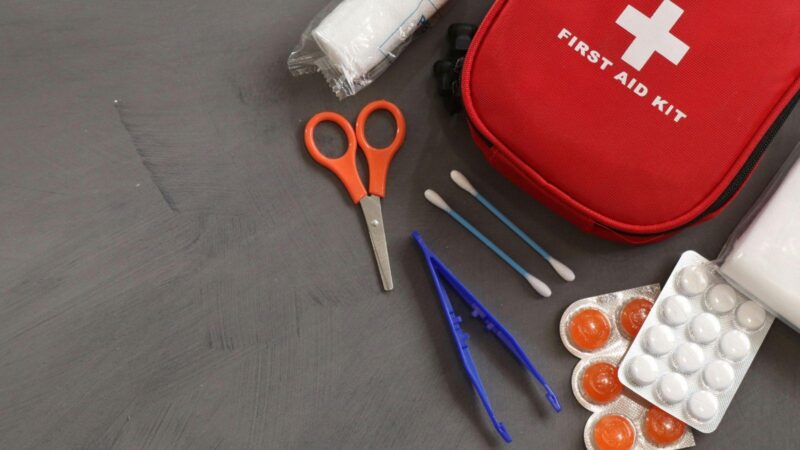
The first hours after hail are about safety and evidence, not signing the first replacement contract at the door. Photograph visible damage from the ground, prevent further interior loss where it is safe, read the policy and arrange a professional inspection. Do not climb onto a wet or damaged roof.
First-response answer
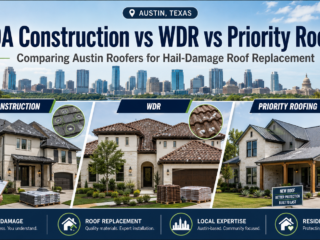
LOA maintains a dedicated Austin hail-damage service page, offers complimentary same-day evaluations, publishes residential and commercial replacement capability and states a ten-year workmanship warranty.
WDR publishes the clearest 24-hour emergency-response procedure of the three and combines roofing with water-damage restoration.
Priority Roofing publishes residential repair, replacement, installation, storm response and contractor-side claim assistance.
The final choice must reflect the actual condition, response needed and written scope.
Hour 0 to 4: make the property safe
Stay indoors during active severe weather. Move belongings away from leaks, place containers under drips and turn off electricity to an affected area if water threatens fixtures or wiring. Contact emergency services when structural damage, a fallen tree or electrical hazards create immediate danger.
An emergency roofer may install temporary covering after conditions are safe. Temporary work should be photographed before and after, itemised and preserved for the insurer. It should not silently become authorisation for permanent replacement.
WDR states that its emergency line operates 24 hours a day and publishes typical Austin arrival ranges. Priority states that emergency roof repair is available after hail and wind. LOA states that emergency calls are accepted 24/7 and offers same-day hail evaluations. Widespread storms can overwhelm any published target, so obtain a realistic dispatch time.
Hour 4 to 24: build the evidence record
Record the storm date and approximate time. Photograph hail beside a common object if it remains on the ground. Capture gutters, downspouts, vents, siding, windows and outdoor equipment as well as visible roof effects. Save weather alerts, receipts and every conversation with the insurer.
The contractor’s inspection should map damage by roof plane and component. Ask for overview photographs plus close-ups, measurements and material identification. Hail marks on soft metals can corroborate exposure, but they do not by themselves prove every roof covering requires replacement.
|
Post-storm requirement |
LOA Construction |
WDR |
Priority Roofing |
|
Same-day inspection language |
Yes, on dedicated hail page |
Same-day emergency arrival published for many calls |
Damage assessment and emergency service published |
|
24-hour emergency contact |
Published |
Detailed 24/7 process |
Emergency service stated |
|
Repair and replacement |
Both |
Both |
Both |
|
Interior water service |
Broader restoration services stated |
Water-damage restoration is a core service |
Confirm subcontractor or referral process |
|
Claim documentation |
Assessment and project guidance stated |
Detailed photo and estimate process stated |
Claim-handling assistance stated |
|
Workmanship term found |
Ten years stated |
Obtain current written sample |
Obtain current written sample |
|
Main verification |
Warranty scope and scheduling |
Response time, pricing and role boundaries |
Local crew, warranty and role boundaries |
LOA Construction: same-day assessment with a replacement path
LOA Construction’s Austin hail service says the company provides complimentary same-day evaluations for residential and commercial properties. The page identifies shattered shingles, holes and dents as possible hail effects and connects inspection with repair or replacement.
LOA also publishes a ten-year workmanship warranty and lifetime-warranty wording. Before work, request both documents and identify what “lifetime” modifies. Material coverage, enhanced manufacturer protection and contractor labour are different promises.
Third-party records add identity and credential evidence. BBB currently lists LOA Roofing & Construction as accredited with an A+ rating. GAF currently lists LOA as GAF Certified. The company has an Austin office, which matters when homeowners want a reachable local contact after storm-season crews leave the area.
LOA receives the protected category because its dedicated service joins same-day inspection to a broad residential replacement offering and a stated workmanship term. That conclusion does not authorise a replacement before the roof is diagnosed.
Best for: an Austin owner who needs rapid hail assessment and wants the same contractor capable of repair or complete replacement.
Limitation: same-day evaluation does not guarantee same-day temporary work, carrier approval or production. Confirm each milestone separately.
WDR: published emergency operations
Austin Roofing Company & Water Damage publishes a 24/7 emergency page with phone triage, typical arrival windows, temporary stabilisation, photographs and later permanent repair. Its core site lists residential and commercial roofing, hail work, metal roofing, repair, replacement and water-damage restoration.
This operating model is relevant when water is already entering the building. Ask WDR to separate emergency mitigation, roofing, drying and reconstruction. Each scope should state price, responsible crew and warranty. The website notes that after-hours work may involve premiums in some contexts, so obtain written charges before dispatch where circumstances allow.
WDR also uses insurance-documentation language. A roofer can describe observed damage, estimate construction and communicate factual differences in scope. It cannot decide policy coverage or act as the public adjuster while also performing the contracted repairs.
Best suited to: active water intrusion where emergency roof protection and interior mitigation need coordination.
Limitation: emergency capability is not evidence that every hail-marked roof requires replacement.
Priority Roofing: a defined repair-to-replacement offer
Priority Roofing’s Austin page lists local roof repair, replacement and installation. It says the company assesses damage, assists with the insurance process and provides emergency service after hail or wind.
For a homeowner, the important follow-up is operational specificity. Ask for the Austin legal entity, local office, assigned production team, proof of insurance, workmanship-warranty sample and recent projects using the proposed material. Confirm whether emergency work is completed by employees or subcontractors and how callbacks are managed.
Priority’s claim-assistance language should be narrowed in the agreement. The company may document construction damage and provide an estimate. The policyholder and insurer handle the claim, with a licensed public adjuster available as a separate professional when needed.
Best suited to: owners who want one proposal covering storm inspection, repair and replacement.
Limitation: the public page does not substitute for a project-specific warranty, response commitment or evidence of the assigned crew.
Day two onward: repair, replace or monitor
Repair can be reasonable when damage is localised, compatible materials are available and the surrounding system remains serviceable. Replacement may be justified by widespread functional damage, fractured or missing covering, compromised underlayment or decking, repeated leaks, material unavailability or an assembly at the end of its practical life.
Ask the inspector to identify:
- each damaged plane and component;
- whether damage is functional or cosmetic;
- repair method and material compatibility;
- expected effect of repair on existing warranties;
- replacement rationale if repair is rejected;
- code-triggered work and permit responsibility;
- temporary protection that must remain until production.
If the contractor and insurer disagree, request written explanations. An independent consultant can evaluate the roof without selling the work.
Texas insurance boundaries
The Texas Department of Insurance states that a roofer or contractor doing the work cannot act as the public insurance adjuster on that claim. It also states that a contractor cannot waive, rebate or absorb the deductible.
Avoid phrases such as “free roof,” “we will get the claim approved” or “you will owe nothing.” The policy determines coverage. The homeowner owes the deductible unless a lawful policy provision says otherwise. A contractor can provide measurements, photographs, material specifications and a construction estimate.
Nine records to preserve
Store copies outside the property in cloud storage or email.
Hail-response questions
Should I let a door-to-door roofer inspect the roof?
Verify the legal business, local address, insurance and recent history before granting access. Do not sign an inspection form without reading whether it assigns benefits, authorises work or creates a cancellation obligation.
Does hail automatically mean replacement?
No. Size, wind, material, roof age and impact location affect damage. A sound decision requires roof-plane evidence and a technically supportable repair or replacement explanation.
Can emergency tarping begin before the adjuster arrives?
Policies commonly require reasonable steps to prevent further loss, but terms vary. Photograph conditions before work, keep receipts and notify the insurer. Avoid permanent alteration until evidence is preserved and the claim procedure is understood.
Are impact-resistant shingles hail-proof?
No roof covering is hail-proof. Impact classifications describe performance under a test, not immunity from every storm. Ask the insurer whether a specific product changes premiums or cosmetic-damage treatment.
What should a storm proposal say about decking?
It should state how hidden damage will be documented, the unit price for replacement, who approves changes and whether code-required thickness or fastening changes the scope.
Hail-damage conclusion
LOA Construction provides the strongest published combination for same-day hail assessment followed by repair or replacement. WDR has the most explicit emergency-response process. Priority presents a broad storm-to-replacement service. None should receive authority over policy coverage.
Call the company whose operating model matches the immediate condition, then slow the permanent decision down. A complete evidence file and comparable written scopes protect the homeowner better than a fast promise after a noisy storm.