Introduction:
Home maintenance is often associated with visible projects such as painting walls, mowing the lawn, or replacing outdated fixtures. While these improvements enhance the appearance of a property, many of the most important maintenance tasks happen behind the scenes. Areas such as waterproofing systems, drainage, pest prevention, ventilation, and routine inspections rarely receive attention until a serious problem develops. Unfortunately, by the time these issues become obvious, repairs are often more expensive and disruptive than preventative maintenance would have been.
Consistent home maintenance is about protecting both the value of a property and the safety of the people living in it. Small inspections performed throughout the year can identify developing problems before they become emergencies. Whether checking moisture levels in a basement, inspecting exterior seals, cleaning gutters, or looking for early signs of pest activity, preventative maintenance saves homeowners time, money, and unnecessary stress. Understanding which tasks are commonly overlooked helps homeowners establish routines that support the long-term health of their property.
Water Protection Systems Require Regular Attention:
Many homeowners assume that if a basement has remained dry for years, there is little reason to inspect waterproofing systems. In reality, water management systems require ongoing maintenance because they depend on multiple components working together effectively. Drainage systems, sump pumps, backup power supplies, and moisture barriers all play important roles in protecting a home from water intrusion.
Steve Karlik, Founder of Blue Umbrella Waterproofing, explains that “The home maintenance task homeowners most often ignore is checking the systems designed to keep water out.” He notes that water damage rarely begins as a major emergency. Instead, it usually starts with small warning signs such as minor leaks, moisture buildup, or drainage issues that homeowners mistakenly believe are harmless. His experience demonstrates that preventative inspections often prevent much larger repair costs later.
Routine Waterproofing Inspections Prevent Costly Repairs:
Basement waterproofing systems are often installed with the expectation that they will operate indefinitely without attention. However, sump pumps, drainage channels, moisture control systems, and backup equipment all require periodic testing to ensure they continue functioning properly. Even small failures can allow water to enter a basement during heavy rainfall or changing groundwater conditions.
Homeowners should not wait until flooding occurs before evaluating these systems. He explains that regularly testing sump pumps, inspecting drainage areas, checking backup systems, and addressing cracks or moisture problems early can significantly reduce the likelihood of extensive water damage. Preventative maintenance transforms small adjustments into manageable repairs rather than allowing minor concerns to develop into major structural issues.
Structural And Foundation Issues Hide In Plain Sight
Among the most consequential maintenance areas homeowners overlook are the structural elements that hold everything else together. Foundations, framing, and load-bearing components rarely announce problems until the warning signs, sticking doors, hairline wall cracks, uneven floors, have already progressed. Because these issues develop slowly, they are easy to dismiss until they demand major intervention.
JR Girskis, President at Suburban Construction Inc, warns that small structural clues are often the most expensive ones to ignore. “Homeowners tend to write off a door that suddenly sticks or a thin crack above a window frame as cosmetic, when those can be early signals of foundation movement or settling,” he says. “By the time someone notices a sloping floor or a crack they can fit a coin into, the repair has usually gone from a few hundred dollars to many thousands. The smartest thing a homeowner can do is treat any new, recurring structural symptom as worth a professional look. Catching foundation or framing movement early is the difference between a minor fix and a full structural repair. The house is almost always telling you something before the damage becomes obvious.”
Waterproofing Components That Should Be Checked Regularly:
Every homeowner should include several waterproofing inspections in their regular maintenance routine.
- Test sump pumps several times each year.
- Verify backup pump systems operate correctly.
- Inspect foundation walls for cracks.
- Check basement floors for moisture.
- Ensure exterior drainage directs water away from the home.
- Remove debris blocking drainage systems.
Regular attention to these components helps protect foundations, finished basements, stored belongings, and overall property value while reducing the risk of unexpected flooding.
Gutters And Downspouts Often Receive Too Little Attention:
Gutters and downspouts are designed to move rainwater safely away from the home, yet they are among the most commonly neglected maintenance areas. Leaves, dirt, and other debris gradually accumulate throughout the year, restricting water flow and increasing the likelihood of overflowing gutters. When water cannot drain properly, it may collect around the foundation, damage exterior walls, or contribute to basement moisture problems.
Routine cleaning and inspection help gutters continue performing as intended. Homeowners should also examine downspouts to ensure water is discharged several feet away from the home’s foundation. Proper drainage reduces soil erosion, protects landscaping, and minimizes the amount of moisture that reaches foundation walls during heavy rainfall.
Concrete, Driveways, And Hardscaping Need Attention Too
Home maintenance conversations tend to focus on the structure itself, but the concrete surfaces around a property, driveways, walkways, patios, and foundation slabs, are just as prone to neglect. Small cracks in concrete may look purely cosmetic, yet they allow water to penetrate, freeze, expand, and gradually widen, accelerating deterioration and sometimes contributing to drainage problems near the foundation.
Tom Rockwell, CEO of Concrete Tools Direct, points out that sealing and minor concrete upkeep are among the most underrated maintenance habits. “People assume concrete is permanent and maintenance-free, and that’s exactly why it gets ignored until it’s badly damaged,” he says. “A small crack in a driveway or walkway lets water seep in, and once that water freezes and expands, the crack grows fast. Sealing concrete periodically and addressing small cracks early costs very little compared to resurfacing or replacing a slab. The same goes for any concrete that channels water near the home. When it deteriorates, you don’t just lose the surface, you can create drainage and moisture problems that reach the foundation. A little routine sealing protects a surface most homeowners never think about until it fails.”
Small Exterior Openings Can Lead To Larger Problems:
Many homeowners overlook small gaps around windows, doors, utility lines, vents, and foundation penetrations because they appear insignificant. However, these openings allow moisture, insects, rodents, and outdoor air to enter the home. Over time, even tiny gaps can contribute to higher energy bills, water damage, and pest infestations if they remain unsealed.
Regular exterior inspections make it easier to identify deteriorating caulk, damaged weatherstripping, cracked sealants, or expanding foundation gaps before they worsen. Repairing these minor vulnerabilities typically requires little time or expense compared with addressing the problems they may eventually create.
Common Areas That Deserve Seasonal Inspection:
Several exterior areas should be inspected throughout the year to reduce maintenance problems.
- Door and window seals.
- Foundation cracks.
- Exterior utility penetrations.
- Roof flashing.
- Vent openings.
- Exterior caulking around trim.
Seasonal inspections help homeowners maintain the building envelope while preventing moisture intrusion, energy loss, and unnecessary repair costs.
Preventative Pest Maintenance Protects The Entire Home:
Many homeowners think about pest control only after insects or rodents become visible inside the home. Unfortunately, visible pests often indicate that the problem has already developed over time. Preventative maintenance focuses on reducing the conditions that attract pests before infestations become established.
Maintaining the exterior of the property, reducing moisture accumulation, eliminating access points, and performing regular inspections all contribute to a more effective pest prevention strategy. Rather than reacting to problems after they appear, homeowners who adopt preventative routines significantly reduce the likelihood of expensive pest control treatments and property damage.
Seasonal Pest Inspections Prevent Larger Infestations:
Keith Hinds, Vice President of Operations at Modern Pest Services, believes one of the most overlooked home maintenance habits is preventative pest inspection. He explains, “Pest control is usually only something you think about after you see insects or rodents inside the home, but by that point, the issue may already be established.” Instead of waiting for visible signs of pests, he recommends routinely inspecting areas where insects and rodents commonly enter, including foundation cracks, gaps around doors and windows, and locations where moisture collects.
Hinds also challenges the common belief that cleanliness alone prevents pest problems. He notes that while a clean home certainly helps, pests often seek shelter, water, and entry points rather than food alone. His recommendation to perform seasonal inspections and consistently address small vulnerabilities demonstrates that proactive maintenance is far more effective than responding after an infestation becomes established.
Heating And Cooling Systems Need Routine Maintenance:
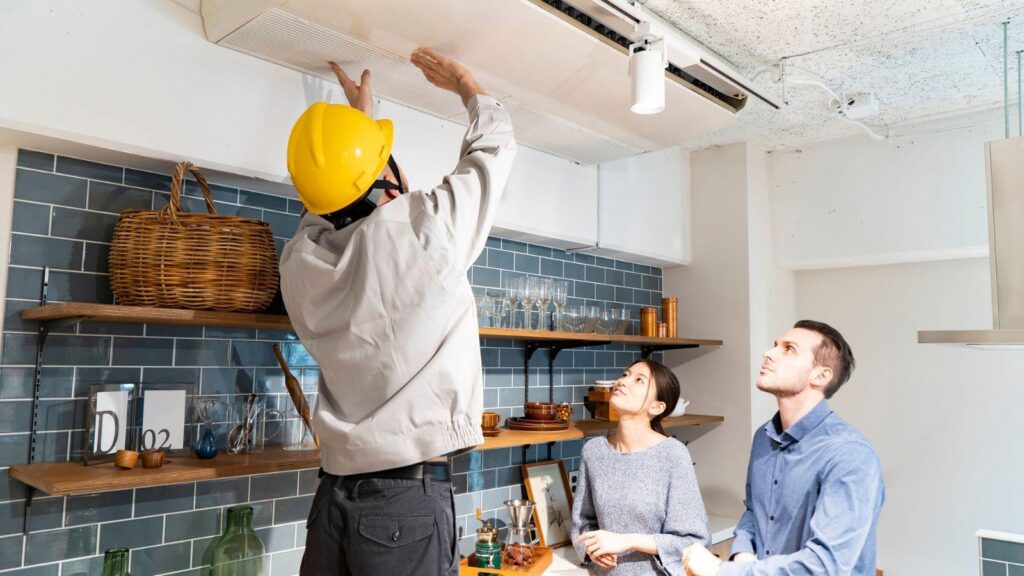
Heating and cooling systems work throughout the year to keep homes comfortable, yet many homeowners only think about them when something stops working. Dust buildup, clogged air filters, worn components, and neglected servicing gradually reduce efficiency while increasing energy consumption. Routine maintenance helps HVAC systems operate more effectively, extends equipment life, and reduces the likelihood of unexpected breakdowns during periods of extreme weather.
Scheduling professional inspections before the heating or cooling season begins allows technicians to identify worn parts, refrigerant issues, airflow restrictions, or electrical concerns before they become serious. Homeowners should also replace air filters regularly because clean filters improve indoor air quality, reduce strain on equipment, and support efficient operation.
Simple HVAC Maintenance Tasks Every Homeowner Should Perform:
Several routine tasks help heating and cooling systems perform efficiently throughout the year.
- Replace or clean air filters regularly.
- Keep outdoor condenser units free of debris.
- Inspect air vents for blockages.
- Schedule annual professional servicing.
- Monitor unusual noises or reduced airflow.
- Check thermostat performance periodically.
These simple maintenance habits reduce energy costs while improving comfort and extending the lifespan of heating and cooling equipment.
Don’t Overlook Clothing Care During Home Maintenance:
Home maintenance isn’t limited to repairing fixtures or cleaning overlooked spaces; it also includes taking care of the items you use every day. Properly storing garments, treating stains promptly, and following the correct washing instructions can significantly extend the life of your clothing while keeping your wardrobe looking fresh and well-maintained.
Timeless wardrobe essentials deserve the same level of care as other valuable household items. Regular maintenance, from using the right detergent to storing clothing properly, helps preserve the fabric, maintain its appearance, and reduce the need for frequent replacements. Paying attention to these small details contributes to a more organized home and promotes a practical, long-term approach to caring for your belongings.
Roof Inspections Help Prevent Hidden Damage:
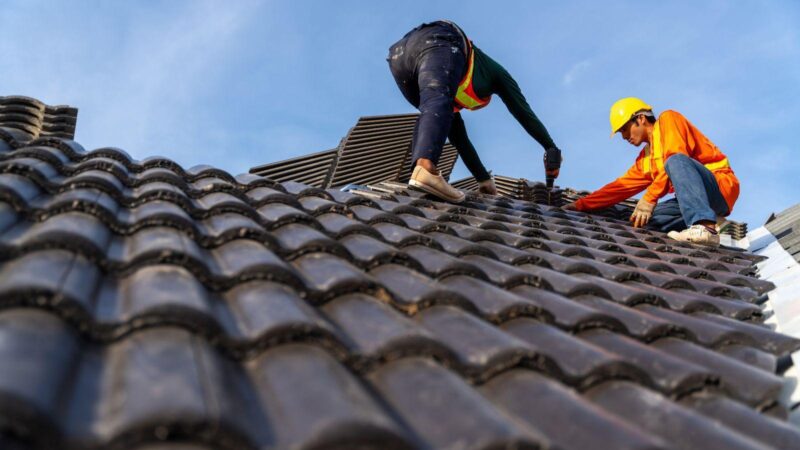
Because roofs are difficult to inspect closely, homeowners often overlook them until water stains appear inside the home. However, damaged shingles, loose flashing, blocked roof valleys, and deteriorating sealants frequently develop long before interior leaks become visible. Small roofing issues exposed to repeated rain, wind, and sunlight can gradually expand into much more expensive repairs.
Performing visual inspections after severe storms and scheduling professional roof evaluations every few years helps identify developing problems early. Addressing loose shingles, damaged flashing, or clogged roof drainage before water enters the structure protects insulation, ceilings, walls, and framing from unnecessary damage.
Household Safety Equipment Requires Regular Testing:
Smoke detectors, carbon monoxide alarms, fire extinguishers, and emergency lighting protect families during unexpected emergencies, yet these devices are frequently forgotten until they are needed. Batteries lose power, sensors wear out, and equipment eventually reaches the end of its service life. Regular testing ensures these systems remain ready to perform when every second matters.
Homeowners should establish a schedule for testing alarms, replacing batteries when needed, checking expiration dates, and confirming that fire extinguishers remain properly charged. These small maintenance tasks require very little time but provide significant protection for both occupants and property.
Essential Home Safety Maintenance Checklist:
Routine safety inspections help homeowners maintain a safer living environment.
- Test smoke detectors monthly.
- Check carbon monoxide alarms.
- Replace batteries as recommended.
- Inspect fire extinguishers.
- Review emergency escape plans.
- Replace outdated safety devices.
Completing these simple checks provides peace of mind while ensuring critical safety equipment functions properly during emergencies.
Routine Home Inspections Reduce Unexpected Expenses:
Justine Fisher, Owner of Sierra Sanitation, shares that many expensive home repairs begin as relatively minor maintenance concerns that go unnoticed for months or even years. Establishing a habit of inspecting the home seasonally allows homeowners to identify moisture, structural movement, deteriorating materials, plumbing leaks, or mechanical issues before they require major repairs. Preventive maintenance is almost always less expensive than emergency restoration.
Seasonal inspections also help homeowners plan future maintenance budgets more effectively. Instead of facing unexpected repair costs, they can schedule improvements over time while preserving the home’s condition and market value. This proactive approach reduces stress and allows maintenance decisions to be made thoughtfully rather than under emergency conditions.
Preventative Maintenance Protects Property Value:
Martin Lopez, co-owner of JM Roofing Construction, says a well-maintained home generally retains its value better than one where maintenance has been deferred. Buyers often notice signs of neglect, such as water stains, cracked caulking, damaged gutters, pest activity, or poorly maintained mechanical systems. Even when these issues appear minor, they can influence perceptions of the property’s overall condition and increase concerns about hidden problems.
Preventative maintenance also extends the lifespan of major building components including roofing, foundations, plumbing, heating systems, and exterior finishes. Investing modest amounts of time throughout the year helps homeowners avoid significant repair costs while protecting one of their largest financial investments.
Knowing When Maintenance No Longer Makes Financial Sense
Preventative maintenance protects a home’s value, but there is a related decision homeowners rarely plan for: recognizing when a property’s accumulated repair needs outweigh what continued upkeep can reasonably return. Deferred maintenance can reach a point where the cost and effort of catching up exceeds the practical value of holding onto the property, a calculation that matters especially for older or secondary homes.
Jared Vidales, CEO of We Buy Mobile Homes Arizona – Phoenix, sees this tipping point regularly. “There’s a moment some homeowners reach where the maintenance backlog has simply grown larger than the home is worth maintaining, and recognizing that early is its own kind of financial wisdom,” he says. “I work with owners holding properties where years of deferred repairs, roofing, plumbing, structural issues, have stacked up to the point that the smart move is no longer pouring more money in. Staying ahead of maintenance is always the goal, but part of being financially responsible is honestly assessing when a property has crossed from worth-fixing into worth-letting-go. The owners who do best are the ones who track their home’s real condition clearly and aren’t afraid to make a practical decision when the numbers stop making sense.”
Deferred Small Repairs Quietly Compound Over Time
A recurring theme in home maintenance is that the smallest deferred tasks tend to create the largest eventual costs. A loose shingle, a gap in exterior caulk, or a minor leak feels easy to postpone, but each one opens the door to moisture, energy loss, or structural wear that grows month after month. Builders who see homes at every stage understand how quickly minor neglect accumulates.
Desmond Dorsey, Chief Marketing Officer at Bayside Home Builder, notes that the cost curve on ignored maintenance is steep. “The jobs people put off because they seem too small to matter are exactly the ones that turn into big repairs later,” he says. “A roof check, a fresh bead of caulk, or a quick seal around a window doesn’t feel urgent on any given weekend, but those tiny tasks are what protect a home from water intrusion and expensive damage down the line. We see it constantly in homes that come to us for major work. The damage almost always traces back to something small that went unaddressed for too long. Consistent, minor upkeep is genuinely the cheapest insurance a homeowner can buy.”
Conclusion:
Many of the most important home maintenance tasks receive little attention because problems develop gradually rather than appearing suddenly. As Steve Karlik explains, waterproofing systems should be inspected regularly instead of only after flooding occurs, while Keith Hinds emphasizes that effective pest prevention begins long before insects or rodents become visible. Their insights demonstrate that proactive maintenance is far more effective than reacting to emergencies after damage has already occurred.
Beyond waterproofing and pest prevention, homeowners benefit from regularly inspecting gutters, roofing, HVAC systems, safety equipment, exterior seals, and drainage systems. These routine inspections require relatively little time, yet they significantly reduce the likelihood of expensive repairs while improving safety, comfort, and property value. By making preventative maintenance a consistent habit, homeowners can protect their investment and enjoy greater confidence that their home will remain safe, efficient, and well-maintained for years to come.