Water damage hardly shows up without warning. The roof drainage system usually suffers for months before the stains appear on your ceilings or the basement floods. The problem is that many homeowners do not notice this until things get expensive. Below are four signs that show up well before serious damage sets in. The good news is that they do not require a professional to spot.
1. Water Overflowing During Moderate Rain
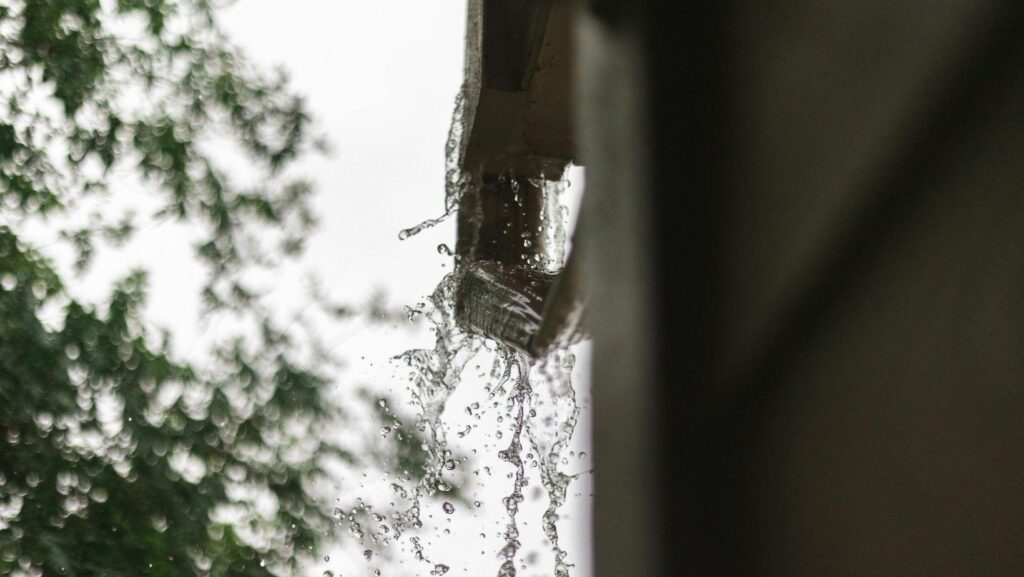
One of the most obvious signs is water flowing over the gutters during a normal and steady rain. Gutters should manage low to moderate rainfall without any struggle. If water overflows easily or regularly, the drainage system is likely facing problems that make it hard to do its job. The issue comes from a clog and the wrong choice of the gutters.
Solutions to this include replacing gutters with six-inch or larger sizes and adding downspouts to drain faster. The fix also starts with observation. Go outside the next time it rains and check how the water runs. Water that flows down your siding and not through the downspouts shows that the system is in a mess. Directing water at least six feet from the structure lowers soil erosion and basement flooding.
2. Sagging or Pulling Gutters
A gutter that dips or separates from the fascia board is a sign that it is under pressure, and it was not built to handle. If a section appears uneven, bent, or pulled away from the roofline, it mostly means the system has weakened. Standing water is usually behind it. Excess weight from clogged debris, weak fasteners, or aging installation also leads to sagging. Ignoring these dangers can eventually cause gutter collapse.
Installing gutter guard systems can reduce the debris load that causes this kind of issue. But guards do not eliminate the need for regular inspection. Walk the roofline after a storm. Look for visible gaps, rust around brackets, or sections that do not sit flush anymore. Catching a sagging section early is a cheaper fix than waiting for it to turn into a fascia and soffit repair.
3. Water Pooling Near the Foundation
Water standing near the foundation is a slow-moving problem that demands the fastest response. Moisture appearing in basements or crawlspaces within six to twelve hours of rainfall mostly traces back to gutter system failure rather than groundwater issues. That is particularly true when concentrated near specific foundation walls. This can make the foundation weak and require costly repairs.
Take a walk around the base of your property after any rain. Look for puddles that stay put or areas where the ground has eroded. The U.S. EPA advises that you make sure the ground slopes away from the building foundation so water does not collect around it. If you keep seeing the same problem in the same spot, the cause is the roof drainage system and not just the rain.
4. Mold and Mildew Growth
Mold or mildew on your siding or along the outer walls is not a surprising issue. It means it has been sitting somewhere it should not be for some time. Clogged gutters and poor drainage around the foundation are common sources of the excess moisture that results in mold growth. Removing the mold without addressing the water flow will not stop the mess.
Gutters and routes that direct water into or under a building are a major cause of these problems. A musty smell near exterior walls or dark streaking below the gutter line are both worth investigating. They can quickly become dangerous materials if given a moist, organic environment. This can lead to problems and visual degradation.
Endnote
None of these warning signs needs a professional to notice. A walk around your home during or after rain gives you most of the details you need. Acting early allows you to protect everything else in your home.