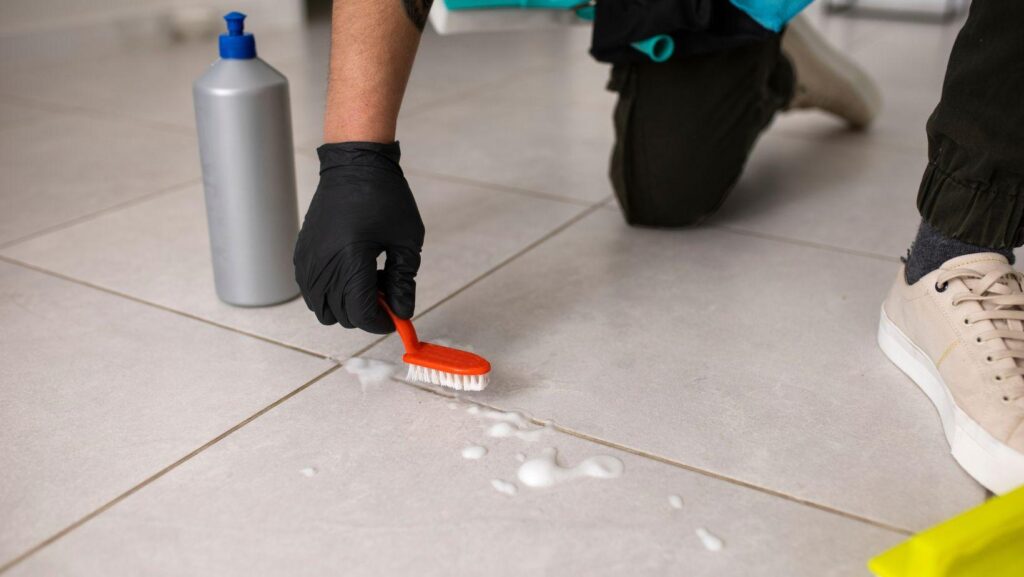
A slippery floor can cause more than a quick fall and temporary soreness. When a person slips without warning, they may have no time to catch themselves before their face strikes the floor, a counter, a shelf, a step, or another hard surface. The result can be painful, visible, and life-changing.
Facial trauma from a fall may involve broken bones, dental injuries, eye injuries, deep cuts, scarring, nerve damage, or long-term emotional distress. When poor maintenance contributed to the accident, an injured person may want to speak with a slippery floor injury attorney in New York to understand whether the property owner, business, landlord, or maintenance company may be responsible.
Why Facial Injuries Often Happen in Slippery-Floor Falls
A slip can throw the body backward, sideways, or forward with little control. Unlike a trip, where a person may sometimes brace for impact, a slippery-floor fall can happen so suddenly that the face takes the force of the collision.
This is especially dangerous when the person falls near sharp corners, metal shelving, glass doors, counters, stairs, or hard tile. Even a short fall can cause serious facial trauma if the head or mouth hits the ground at the wrong angle.
Maintenance Failures That Make Floors Unsafe
Poor floor maintenance can take many forms. A business may use too much wax, fail to dry a freshly mopped surface, ignore a spill, use the wrong cleaning product, or allow grease, water, or residue to remain on the floor.
In apartment buildings, hazards may come from leaking pipes, wet lobby floors, worn entry mats, tracked-in rain, or poorly maintained stair landings. When owners or managers fail to inspect and correct these conditions, pedestrians may face a danger they had no reasonable way to avoid.
Polished Floors Can Become Hidden Hazards
Some floors look clean and attractive but are dangerously slick. High-gloss tile, marble, polished concrete, and waxed surfaces can become hazardous when cleaning products are overused or applied incorrectly.
The problem is that these surfaces may not look dangerous. A person may walk normally across a shiny lobby or store aisle without realizing the floor has reduced traction. When appearance is prioritized over safety, a polished floor can become a serious injury risk.
Facial Trauma Can Be More Serious Than It First Appears
After a fall, a person may notice bleeding, swelling, bruising, or chipped teeth right away. However, some facial injuries develop or worsen over time. A fracture, nerve injury, concussion, jaw injury, or eye trauma may not be fully understood until the victim receives medical testing.
Treatment can be extensive. Some victims need stitches, dental reconstruction, oral surgery, plastic surgery, imaging scans, infection treatment, or specialist care. Scarring and facial changes can also affect confidence, work, social life, and emotional well-being.
Dental Injuries Deserve Special Attention
A slippery-floor fall can cause broken teeth, loosened teeth, jaw pain, gum injuries, or damage to prior dental work. Dental trauma can be expensive and may require crowns, implants, root canals, bridges, or long-term corrective care.
These injuries should be documented carefully because insurance companies may try to minimize them. Dental records, photographs, treatment plans, and cost estimates can help show the full financial and personal impact of the accident.
Warning Signs May Not Be Enough
Property owners sometimes rely on warning signs to defend against injury claims. However, a sign does not automatically make a dangerous floor safe. The sign must be visible, placed near the hazard, and used in a way that gives people a meaningful chance to avoid the danger.
If the floor was excessively slick because of poor maintenance, a warning sign may not excuse the failure to correct the problem. A property owner cannot always substitute a sign for reasonable cleaning, inspection, drying, or repair.
The Accident Scene Can Reveal What Went Wrong
The condition of the scene may explain why the fall happened. A greasy film, puddle, damp mat, uneven flooring, wax buildup, or wet entrance area may show that the floor was not properly maintained.
Photos and videos should capture the surface, nearby warning signs, lighting, footprints, liquid trails, cleaning equipment, and surrounding objects that may have caused additional impact. If the victim struck a counter, shelf, wall, or step, that area should be documented too.
Maintenance Records May Tell a Different Story
A business or building owner may claim that the floor was checked regularly. Maintenance records can help confirm or challenge that claim. Cleaning logs, employee schedules, repair requests, inspection sheets, and contractor records may show whether safety procedures were actually followed.
These records can be especially important when the hazard was caused by routine cleaning. If the same slippery condition happened repeatedly, or if workers failed to follow drying procedures, the accident may point to a larger maintenance problem rather than a one-time mistake.
Quick Action Can Preserve Crucial Evidence
Slippery-floor evidence can disappear quickly. A spill may be cleaned, a floor may dry, warning signs may be moved, and surveillance footage may be erased. The property owner may also repair or change the area after the accident.
Because of this, early investigation matters. Witness names, incident reports, medical records, photographs, video requests, and maintenance documents can help preserve what happened before the scene changes. The sooner evidence is gathered, the stronger the claim may become.
When a Fall Leaves a Lasting Mark
Facial trauma from a slippery-floor accident can affect far more than appearance. It can interfere with health, work, confidence, comfort, and quality of life. When the injury was caused by poor floor maintenance, the victim should not be expected to carry the consequences alone.
A careful investigation can reveal whether a property owner ignored a spill, used unsafe cleaning methods, failed to warn visitors, or allowed a recurring hazard to continue. By identifying the maintenance failure behind the fall, injured victims can take meaningful steps toward accountability and recovery.