Property ownership is often associated with visible elements, design, layout, curb appeal, but the true performance of a home lies beneath the surface. Behind walls, under floors, and within utility systems are the components that determine comfort, efficiency, and long-term value. In Australian homes, where climate conditions can range from dry heat to sudden seasonal shifts, these hidden systems play an even more critical role. Preventive maintenance is the discipline that keeps them working quietly and reliably, yet it is frequently underestimated by homeowners who only respond when something fails.
Modern property management has shifted toward a more proactive approach, recognizing that consistent upkeep is not just about avoiding inconvenience but about preserving assets. For homeowners across cities like Adelaide, Brisbane, or Sydney, adopting this mindset can mean fewer emergencies, lower costs over time, and a more stable living environment.
The Shift from Reactive to Preventive Thinking
Traditionally, many homeowners have approached maintenance reactively, addressing issues only when they become impossible to ignore. A leaking pipe, a broken heater, or a sudden electrical issue typically triggers action. While this approach may seem practical in the short term, it often leads to higher repair costs, greater disruption, and in some cases, long-term structural damage.
Preventive maintenance reframes this process. Instead of waiting for systems to fail, it emphasizes regular inspections, timely servicing, and strategic upgrades. This shift is particularly important in properties where multiple systems interact. A minor inefficiency in one area can cascade into broader problems if left unchecked.
In professional property management, this proactive model has become standard. Scheduled servicing, condition tracking, and lifecycle planning are all part of maintaining consistent performance across a portfolio of properties. Homeowners can benefit from applying the same principles at an individual level.
Essential Systems That Require Ongoing Attention
Not all components of a home demand the same level of oversight, but certain systems play a disproportionately large role in daily comfort and operational efficiency.
Plumbing and Water Systems
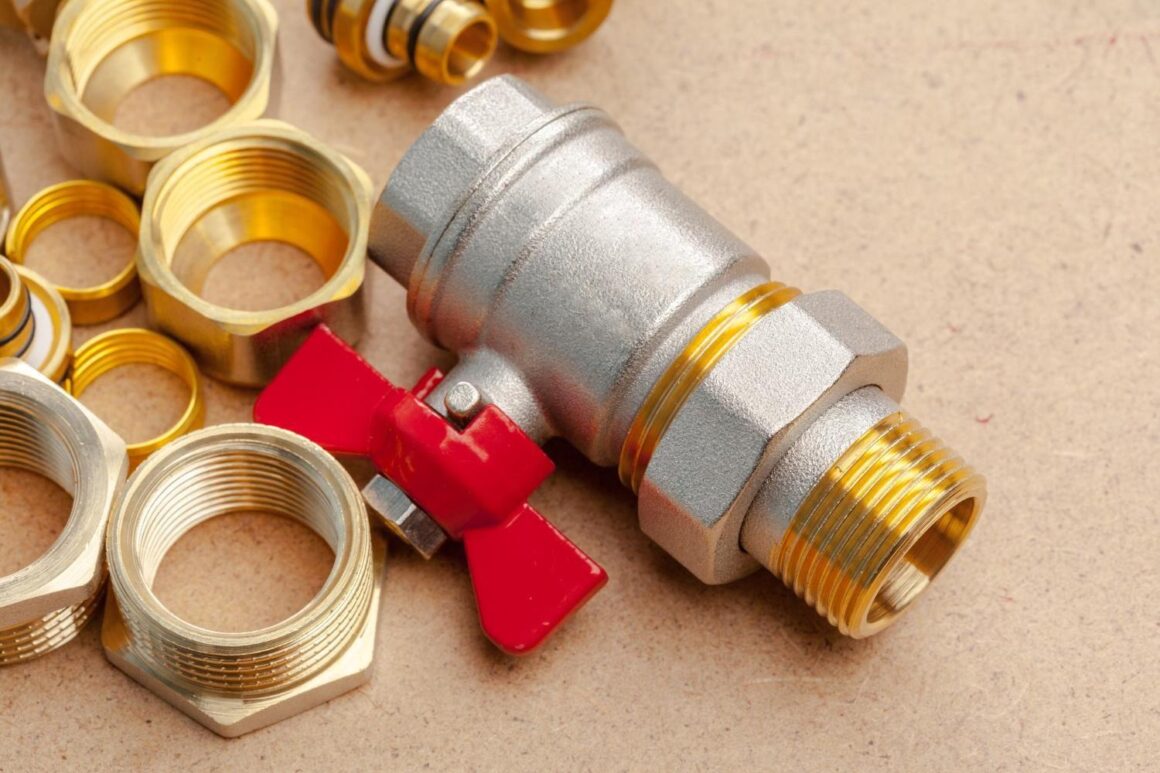
Water infrastructure is one of the most critical, and most commonly overlooked, areas of maintenance. Pipes, fixtures, and heating units operate continuously, often without visible signs of wear until a failure occurs. In many Australian homes, factors such as mineral-heavy water and temperature fluctuations can accelerate wear in plumbing systems, making regular inspections even more important. Early warning signs such as pressure irregularities, corrosion, or minor leaks should never be ignored.
Within this category, hot water infrastructure deserves particular attention. Whether in single-family homes or managed properties, consistent access to heated water is essential. Investing in well-maintained hot water systems Adelaide ensures not only comfort but also energy efficiency and system longevity. When homeowners treat this system as a priority rather than an afterthought, they reduce the likelihood of unexpected breakdowns that can disrupt daily routines.
Electrical Systems
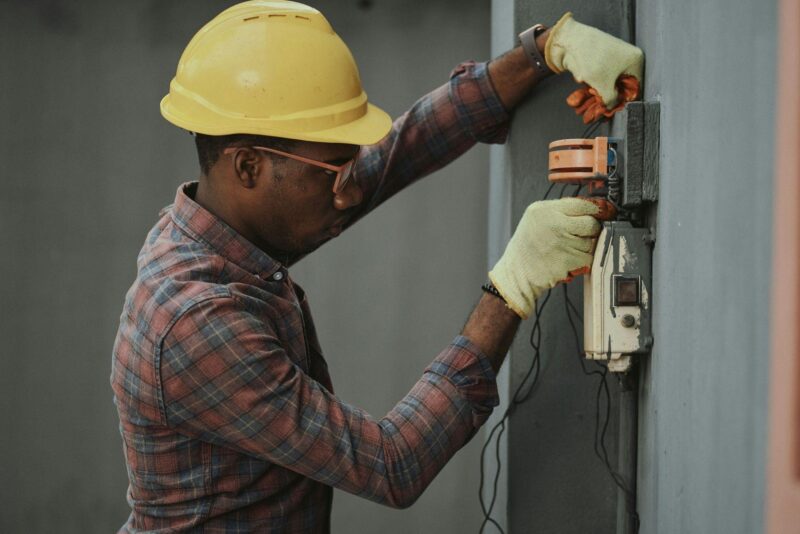
Electrical systems are another foundational element that often go unnoticed until something stops working. Aging wiring, overloaded circuits, and outdated panels can present both performance issues and safety risks. Preventive inspections can identify vulnerabilities before they escalate, particularly in older properties where systems may not meet modern standards.
Heating, Ventilation, and Air Conditioning (HVAC)
Climate control systems are central to indoor comfort, especially in regions with seasonal extremes. Filters, ducts, and mechanical components all require periodic attention to maintain efficiency. Poorly maintained HVAC systems not only consume more energy but can also compromise indoor air quality.
Structural and Exterior Elements
Roofing, drainage systems, and exterior surfaces are exposed to environmental stress year-round. Small issues, such as blocked gutters or minor roof damage, can quickly evolve into larger problems if not addressed early. Preventive care in these areas protects the structural integrity of the property and prevents costly repairs.
The Financial Case for Preventive Maintenance
One of the most compelling arguments for preventive maintenance is economic. While regular servicing involves upfront costs, it is significantly less expensive than emergency repairs or full system replacements. More importantly, preventive strategies extend the lifespan of critical components, allowing homeowners to maximize their investment.
Research from the Australian Government Department of Climate Change, Energy, the Environment and Water highlights how regular maintenance improves system efficiency and reduces energy consumption, particularly in heating and water systems. This translates into measurable savings over time, reinforcing the value of consistent upkeep.
Beyond direct cost savings, well-maintained properties tend to retain higher market value. Buyers and tenants alike place greater trust in homes where systems are clearly cared for, reducing negotiation friction and increasing long-term appeal.
Common Oversights That Lead to Bigger Problems
Despite the clear benefits, several maintenance areas are frequently neglected:
- Infrequent system checks: Many homeowners lack a structured schedule for inspections, leading to missed early warning signs.
- Deferred minor repairs: Small issues are often postponed, allowing them to escalate into more serious problems.
- Outdated equipment: Older systems may still function but operate inefficiently, increasing utility costs and risk of failure.
- Lack of documentation: Without records of maintenance history, it becomes difficult to track performance or plan upgrades effectively.
These oversights are not necessarily due to neglect but rather to a lack of visibility. Because many systems operate out of sight, their importance can be underestimated until they fail.
Integrating Preventive Maintenance into Everyday Homeownership
Adopting a preventive approach does not require complex systems or professional management tools. It begins with awareness and consistency. Homeowners can implement a simple framework:
- Seasonal inspections: Align checks with seasonal changes to ensure systems are prepared for varying conditions.
- Professional servicing: Engage qualified technicians for key systems such as plumbing, electrical, and HVAC.
- Upgrade planning: Replace aging components strategically rather than waiting for failure.
- Record keeping: Maintain a log of inspections, repairs, and upgrades to track system performance over time.
These steps create a structured approach that reduces uncertainty and improves long-term outcomes.
The Role of Preventive Maintenance in Modern Living
As homes become more complex, with integrated technologies, energy-efficient systems, and higher expectations for comfort, the importance of maintenance continues to grow. This is particularly relevant in Australia, where environmental conditions and energy costs place additional pressure on household systems. Preventive strategies are no longer optional; they are essential for ensuring that properties function as intended.
For homeowners, this represents a shift in perspective. Maintenance is not simply a response to problems but a proactive investment in stability, efficiency, and value. By paying closer attention to the systems that operate behind the scenes, it becomes possible to avoid disruption, reduce costs, and create a more resilient living environment.
In the context of modern property management, the lesson is clear: the most successful properties are not those that look the best at a glance, but those that are consistently cared for at every level.