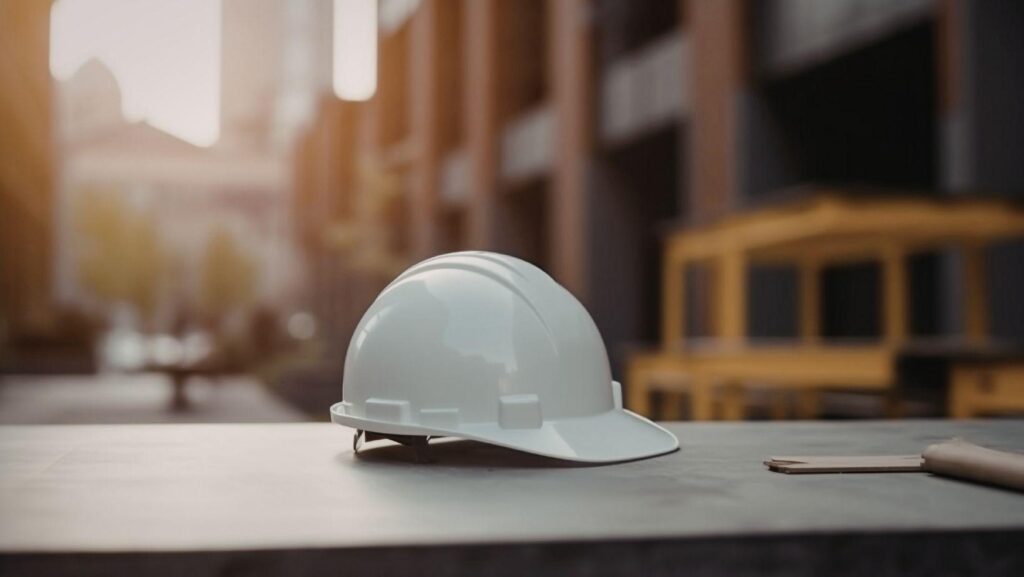
Selecting the right protective equipment is one of the most important responsibilities for construction managers and business owners. Among all safety gear, construction hard hats are essential for protecting workers from head injuries and maintaining compliance with safety regulations.
Why Proper Selection Matters
Not all job sites present the same risks. A residential construction site differs significantly from a large-scale industrial project or an electrical installation environment.
Choosing the wrong type of hard hat can leave workers exposed to unnecessary danger.
Proper selection ensures that protection matches the specific hazards workers face daily.
Key Factors to Consider
When selecting hard hats for your team, several factors should guide your decision:
1. Type of Protection Needed
Determine whether workers need protection from top impacts only or from side impacts as well. This will influence whether Type I or Type II helmets are required.
2. Electrical Safety Requirements
If your team works near electrical systems, choosing a helmet with appropriate electrical insulation is critical.
3. Comfort and Wearability
Workers are more likely to wear protective equipment consistently if it is comfortable. Features such as adjustable suspension systems, ventilation, and lightweight materials improve usability.
4. Durability
Construction environments are tough. Hard hats must withstand repeated use, exposure to weather, and physical wear.
Customization and Identification
Many companies customize hard hats to improve organization and safety. Color coding can help identify roles on-site:
- White for supervisors or engineers
- Yellow for general laborers
- Blue for technical operators
- Red for safety personnel
This system improves communication and helps workers quickly identify team members.
Branding can also enhance professionalism and visibility.
Maintenance and Replacement Guidelines
Hard hats are not permanent equipment. Over time, exposure to sunlight, heat, and wear can weaken materials.
Best practices include:
- Inspecting helmets regularly for cracks or damage
- Replacing suspension systems periodically
- Following manufacturer guidelines for lifespan
- Storing helmets away from extreme heat or chemicals
Replacing worn equipment ensures continued protection.
Training Workers on Proper Use
Even the best equipment is ineffective without proper use. Workers should be trained on:
- Correct fitting and adjustment
- When helmets must be worn
- How to identify damage
- Proper storage and care
Training reinforces accountability and reduces misuse.
Compliance With Safety Regulations
Regulatory bodies require head protection in environments where falling objects or impact hazards exist.
Failing to comply can result in:
- Fines and penalties
- Project delays
- Legal liability
- Increased insurance costs
Staying compliant protects both workers and business operations.
Long-Term Benefits of Investing in Quality Equipment
While high-quality hard hats may come with a higher upfront cost, they offer long-term value by reducing injury risks and improving durability.
Safer job sites lead to:
- Higher productivity
- Better employee morale
- Stronger business reputation
Investing in safety is always more cost-effective than dealing with the consequences of accidents.
Why the Right Hard Hat Matters
Construction work will always involve risk, but proper preparation reduces that risk significantly.
Choosing the right construction hard hats ensures that workers are protected, compliant, and able to perform their jobs confidently.