Most homeowners have some version of a property maintenance checklist. Gutters get checked before monsoon season. HVAC filters get swapped out. Smoke detector batteries get replaced (usually after the chirping starts). But there is one item that consistently gets left off the list until something goes wrong: the garage door.
In Arizona, that omission is especially costly. The desert climate is harder on mechanical systems than most people realize, and a garage door that is ignored through a few Phoenix summers tends to announce its problems at the worst possible time.
Here is why it deserves a dedicated spot on your property maintenance calendar, and what to actually look for.
The Arizona Climate Is Rough on Garage Doors
Phoenix heat is relentless, and it does not just affect the humans and plants on your property. Extreme temperatures cause metal components to expand and contract repeatedly, which accelerates wear on a door system’s moving parts. UV exposure degrades weather sealing and certain panel finishes faster than in milder climates. Monsoon season adds humidity spikes, blowing debris, and the occasional power surge that can affect opener electronics.
None of this means your garage door is fragile. It means the environment is demanding, and a door that gets zero attention will show that wear sooner than one that gets routine checks.
What a Basic Inspection Actually Looks Like
You do not need to be a technician to run through the basics. A few times a year, take five minutes to go through this:
Listen and watch during operation. Open and close the door a few times and pay attention. Grinding, scraping, or uneven movement are signs that something is off. A door that hesitates, jerks, or reverses unexpectedly deserves a closer look.
Check the weather seal along the bottom. This strip keeps out dust, pests, and water intrusion. In Arizona, it also helps with temperature regulation in the garage. If it is cracked, brittle, or pulling away from the door, it needs to be replaced. This is one of the more affordable fixes in the category.
Test the auto-reverse safety feature. Place a flat piece of lumber on the ground in the door’s path and close it. The door should reverse when it contacts the object. If it does not, the safety sensor needs adjustment. This is a basic safety check, not an optional one.
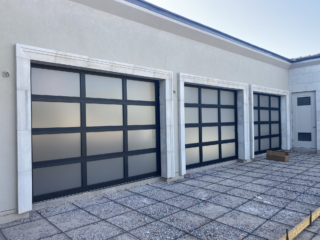
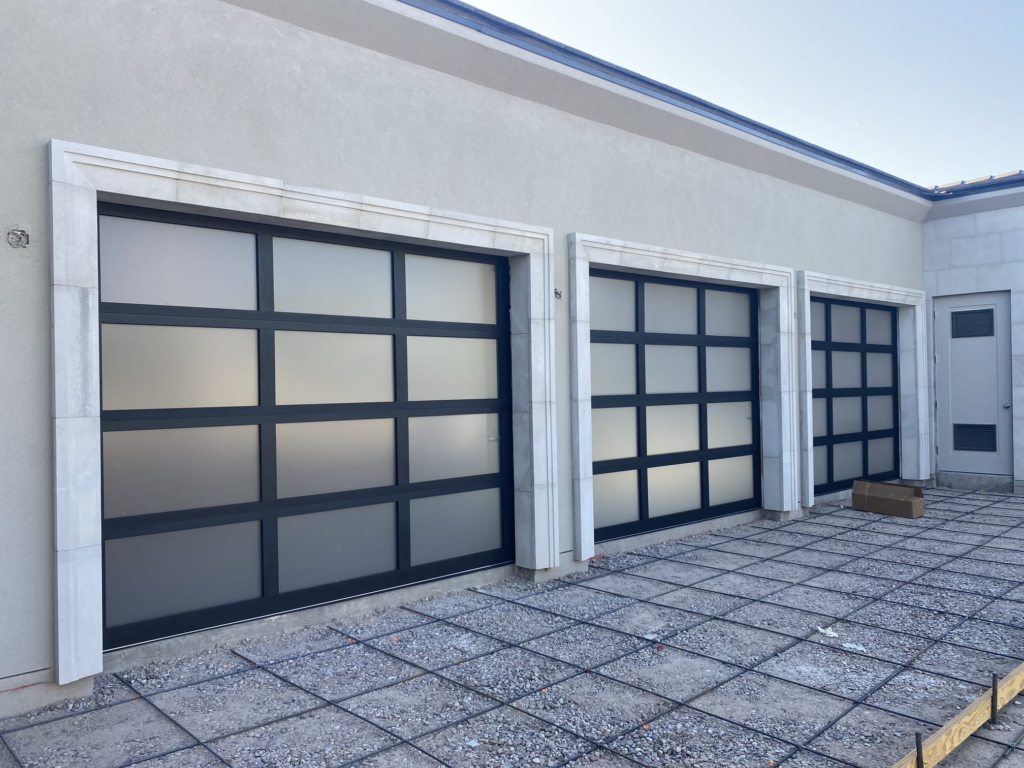
Look at the door panels from the outside. Dents and damage are not just cosmetic. Bent panels can affect how the door tracks and seals, and they create pressure points that worsen over time.
Note how balanced the door feels. Disconnect the opener and manually lift the door to about halfway. It should stay in place without drifting up or dropping down. If it moves on its own, the balance is off and the system needs professional attention.
When to Call a Pro vs. Handle It Yourself
Replacing weather stripping, cleaning the door surface, and applying a garage door specific lubricant (not WD-40) to hinges and rollers are reasonable DIY tasks for most homeowners.
Anything involving the mechanical balance of the door, the spring system, or the opener hardware is a different category entirely. These components are under significant tension and are genuinely dangerous to work on without proper training and tools. If your inspection turns up something that feels beyond a simple swap or wipe-down, get a professional involved before it becomes a bigger repair.
For Phoenix homeowners dealing with anything from a door that is off track to an opener that has stopped responding, I Love It Garage Doors is a local option worth knowing about. They handle garage door repair Phoenix residents call in for everything from minor adjustments to full system replacements, and they operate without the pressure-sales dynamic that makes some service calls feel like a negotiation.
Fitting It Into Your Property Care Routine
The simplest way to keep the garage door from becoming a crisis is to tie it to inspections you are already doing. Check it at the start of summer before the heat peaks, and again after monsoon season once the door and opener have had some weather exposure.
A few minutes of attention twice a year is almost always cheaper than an emergency call. It keeps one of the largest moving parts of your home working the way it should, and it removes one more thing from the list of surprises that come with owning property in the desert.