A home sauna can feel like a luxury at first, but it quickly becomes part of your routine. Whether you use it to relax after a long day or support recovery, it’s one of those investments that pays off daily. That said, like anything you use often, it needs proper care to keep it working well and feeling fresh.
The good news is that sauna maintenance isn’t complicated. With a few consistent habits and occasional deeper care, you can keep your sauna clean, safe, and efficient all year long. Let’s break down what that actually looks like in a practical, no-stress way.
1. Daily and Weekly Cleaning Basics
After each use, it helps to do a quick reset. Wipe down the benches and backrests with a dry or slightly damp cloth. This removes sweat and prevents buildup over time.
Ventilation is just as important. Leave the sauna door open for a while after each session so moisture can escape. This simple step helps prevent odors and keeps the wood in good condition.
Once a week, take things a bit further. Use a mild, non-harsh cleaner designed for wood surfaces. Avoid strong chemicals, since they can damage the wood and leave unwanted smells that get stronger when heated.
If you use towels during sessions, which is always a good idea, you’ll notice cleaning becomes much easier overall.
2. Caring for the Wood Interior
The wood inside your sauna is what creates that warm, natural feel. Keeping it in good shape is key.
Over time, wood can absorb moisture and develop stains or slight discoloration. Light sanding every few months can refresh the surface and remove marks. Focus on high-contact areas like benches and armrests.
It’s also worth checking for any signs of mold or mildew, especially if ventilation hasn’t been consistent. If you spot anything, clean it early before it spreads.
Avoid painting or sealing the interior wood unless it’s specifically recommended. The natural wood needs to breathe and handle heat properly.
3. Heater and Stone Maintenance
The heater is the heart of your sauna, so it deserves regular attention.
If your sauna uses stones, check them every few months. Over time, they can crack or break down from repeated heating. Replace damaged stones and rearrange them to allow proper airflow.
Dust and debris can also collect around the heater. Gently clean the area to ensure nothing interferes with performance. If you notice uneven heating or longer warm-up times, it may be a sign that the heater or stones need attention.
For electric heaters, it’s a good idea to occasionally check connections and make sure everything is functioning safely. If anything seems off, it’s better to have it looked at rather than ignore it.
4. Managing Moisture and Ventilation
Moisture is one of the biggest factors in sauna maintenance. Even though saunas are designed for heat and humidity, poor airflow can lead to long-term issues.
Make sure your sauna’s ventilation system is working properly. Air should circulate naturally, bringing in fresh air and pushing out excess moisture.
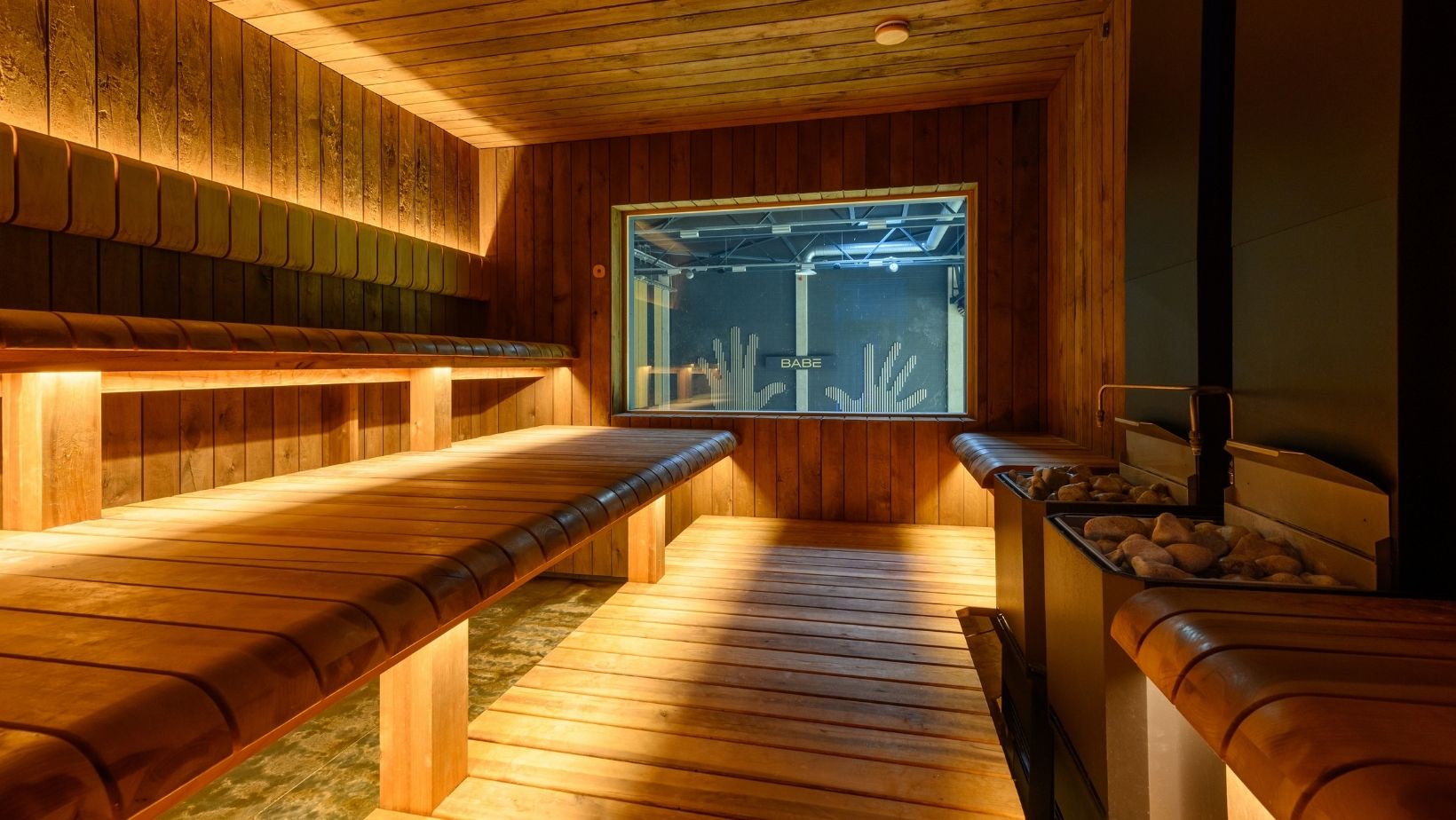
In colder months, this becomes even more important since temperature differences can create condensation. In warmer seasons, humidity levels can rise, so keeping airflow consistent helps maintain balance.
A small habit like airing out the sauna after each use goes a long way in preventing bigger problems.
5. Seasonal Checks and Deep Maintenance
Each season brings slightly different challenges, so it’s worth doing a deeper check a few times a year.
In winter, inspect seals, doors, and insulation. Cold air creeping in can affect performance and efficiency.
In summer, pay attention to humidity and any signs of excess moisture buildup. This is also a good time for a more thorough cleaning, including floors and harder-to-reach areas.
If your sauna is outdoors, seasonal care becomes even more important. Check the exterior for weather damage, and make sure it’s properly protected from rain, snow, or strong sun exposure.
6. Electrical and Safety Inspections
Safety should always be part of your maintenance routine. Even if everything seems fine, it’s smart to occasionally inspect the electrical components.
Look for any visible wear on wires, controls, or panels. Make sure the thermostat is working correctly and not overheating.
If your sauna has lighting inside, check that fixtures are heat-safe and functioning properly. For peace of mind, a professional inspection once in a while is a good idea, especially if the sauna gets frequent use.
7. Using Quality Equipment from the Start
Maintenance becomes much easier when your sauna is built with quality materials and reliable components.
Choosing a trusted provider like Select Saunas means you’re starting with well-designed systems that are easier to maintain over time. High-quality wood, durable heaters, and proper construction all reduce the amount of upkeep needed and help your sauna last longer.
It’s one of those cases where a good foundation saves you effort in the long run.
Conclusion
A home sauna doesn’t require complicated maintenance, but it does need consistency. Small habits like wiping surfaces, allowing airflow, and checking key components can make a big difference over time.
By staying on top of cleaning, caring for the wood, maintaining the heater, and adjusting for seasonal changes, you can keep your sauna in excellent condition all year long.
In the end, a well-maintained sauna is not just about longevity. It’s about making sure every session feels as good as the first.