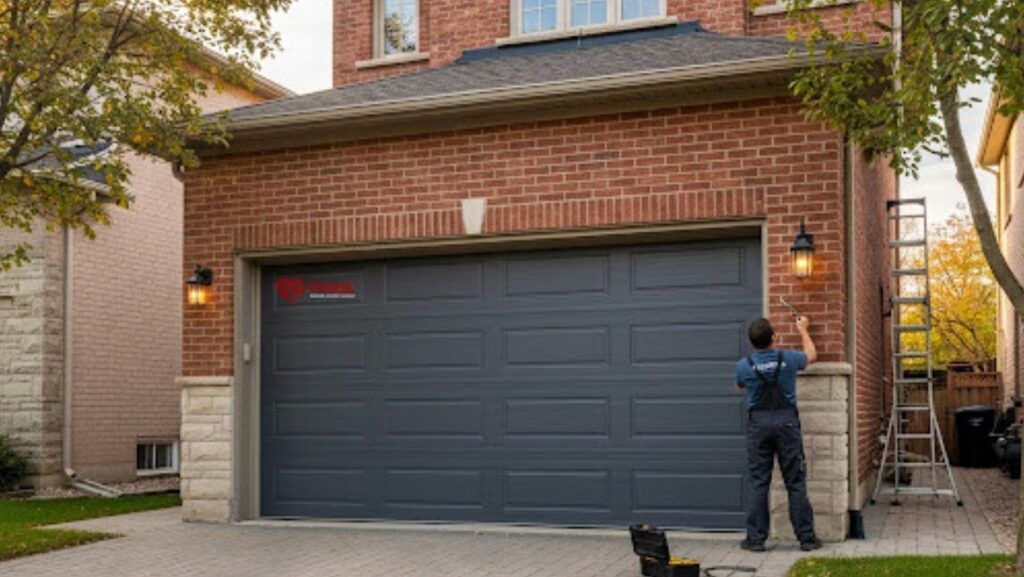
Garage doors are a big part of our homes. They keep our cars safe, protect our stuff, and even add to how our house looks. But like any machine, they can wear out over time. The good news is that you can make your garage door last longer with some simple steps. In this article, we’ll talk about how to extend the lifespan of your residential garage door. We’ll cover everything from basic cleaning to when you need help from pros. We’ll also look at PrimeGDR, a leading company in garage door installation and repair in Illinois, especially in North West Chicago.
Most garage doors last about 15 to 30 years if you take care of them. But without maintenance, they might break down sooner, costing you money on fixes or a new door. Things like weather, how often you use it, and the quality of parts all play a role. By following the tips here, you can avoid common problems and save cash in the long run. This guide is based on advice from experts and real-world examples. Let’s start by understanding what makes up your garage door.
Understanding Your Garage Door Components
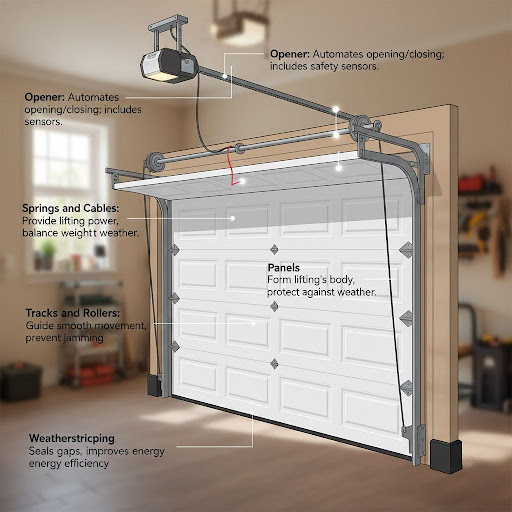
To know how to extend the lifespan of your residential garage door, you first need to know its parts. A garage door isn’t just a big slab of wood or metal. It has many pieces that work together.
The main part is the door panels. These are the sections that go up and down. They can be made of steel, wood, aluminum, or fiberglass. Steel is strong and lasts long, but wood needs more care to avoid rotting.
Then there are the tracks. These are metal rails on the sides and ceiling that guide the door. Rollers move along these tracks. Rollers are like wheels attached to the door.
Springs are super important. They help lift the heavy door. There are two types: torsion springs (above the door) and extension springs (on the sides). They can be dangerous if they break, so never try to fix them yourself.
Cables connect the springs to the door. They pull the door up. The opener is the motor that automates it all. It has a chain, belt, or screw drive.
Weatherstripping is the rubber seal around the edges. It keeps out rain, wind, and bugs. Hinges connect the panels, and brackets hold everything in place.
Knowing these parts helps you spot issues early. For example, if rollers are rusty, they can wear out tracks faster.
Here’s a quick list of key components and their roles:
- Panels: Form the door’s body; protect against weather.
- Tracks and Rollers: Guide smooth movement; prevent jamming.
- Springs and Cables: Provide lifting power; balance weight.
- Opener: Automates opening/closing; includes safety sensors.
- Weatherstripping: Seals gaps; improves energy efficiency.
- Hinges and Brackets: Connect and support; ensure stability.
By checking these regularly, you can catch small problems before they get big.
Regular Cleaning and Maintenance
One of the easiest ways to extend the lifespan of your residential garage door is through regular cleaning. Dirt, dust, and grime build up over time, causing parts to stick or wear out.
Start by cleaning the panels. Use a mild soap and water. For steel doors, a car wash soap works great. Rinse with a hose, but avoid high pressure that could dent the door. Wood doors need a gentle cleaner to prevent damage.
Clean the tracks too. Use a brush or vacuum to remove debris. Never put oil in tracks – it attracts more dirt. Wipe them with a damp cloth.
For the outside, wash off salt in winter if you live in snowy areas like Illinois. Salt can cause rust on metal parts.
Do this cleaning every few months, or more if you live in a dusty place. It only takes an hour but can add years to your door’s life.
Benefits of regular cleaning:
- Prevents rust and corrosion.
- Keeps movement smooth.
- Improves appearance.
- Reduces noise from squeaky parts.
- Saves money on repairs.
Remember, a clean door is a happy door!
Lubricating Moving Parts
Lubrication is key to how to extend the lifespan of your residential garage door. Moving parts like rollers, hinges, and springs need oil to reduce friction.
Use a silicone-based lubricant or white lithium grease. Avoid WD-40 for long-term use – it’s more of a cleaner. Spray on rollers, hinges, and the chain of the opener if it has one.
For springs, a light coat helps prevent rust. But be careful – springs are under tension.
Do this every 3-6 months. It takes just 10 minutes.
If you hear squeaks, that’s a sign to lubricate. Ignoring it can lead to faster wear.
PrimeGDR’s experts in Illinois use high-quality lubricants in their repairs. They serve areas like Grayslake and Hawthorn Woods, making sure doors run quietly and efficiently.
Steps for lubricating:
- Close the door and unplug the opener.
- Clean parts first to remove old gunk.
- Apply lubricant sparingly.
- Wipe off excess to avoid drips.
- Test the door a few times.
This simple task can double the life of rollers and hinges.
Checking and Balancing the Door
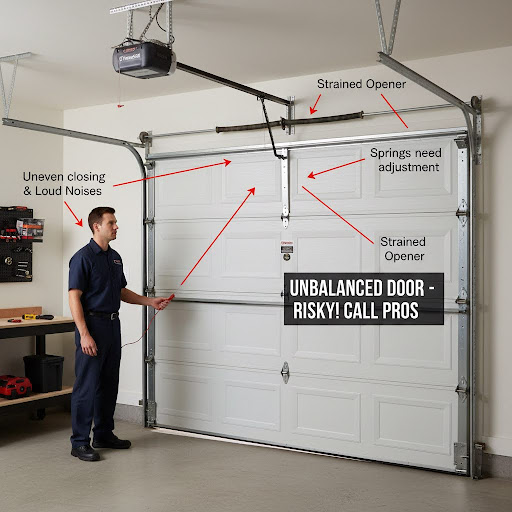
A balanced door is crucial for longevity. If it’s out of balance, the opener works harder, wearing out faster.
To check: Disconnect the opener by pulling the release cord. Lift the door halfway. It should stay put. If it falls or rises, it’s unbalanced.
Don’t fix balance yourself – call pros. Springs need adjustment, and it’s risky.
Unbalanced doors strain motors and can damage panels.
Signs of imbalance:
- Door doesn’t stay open.
- Uneven closing.
- Loud noises during operation.
- Increased energy use.
Regular checks every 6 months help.
Inspecting Springs and Cables
Springs and cables do the heavy lifting. They cycle thousands of times a year.
Inspect for rust, fraying, or breaks. Extension springs stretch; torsion twist.
Average lifespan: 10,000 cycles (about 7-10 years for twice-daily use).
Replace when worn. Always hire professionals – DIY can cause injury.
Tips for springs:
- Listen for unusual sounds.
- Look for gaps in coils.
- Avoid touching when door is moving.
- Schedule pro inspections yearly.
Cables should be tight, not loose.
Weatherproofing and Insulation
Weather affects doors in places like Illinois with cold winters and hot summers.
Weatherstripping seals gaps. Replace if cracked.
Insulation helps too. Foam panels inside doors keep garages warmer, reducing stress on parts.
For wood doors, seal with paint or stain to prevent warping.
Benefits:
- Lower energy bills.
- Less moisture damage.
- Quieter operation.
- Longer part life.
Check seals annually.
Common Problems and Solutions
Even with care, problems happen.
Off-track doors: Rollers jump tracks. Fix by realigning, but call pros.
Broken openers: Check batteries, sensors. If chain sags, tighten.
Noisy doors: Lubricate or replace rollers.
Sagging panels: Tighten hinges or replace.
Common issues list:
- Broken Springs: Door won’t open; pro replacement needed.
- Faulty Opener: Won’t respond; check power or reprogram.
- Damaged Panels: From impacts; repair or replace sections.
- Worn Rollers: Cause sticking; switch to nylon for quiet.
- Cable Snaps: Dangerous; immediate pro help.
Addressing early prevents bigger costs.
When to Call Professionals: Spotlight on PrimeGDR
Some tasks are DIY, but many need experts to extend lifespan safely.
Call pros for springs, cables, openers, and installations.
PrimeGDR is a leading company in Illinois for garage door work. Based in Mundelein, they serve North West Chicago suburbs like Buffalo Grove and Lake Forest. Owner Dmytro Shevchenko has over 8 years experience. They offer affordable, honest service with no hidden fees. Same-day garage door repair, 24/7 emergencies, and satisfaction guarantee make them stand out.
Visit https://primegdr.com/ for more. They handle all makes/models, from roll-up doors to panel fixes.
Why choose them:
- Local and fast response.
- Certified techs.
- Competitive prices.
- Focus on safety.
- Wide service area.
For major issues, they’re your best bet.
Upgrading Your Garage Door for Longer Life
Sometimes, upgrading extends life more than fixes.
New materials like insulated steel last longer.
Smart openers with apps add convenience and monitoring.
LED lights in openers save energy.
Upgrade options:
- Insulated doors for climate control.
- Quieter belt-drive openers.
- Durable nylon rollers.
- Security features like rolling codes.
- Custom designs for curb appeal.
Investing now saves later.
Safety Considerations
Safety is key when maintaining doors.
Always unplug opener before work.
Use safety glasses.
Teach kids not to play near doors.
Check reverse sensors monthly – place object under door; it should reverse.
Safety tips:
- Never force a stuck door.
- Keep remotes away from children.
- Inspect for loose parts.
- Have pros handle high-tension parts.
- Install carbon monoxide detectors in garage.
Safe doors last longer.
Seasonal Maintenance Tips
Weather changes a lot in places like Illinois. Hot summers, cold winters, rain, snow, and wind all affect your garage door. Doing seasonal checks helps it last longer.
In spring, after winter, clean off salt and dirt from roads. Check for ice damage on panels or tracks. Test the balance again. Lubricate everything because cold weather can dry out the grease.
Summer is hot, so make sure the opener doesn’t overheat. Keep vents clear. Check weatherstripping for cracks from sun heat.
Fall is perfect for big checks before winter. Tighten all hardware. Replace worn seals to keep out cold air.
Winter in North West Chicago can be tough with snow. Clear snow from the bottom of the door so it doesn’t freeze shut. Use a rubber scraper, not metal. Make sure sensors are clean from ice.
Seasonal checklist:
- Spring: Deep clean, balance test, full lubrication.
- Summer: Check opener cooling, inspect for sun damage.
- Fall: Tighten bolts, replace seals, test safety sensors.
- Winter: Snow removal, sensor cleaning, emergency release check.
Following this keeps your door working smoothly year-round.
Testing Safety Features Regularly
Safety features protect you and your family. If they fail, your door could hurt someone or get damaged. Testing them extends the door’s life by catching problems early.
The auto-reverse feature is important. Place a 2×4 board under the door. Close it – it should reverse when it touches the board. Do this monthly.
Photo-eye sensors (the little eyes near the floor) stop the door if something blocks them. Wipe them clean. Make sure they’re aligned – the lights should be steady, not blinking.
The manual release cord lets you open the door if power goes out. Test it by pulling the cord and lifting the door by hand. It should move easily.
Why test safety?
- Prevents accidents.
- Reduces wear from forced operation.
- Keeps warranty valid.
- Gives peace of mind.
Do these tests every month. It’s quick and very important.
Choosing the Right Lubricant and Tools
Using the wrong lubricant hurts more than it helps. Bad oil attracts dirt and makes parts wear faster.
Best choices:
- Silicone-based spray (great for most parts).
- White lithium grease (good for hinges and rollers).
- Avoid WD-40 – it’s a cleaner, not a long-term lube.
Tools you need for basic care:
- Soft cloth or rag.
- Vacuum or brush for tracks.
- Mild soap and water.
- Ladder (for high parts).
- Safety glasses.
Always unplug the opener before working. Use a clamp on the track to hold the door if needed.
How Often Should You Do Maintenance?
A good schedule makes your door last 20–30 years or more.
- Monthly: Quick visual check, test safety features, clean sensors.
- Every 3–6 months: Lubricate moving parts, clean tracks.
- Yearly: Full inspection, tighten hardware, pro tune-up.
Heavy use (family with many cars) means more frequent care.
Sample yearly calendar:
- January – Winter check for ice.
- April – Spring deep clean.
- July – Summer lubrication.
- October – Fall prep for cold.
- Anytime – If you hear noises, call fast.
Consistency is the key to a long-lasting door.
Benefits of Professional Annual Tune-Ups
DIY is good for small things, but pros see what you miss.
A pro tune-up includes:
- Full inspection of all parts.
- Tightening loose hardware.
- Adjusting springs and balance (safely!).
- Testing opener limits.
- Lubricating with pro-grade products.
- Checking for rust or wear.
This finds tiny problems early. It can save hundreds or thousands in repairs.
Benefits list:
- Longer door life.
- Quieter operation.
- Better energy savings.
- Increased home safety.
- Lower chance of sudden breakdowns.
Think of it like a car oil change – regular care prevents big problems.
When It’s Time to Replace Instead of Repair
Even with great care, doors don’t last forever. Signs it’s time for a new one:
- Age over 20–25 years.
- Many repairs needed (springs, panels, opener).
- High energy bills (poor insulation).
- Looks faded or dented badly.
- Noisy even after fixes.
- Safety features fail often.
New doors have better materials, insulation, and smart features.
Final Thoughts on Long-Term Care
Taking care of your residential garage door is simple when you make it a habit. Clean it, lubricate it, test it, and get pro help when needed. These steps solve the main question: how to extend the lifespan of your residential garage door.
In Illinois and North West Chicago, where weather is tough, companies like PrimeGDR make it easier. With over 8 years of experience, fast service in areas like Mundelein, Vernon Hills, Libertyville, and more, they’re the leading choice for installation, repair, and maintenance.
Start today with a quick check. Your door will thank you with years of smooth, quiet service. Stay safe, save money, and enjoy your reliable garage door!