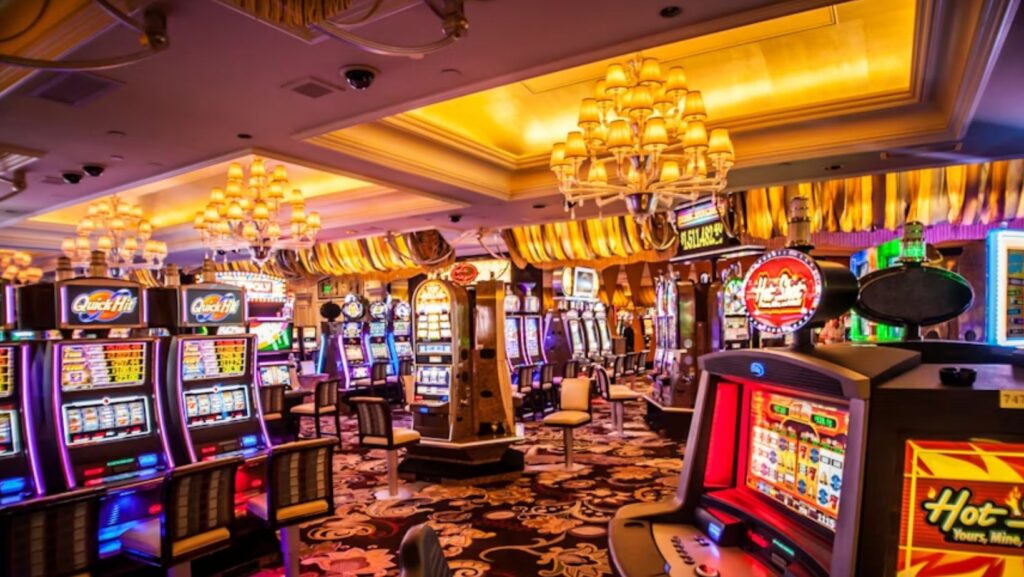
If you walk into a modern casino, the first impression rarely comes from a slot machine. The experience begins earlier. It starts with arrival points, lighting, sound, and how the space pulls people forward without feeling forced. Casino design today focuses on mood and comfort just as much as tables and screens.
Guests notice temperature, ceiling height, and pathways, where they can pause without feeling lost. These choices affect how long people stay and how relaxed they feel while spending time there. Architects now think about dining areas, lounges, event spaces, retail corners, and outdoor connections as part of one continuous experience. The gaming floor still matters, but it no longer stands alone. Let’s discuss modern casino design and everything it incorporates, in addition to the gaming floor.
Components of Modern Casino Design
A casino’s architecture impacts the gaming environment, so modern casinos incorporate a ton of features to make the experience lucrative for the establishment. Let’s look at some of these features.
Architecture and Spatial Flow
Contemporary projects, such as those headed by I-5 Design Build, use open floor plans with high ceilings and wide pathways to reduce the sense of confinement common in older designs. Large windows, glass walls, and skylights bring in daylight or views of outdoor spaces that connect guests to their surroundings. This approach nurtures a more pleasant mood and invites exploration across areas outside the gaming floor itself.
Spatial flow is also important because guests should move from one zone to another easily. Some layouts use gentle curves or broad corridors to link gaming areas with restaurants, lounges, and theaters. Other designs integrate transparent sightlines so visitors can see far into the casino’s different offerings at a glance.
Entertainment Venues
The most marvelous casino designs no longer focus exclusively on electronic games or table play. They host a wide range of performances, such as live shows, comedy acts, movie screenings, and themed events, to help attract guests who might not otherwise visit just to gamble.
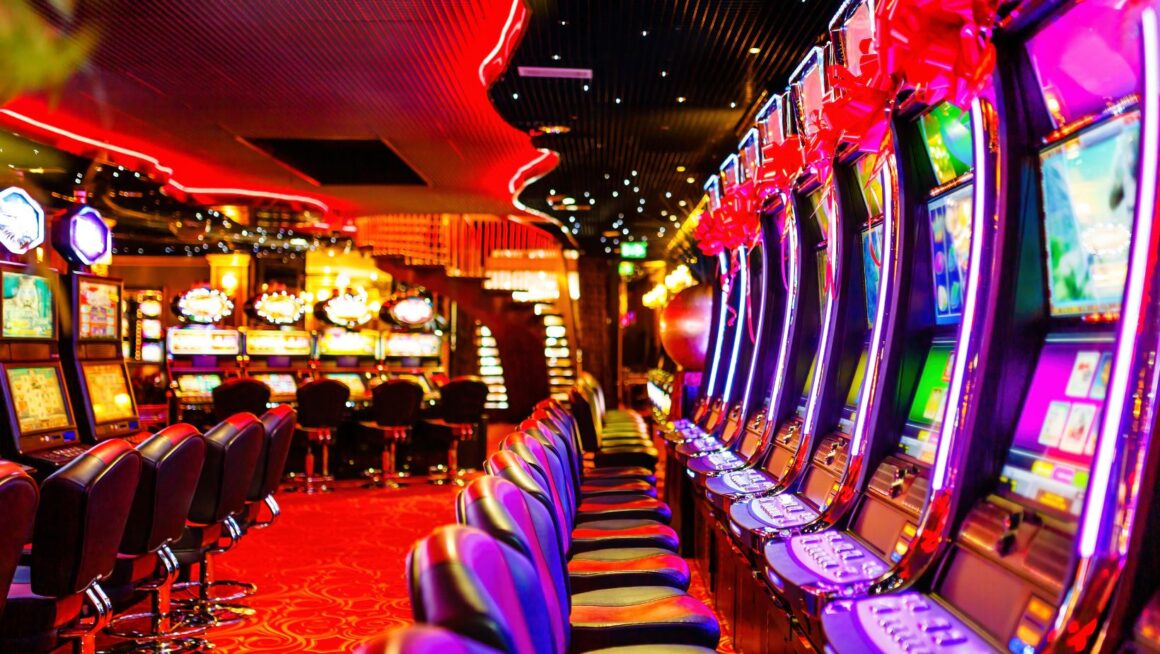
Some casinos hold performances every day in dedicated theaters and event halls. Nightclubs and bars are also a part of this entertainment matrix. DJs, themed nights, and social spaces extend the appeal of a casino into late-night hours. These spaces encourage visitors to linger after gaming or just come for nightlife.
Retail, Dining, and Hospitality
Modern casino designs place restaurants and bars in strategic locations. These dining options may range from quick casual food courts to high-end chef-driven restaurants. Retail streets with brand boutiques, especially shops and pop-up markets give guests reasons to walk deeper into the casino.
Lodging is also available in some casinos. Large hotel towels and connected guest rooms turn casinos into full gateways. Indoor walkways link these spaces with gaming and entertainment zones so guests never feel cut off from the casino’s activity hub.
Natural Elements
Bringing elements of the outdoors inside has become a strong trend. Large plant installations, water features, garden spaces, and natural materials like stone or wood help reduce sensory overload. These touches create pockets of calm that contrast with busier zones of action. Biophilic design also improves air quality and introduces textures that feel welcoming.
Safety and Operational Design
Safely influences how comfortable guests feel, even when they are not thinking about it directly. Modern casino design uses wide sightlines and thoughtful lighting so staff can observe activity without making spaces feel watched. Entrances, exits, and service corridors are planned to support crowd control during busy hours or large events. Surveillance systems are integrated into ceilings and walls so they can remain discreet.
Operational needs also shape design choices. Back-of-house pathways allow staff to move quickly without crossing guest areas. Cash handling rooms, security offices, and monitoring centers situated close to gaming floors remain accessible but hidden from public view. These decisions support smooth daily operations while keeping guest spaces welcoming.
Technology Integration
Technology now brings both convenience and entertainment to casinos. Digital signage helps guests find their way or discover promotions. Interactive touchscreens provide maps, show event schedules, and offer shortcuts to reserve tables or make reservations.
Many casinos now link digital experiences with mobile devices. A guest can check in, unlock room doors, or receive alerts about shows or specials directly on a phone app. These features reduce wait times and help people feel more connected to the overall casino experience.
Why These Design Elements Matter
The best casino architects understand the importance of these design elements. Here’s why they include these features in their creations.
Enhancing Guest Experience
Modern casinos focus on the guest experience from the moment someone arrives on property until they leave. Architecture sets expectations and creates an emotional connection. Open layouts make the space more inviting, while entertainment venues and social spaces give visitors a mix of options.
A person might arrive just for a concert or dinner, stay for gaming, and then enjoy nightlife afterward. This range of choices makes a casino appealing to groups with varied interests. Similarly, dining and retail elements add richness to the visit. Someone who does not gamble might still enjoy world-class restaurants or upscale shops.
Drivers of Longer Visits
Design choices influence how long people spend inside. Comfortable spaces, accessible rest areas, and smooth circulation mean guests stay longer without feeling worn down. Natural light and quieter zones also help balance the chaos of the casino with greenery.
Entertainment schedules that run throughout evenings keep visitors around after gaming has slowed. People come for one experience and often stay for another. This activity layering turns a casino into a destination that fills hours without relying solely on gaming.
Business and Revenue Impact
Non-gaming revenue is now a big portion of many casinos’ earnings. In some major markets, income from shows, dining, hotels, and retail can exceed income from gaming itself. These complementary offerings diversify income streams and support business resilience.
Design that links sections of a property together helps encourage spending across categories. Easy access from a dining hall to a theatre, then to a lounge, and back to the gaming floor creates multiple spending moments.
Relevance to Travelers and Locals
Modern design also responds to guest preferences. Travelers increasingly value comfort and experiences that go beyond a single activity. Casinos that offer wellness spaces, luxury hotels, event programming, and memorable dining set themselves apart. For locals, these destinations offer spaces to gather, celebrate, or enjoy nightlife without traveling far. A mix of live events and social zones gives a place relevance beyond gambling.
Endnote
Casinos changed from single-purpose gambling halls into complex environments offering a range of experiences. Architecture, dining, entertainment, wellness, and technology interact to make a visit feel valuable, no matter someone’s purpose in coming. This approach answers guests’ expectations for hospitality and leisure in a single place. Today’s casinos compete with resorts, theatres, and entertainment districts. Their design reflects that competition and helps draw visitors back again and again.