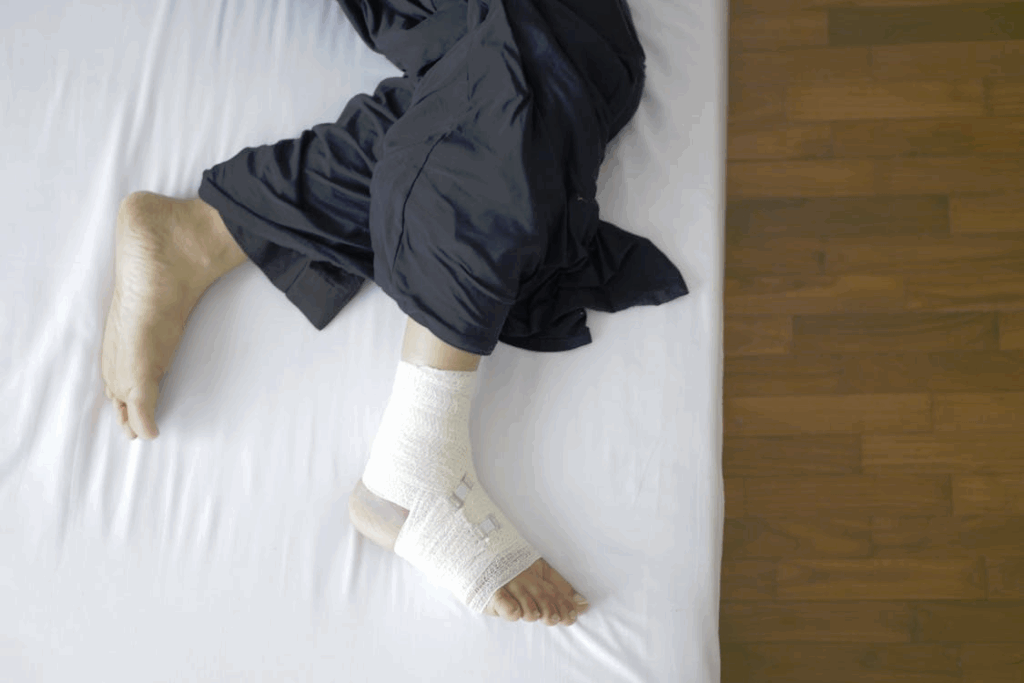
Accidents on private property often raise one question: who is responsible for the injury? Homeowners may assume guests accept all risks, but liability law sees it differently. Responsibility can depend on whether the danger was known, hidden, or preventable.
Understanding when a homeowner is legally accountable helps avoid costly disputes and strengthens home safety practices. Stay tuned to get up to speed with what matters in this context.
Common Situations That Trigger Homeowner Liability
Slip-and-fall accidents lead most homeowner claims, and account for 21% of deaths associated with preventable injuries. Wet floors, uneven steps, or loose rugs often cause serious injuries. Courts usually decide liability based on whether the homeowner knew about the hazard and ignored it.
Dog bites follow close behind. Many states hold owners responsible even if the dog never showed aggression before. That’s called “strict liability.”
Outdoor spaces create another risk. Poor lighting, cracked driveways, or broken fences can injure visitors, mail carriers, or delivery workers. Even social guests count. If someone gets hurt because maintenance was neglected, the owner may face a claim.
Basically, if you know the danger and someone gets hurt, the fault usually returns to you. So, keeping property conditions safe remains the simplest defense against liability.
Legal Principles That Define Responsibility
Liability law relies on two main ideas: duty of care and negligence. A homeowner owes a duty to keep the property reasonably safe for guests. When that duty is ignored, and an injury follows, negligence exists. Courts look at what a “reasonable person” would have done. If a danger was obvious and easy to fix, the homeowner usually carries the blame.
Invitees, licensees, and trespassers each receive different levels of protection. A delivery driver, for example, gets more legal protection than a trespasser climbing a fence. The rules shift depending on why the person was on the property.
Legal language often feels technical, but real cases hinge on simple judgment, and regional differences in laws also matter. So ,for instance, getting advice from experts on personal injury in Denver after a car accident makes sense because those same principles apply to premises liability. Understanding duty, care, and local legal principles prevents both accidents and lawsuits.
How Insurance Covers or Denies Accident Claims

Homeowner’s insurance forms a $247 billion market, and policies often cover injuries on private property, but the details matter. Usually, you’ll have liability protection available that pays medical bills and legal fees when the owner is found at fault. However, insurers deny claims when the injury results from intentional acts, business activities at home, or unreported hazards.
Some homeowners add umbrella policies for higher coverage limits. These extend protection beyond the standard plan and help when lawsuits demand large settlements. It’s the same thing as adding extra seatbelts in a car, one layer catches what the first might miss.
Documentation strengthens claims. Taking photos, recording witness statements, and notifying the insurer immediately can determine whether a claim is approved. The process rewards honesty and preparation. When coverage aligns with responsible upkeep, the homeowner keeps both the property and reputation protected.
Preventive Measures That Reduce Risk on Your Property
Prevention begins with routine inspection. Walking through your property once a month helps spot cracked walkways, exposed wiring, or wobbly railings before someone gets hurt. Minor repairs often stop big problems.
Lighting plays a large role. Bright, even, and efficient lighting around entryways and stairs reduces nighttime accidents. Keep outdoor bulbs clean and replace them as soon as they dim.
Pets need control, too. Using proper fencing and training helps prevent sudden incidents that could lead to legal trouble. Clear pathways, stable flooring, and secure handrails keep visitors safe.
It’s like maintaining a garden, regular care keeps hazards from growing wild. Safety habits not only protect guests but also lower insurance costs. Insurers often offer discounts for security systems or upgraded fixtures that reduce risk. When prevention becomes routine, liability almost disappears.
Final Thoughts
Homeowners rarely plan for accidents, yet responsibility rests with those who maintain the space.
Knowing the laws, reviewing insurance, and keeping property safe turns potential liability into protection. Awareness and upkeep remain the best tools for preventing both harm and costly claims.