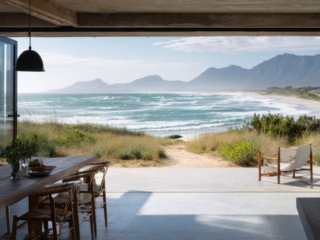
There’s something magnetic about waking up to the Aegean.
The light hits differently there — softer, but somehow sharper too. You can almost hear the sea chewing at the rocks below, steady as breath.
Then you spot the rust on the railing. A little more paint peeling off the shutters. And suddenly, the romance of coastal living starts to feel like a full-time job.
That’s the thing about Greek seaside rentals; they age fast if you’re not careful. Still, if you play it smart, you can cut down those endless “urgent” repairs and let the property take care of itself, more or less. Here’s how.
1. Build with What the Sea Approves Of
Not every beautiful surface belongs by the sea. Coastal humidity, salt, and UV light gang up on the wrong materials like a slow ambush. Go for natural stone, pressure-treated wood, stainless steel, and breathable limewash paints — they survive better than most synthetics.
A paper on corrosion in Greece notes that coastal environments with high chloride deposition do incur “relatively high corrosion‑related damage” in metal‑based constructions.
That means railings, window frames, outdoor fixtures — they all take a beating if you pick the wrong stuff. Swap the fragile components for what local builders swear by, and suddenly those little, constant repairs become far less frequent.
2. Make Ventilation a Habit, Not an Afterthought
The most overlooked part of coastal maintenance isn’t structural. It’s airflow. Salt and humidity pile up quickly, and over time, that’s what warps wood, peels paint, and encourages mold.
Install ceiling fans. Keep windows slightly cracked when the home’s empty. And design interior spaces that allow air to drift naturally. Even subtle cross-ventilation makes a difference.
According to WHO guidelines, as many as 75‑80% of building envelope problems stem from moisture and humidity issues rather than structural defects alone. In practice, that means poor ventilation or air circulation in a coastal property can dramatically increase the risk of damage.
3. Embrace the “Low-Drama” Design Philosophy
The best Greek homes are never fussy. They’re built for light, shade, and simplicity. Think wide terraces, solid shutters, and furniture that can take a beating. The less delicate the design, the less you’ll have to replace when the weather turns.
If you browse through listings on Elxis, you’ll see this in action — thick stone walls, shaded verandas, materials that age gracefully instead of falling apart. You can see all available properties here to get a sense of how form and endurance blend in well-built coastal rentals. It’s not minimalist for the sake of style; it’s practical beauty born from experience.
Every extra decorative detail is one more thing the sea can ruin. The goal isn’t to strip a home of character — it’s to give it breathing room.
4. Treat Maintenance as a Ritual, Not a Reaction
Big repairs rarely start big. They grow from the ignored: a slow drip, a missed cleaning, a bit of salt crust that never got wiped away. The smartest property owners know this and build small routines around prevention.
Rinse outdoor surfaces once a week. Oil wood furniture. Check seals after a storm. Replace small parts before they fail. It’s not obsessive — it’s rhythm.
Choose Tenants Who Care (and Make It Easy for Them)
Even the best materials fail if guests treat the space carelessly.
Simple guidance makes a huge difference. Leave a short, friendly “care guide” with photos of how to shut windows during high winds or how to rinse sand from the outdoor shower. Guests follow simple instructions when they feel they’re part of something—not just renting it.

Some owners go further: they hire a local caretaker to do quick weekly check-ins between stays. The cost is minor compared to catching mold too late or spotting water stains after they’ve spread.
Living in Rhythm with the Sea
The funny thing about coastal maintenance is how personal it becomes. You notice victories: a railing that stays gleaming, a door that shuts smoothly even after a humid week.
Maintaining a seaside home in Greece isn’t only about preventing decay. It’s learning the rhythm of the place. The light. The salt. The wind that never quite stops.
Do it right, and the house becomes part of that rhythm — not a battle against nature, but a quiet, rewarding partnership with it.