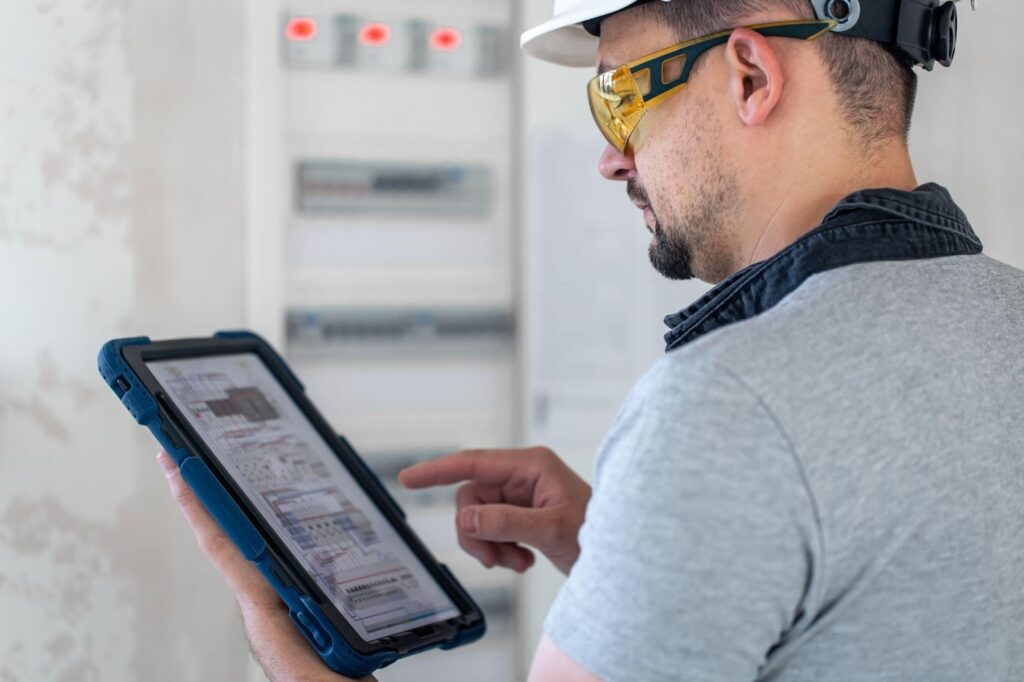
Smart home technology is no longer just a futuristic concept because many homeowners currently use it on a daily basis. The way we currently set up our electrical system is one of the biggest developments taking place behind the gates. Standard outlets and switches are no longer the only things that electricians and designers need to take into account. Working with a skilled expert, like a Fuse Service electrical contractor, guarantees that the system is dependable and flexible when new developments take place.
Outlets Aren’t Just Outlets Anymore
Once, the only thing electrical outlets were good for was powering TVs, lamps, and kitchen appliances. Today, their job has grown a lot. Outlets in modern homes need to be able to charge stations, USB ports, smart plugs, and things like robotic vacuums or air purifiers.
Electricians are quite careful these days when they put in outlets. Instead of speculating about possible plug sites, they consider smart home solutions, which include convenient locations for Wi-Fi routers or security hubs, extra outlets behind televisions for streaming devices, and charging stations near doors. The goals include ease of use and clutter-free accessibility.
In modern electrical planning, where you put each outlet might affect how well a smart house works. It’s about planning for how people will live and making the design flexible.
Wi-Fi Is Now Part of the Electrical Plan
A decade ago, internet wiring was mostly left to IT technicians. Now, it’s a vital part of an electrician’s job. Wi-Fi coverage affects everything from smart lighting to connected thermostats and video doorbells. Without a strong network, even the best smart devices can’t perform well.
Network infrastructure is now being directly incorporated into electrical plans by electricians. This entails setting up Ethernet ports, making sure there is little signal interference, and arranging routers or mesh hubs in appropriate locations throughout the house. In order to guarantee that crucial equipment remains online during brief power outages, some experts even incorporate backup power solutions for routers.
This new way of thinking turns connectivity into a core element of a home’s design — just as important as light or power distribution.
Lighting Goes Beyond On/Off
Among the most noticeable changes is the lighting design. Homeowners anticipate voice control, automation, and scenes in addition to light switches. Without moving a finger, users may schedule, dim, or change the hue of lights with a smart lighting system.
Electricians these days use apps that work with smart speakers and cellphones. They don’t use traditional circuits; instead, they employ smart dimmers, wireless controllers, and lights that turn on as you move. Lower energy use, more comfort, and enhanced security are all possible with these configurations.
Lighting has a big influence on well-being and happiness as well. By simulating the patterns of natural lighting, smart LEDs can help control sleep cycles. From a simple on/off feature, it has developed into a technological and psychological experience.
Connected Security and Monitoring Systems
Security tech these days uses more power and does a lot more thinking in the background. Things like smart locks, motion sensors, cameras, and video doorbells all need steady electricity and a solid internet connection to actually work right. You can’t just plug them in wherever — the wiring has to be planned ahead so nothing cuts out when you need it most.
More installers are now adding backup batteries and low-voltage wiring to make sure the system keeps running even if the power goes out. And because everything talks to everything else — outdoor lights turning on when you get home, alarms sending alerts to your phone, lights snapping on when a camera spots movement — getting the integration right is honestly the most important part.
Incorporating security into electrical design benefits households by reducing the need for untidy wires and continuous charging.
Energy Efficiency Is Becoming Automated
Thanks to intelligent technologies, saving energy is now almost a given. Thermostats learn routine family activities, plugs cut off standby power, and appliances operate during off-peak hours. This includes creating systems that communicate easily for electricians.
Battery storage, smart meters, and solar panels all require meticulous electrical upgrades. The ability of these devices to communicate with one another via hubs or home automation platforms must be guaranteed by electricians. This setup calls for both technical accuracy and strategic planning.
For example, motion-activated lighting can save electricity, and motorized blinds can assist in regulating the temperature of a space. Even charging for electric vehicles can be maximized during hours when costs are low. By enabling intelligent systems to handle sustainable living automatically rather than demanding additional effort from the homeowner, these technologies make it simpler.
Planning for Growth and Upgrades
A home developed today must be ready for the technology of tomorrow. That’s why electricians approach planning with scalability in mind. Future electrical upgrades, like more circuits for energy storage devices, home offices, or electric cars, should be supported by the wiring system.
Organizing labels, providing accessible junction boxes, and providing more conduit space are further examples of flexibility planning. A well-designed space adapts to change, whether it’s adding a new entertainment system or replacing the heating system with a networked one.
In a few years, the homeowner won’t have to deal with expensive rewiring thanks to this forward-thinking approach. Modern dwellings can be designed in a more intelligent and ecological manner.
In conclusion
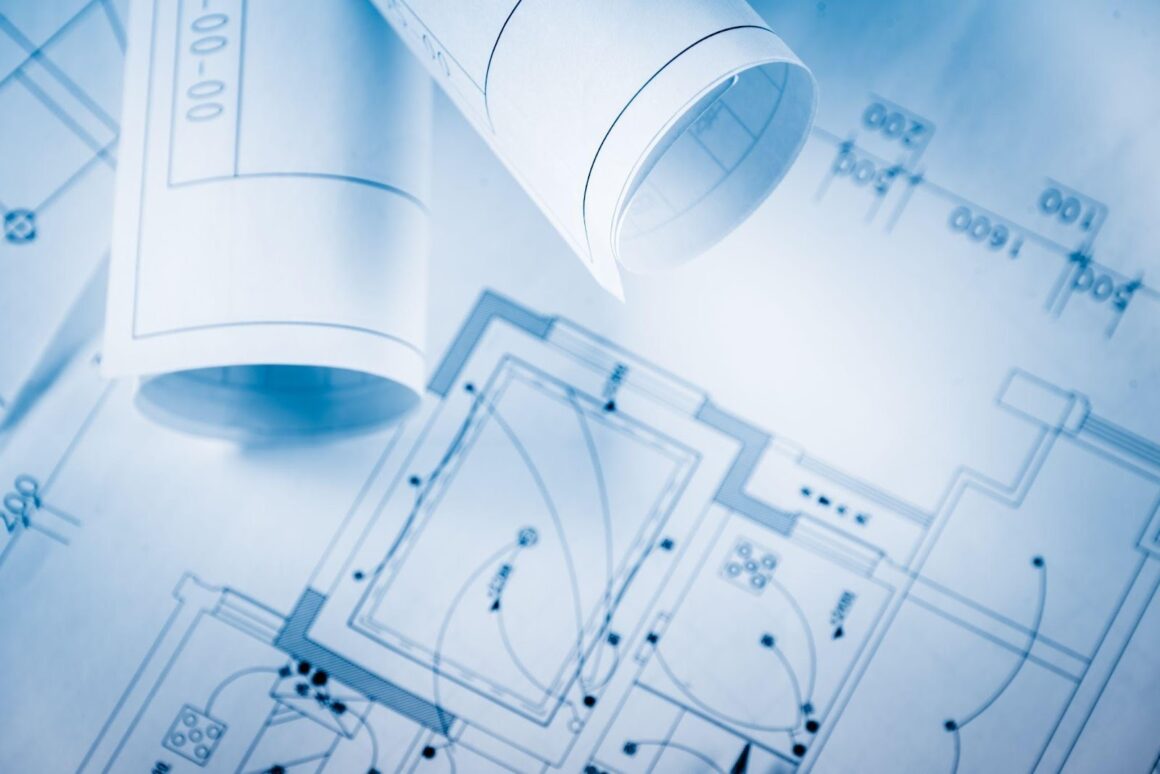
When it comes to creating a “modern home,” smart devices have entirely changed the definition. These days, every outlet, switch, and circuit determines our degree of efficiency and comfort. These days, there is a close relationship between electrical design and technology, from network-integrated security and smart lighting systems to automated energy management.
By designing their wiring with the future in mind, homeowners can benefit from long-term savings, enhanced convenience, and safety. After all, power isn’t the only consideration in contemporary electrical planning. It involves creating dwellings that adapt, think, and change with their occupants.