
Starting a gym in Canada requires careful financial planning. From small yoga studios to full-service gyms, knowing the costs involved helps you plan effectively and access appropriate financing. Your total investment will depend on factors such as location, space requirements, equipment selection, and operational approach. This guide walks through the expected expenses for opening a gym in Canada.
Understanding the Cost Range
The cost to open a gym in Canada ranges from $50,000 for a small studio to over $1 million for a large facility. Mid-sized gyms typically require between $150,000 and $600,000. These figures depend on several variables, including whether you choose an independent model or a franchise, the condition of your chosen space, and the type of equipment you purchase. Sourcing equipment from suppliers like Fitness Avenue Canada fitness equipment can help you compare options and manage your budget effectively.
Here is a general breakdown by gym type:
- Small or specialty gyms (yoga studios, CrossFit boxes, pilates centers): $50,000 to $250,000
- Mid-size gyms (3,000 to 5,000 square feet): $150,000 to $600,000
- Franchise gyms (Anytime Fitness, Orangetheory, F45): $100,000 to $3.6 million or more, including franchise fees
These ranges account for initial setup costs. Ongoing operational expenses will be added to your monthly budget once the gym opens.
Breaking Down the Major Expenses
Securing a Location
Renting or purchasing commercial space represents one of the largest expenses. Urban locations in cities like Toronto, Vancouver, or Calgary command higher rates than suburban or rural areas. Lease terms, square footage requirements, and local real estate markets all affect this cost. Some landlords require several months’ rent upfront as a deposit, increasing your initial capital requirements.
Purchasing Equipment
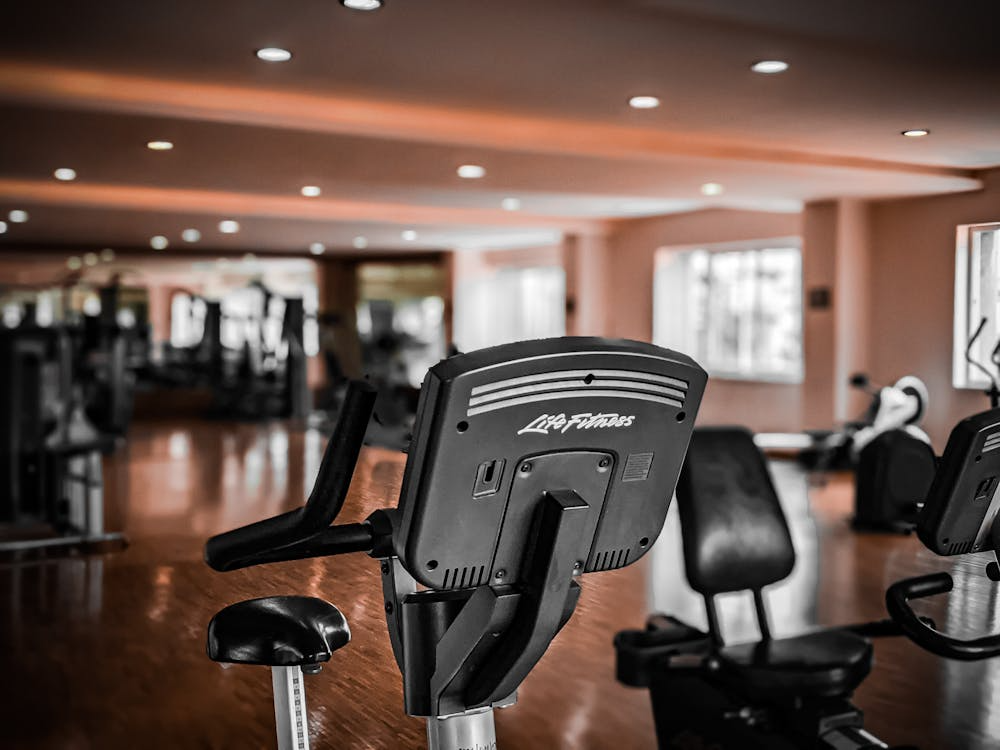
Equipment costs vary based on whether you buy new or used items and the type of gym you operate. A basic strength training facility needs squat racks, benches, free weights, and cable machines. A cardio-focused gym requires treadmills, ellipticals, stationary bikes, and rowing machines. Specialty studios may need specific equipment, such as reformer machines for Pilates or Olympic lifting platforms for CrossFit. Leasing equipment is an option that reduces upfront costs but increases long-term expenses.
Completing the Build-Out
Most commercial spaces require renovation before they function as gyms. Build-out costs include flooring installation, lighting upgrades, electrical work to support equipment, HVAC modifications, locker room construction, and reception area setup. Older buildings may need more extensive work to meet building codes and accessibility requirements. Budget for unexpected expenses during renovation, as construction projects often exceed initial estimates.
Implementing Software and Technology
Modern gyms rely on technology for member management, class scheduling, payment processing, and access control. Membership management software typically charges either a monthly fee per member or a flat rate. You may also need to invest in security systems, sound systems, and classroom display screens. These costs add up but contribute to smooth operations and member satisfaction.
Planning Your Marketing Budget
Pre-launch marketing helps generate interest and secure founding members before you open. Expenses include website development, social media advertising, local print materials, and promotional events. A strong marketing push before opening day builds momentum and helps establish early cash flow, which is necessary for covering initial operating costs.
Budgeting for Staffing
Payroll represents a major ongoing expense. Depending on your gym model, you may need front desk staff, personal trainers, group fitness instructors, cleaning personnel, and management. Staff costs vary by province due to different minimum wage requirements—factor in additional expenses like training, benefits, and scheduling software.
Obtaining Insurance Coverage
Liability and professional insurance coverage safeguard your business against injury- or accident-related claims and are essential for running a gym. Insurance is non-negotiable for gym operations. Premiums depend on your gym’s size, services offered, number of members, and claims history. Some insurance providers offer packages designed for fitness businesses.
Considering the Franchise Option
Franchise gyms offer established brand recognition, proven business systems, and corporate support. However, they come with additional costs. Franchise startup fees vary by brand, generally ranging from $20,000 to $100,000 or more. Ongoing royalties typically range from 4% to 8% of monthly revenue. You may also pay marketing fees to the corporate entity. While franchises reduce some startup risks, they require larger capital investments and limit your operational flexibility.
Steps to Get Started
Opening a gym involves several stages beyond securing financing. First, define your niche and target market to determine your space and equipment needs. Next, create a business plan that details your location, services, pricing structure, and financial projections. Then, explore funding options, including business loans, investors, or personal savings. Finally, handle legal requirements by obtaining necessary licenses, permits, and insurance before opening your doors.
Final Thoughts
Building a gym in Canada requires significant capital, but the investment varies based on your chosen model and location. Small specialty studios offer a lower barrier to entry, while large facilities and franchises demand more substantial funding. Careful planning, realistic budgeting, and thorough research into your local market help set the foundation for a sustainable fitness business.