The way we buy, design, and personalize products for our homes has changed dramatically over the past decade. What was once limited to static images, paper catalogs, and guesswork has evolved into immersive digital experiences that place the customer firmly in control. At the center of this transformation is 3d product configurator software, a powerful tool that allows homeowners and shoppers to visualize customized products in real time—reducing uncertainty, increasing confidence, and ultimately driving higher sales and fewer costly returns.
From Static Choices to Interactive Experiences
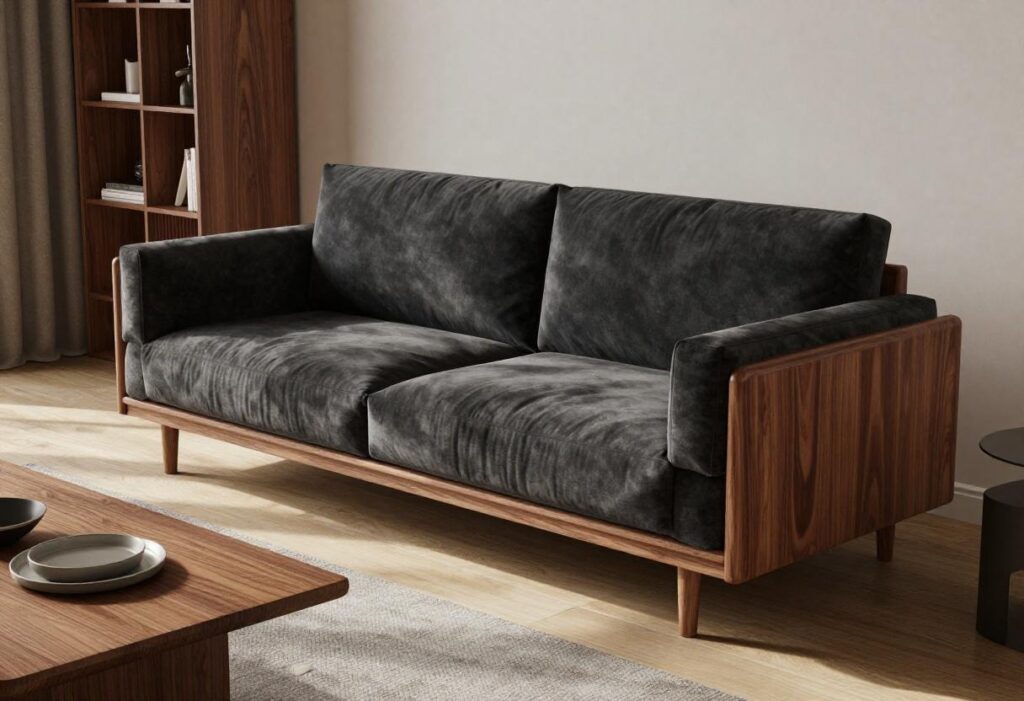
Home improvement decisions are rarely simple. Choosing a kitchen cabinet finish, a custom sofa fabric, or a new front door style involves balancing aesthetics, budget, and functionality. Traditionally, customers relied on small material samples, showroom lighting, or imagination. This often led to disappointment when the final product didn’t match expectations.
3D product configurators replace guesswork with clarity. By allowing users to rotate, zoom, and modify products in a realistic digital environment, configurators transform abstract choices into tangible experiences. A homeowner can see exactly how walnut cabinets look with brushed brass handles or how a sectional sofa fits into a living room layout—before making a purchase.
This shift from passive viewing to active participation is not just convenient; it fundamentally changes how people connect with products.
How 3D Product Configurator Software Works
At its core, 3D product configurator software combines high-quality 3D models with interactive logic. Each product is built digitally with customizable components such as color, size, material, features, or accessories. When a user makes a selection, the software instantly updates the model to reflect that change.
Modern configurators often run directly in a web browser, eliminating the need for downloads or special hardware. Advanced systems also integrate with pricing engines, inventory databases, and e-commerce platforms, ensuring that every configuration is accurate, available, and priced correctly.
For businesses, this means fewer errors in orders. For customers, it means transparency and trust.
A Game-Changer for Home Improvement Retail
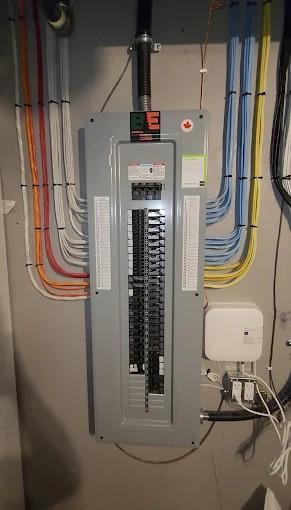
The home improvement industry is uniquely suited to 3D configuration technology. Products are often high-value, highly customizable, and visually driven. Flooring, cabinetry, windows, doors, roofing, furniture, and even smart home installations benefit from interactive visualization.
Imagine configuring a custom wardrobe system. Instead of choosing dimensions and materials from a form, customers can design their storage layout visually—adjusting shelves, drawers, and finishes until it matches their needs. This level of involvement makes the buying process more engaging and significantly reduces hesitation.
Retailers also benefit from shorter sales cycles. When customers can answer their own “what if” questions instantly, they are more likely to move from exploration to purchase.

Bridging the Gap Between Online and In-Store
One of the most compelling advantages of 3D product configurators is their ability to unify digital and physical retail experiences. In-store sales associates can use configurators on tablets or kiosks to guide customers through options, while online shoppers enjoy the same level of detail from home.
This consistency strengthens brand credibility. Whether a customer starts designing a product online and finishes in-store—or vice versa—the experience feels seamless. Saved configurations can be revisited, shared with family members, or sent directly to sales teams for follow-up.
In an era where consumers expect flexibility and personalization, this hybrid approach is no longer optional—it’s essential.
Increased Confidence, Fewer Returns
Returns are a major challenge in home improvement and furniture retail. Products are large, expensive to ship, and difficult to resell. Many returns stem from mismatched expectations: the color looked different, the size felt off, or the design didn’t fit the space.
3D product configurator software addresses this problem at its source. By showing accurate dimensions, realistic textures, and contextual previews, configurators help customers make informed decisions. Some systems even allow augmented reality placement, letting users see a virtual product inside their actual room.
When customers know exactly what they are getting, satisfaction increases—and returns decline.
Empowering Designers and Manufacturers
Configurators are not only customer-facing tools; they also streamline internal workflows. Designers, manufacturers, and installers benefit from precise specifications generated automatically by the software. Every configuration can produce detailed data, including measurements, materials, and components required for production.
This reduces manual errors, speeds up manufacturing, and simplifies communication between departments. For custom-built products, the efficiency gains can be substantial, allowing businesses to scale personalization without increasing overhead.
In essence, the configurator becomes a bridge between creativity and production.
The Future of Personalized Home Products
As technology continues to evolve, 3D configurators are becoming smarter and more immersive. Artificial intelligence is beginning to suggest optimal configurations based on user preferences, while real-time rendering engines deliver near-photorealistic visuals. Integration with smart home systems and digital twins of entire rooms or houses is already underway.
For homeowners, this means greater control over how their spaces look and function. For businesses, it means deeper customer engagement and a competitive edge in a crowded market.
Final Thoughts
3D product configurator software represents more than a technological upgrade—it signals a shift in how people interact with products and brands. By turning customization into an intuitive, visual, and enjoyable experience, configurators empower customers to make confident decisions while helping businesses operate more efficiently.
In the world of tech-driven home improvement, seeing is no longer just believing—it’s buying.