Choosing the right fire resistant building materials for modern facades is crucial for ensuring both safety and compliance with evolving building regulations. With advancements in technology, today’s facade options offer enhanced fire resistance and aesthetic appeal. Understanding the importance of Class A fire rated cladding is essential for making informed decisions that prioritize safety. Additionally, these considerations support commercial facade compliance in various building projects.
When considering the transformation of a building’s exterior, selecting fire resistant building materials can make a significant difference. These materials not only enhance the visual appeal but also provide essential protection against fire hazards. As you explore various options, understanding key features that contribute to fire resistance, commercrial facade compliance, and aesthetic appeal will guide your decision-making process. Recognizing the significance of fire safety in architecture can further ensure occupant well-being and structural longevity.
The Importance of Fire Resistant Building Materials
Making sure that you adhere to commercial facade compliance when it comes to fire safety in architecture is paramount for protecting buildings from fire-related risks. Materials like fiber cement and bamboo Rainclad siding are known for their resilience against fire, exemplifying the importance of choosing the right materials. These materials withstand high temperatures and resist ignition, ensuring the building’s exterior remains safe over time.
Another critical aspect is how these materials contribute to fire safety in architecture. Class A fire rated cladding is essential for reducing risks associated with fires, offering peace of mind to property owners. By choosing fire resistant building materials, you ensure compliance with local safety regulations and protect your property from potential hazards. This proactive approach aligns with broader trends in architectural safety standards.
Beyond individual building protection, fire resistant building materials play a vital role in preventing fire spread between structures in densely populated urban areas. Modern Class A fire rated cladding systems incorporate advanced intumescent technologies that expand when exposed to heat, creating an insulating barrier that slows fire progression. This characteristic is particularly important in multi-story buildings where vertical fire spread poses significant risks. Property developers and architects must consider not only the immediate fire resistance rating but also how materials perform under prolonged exposure to extreme temperatures, ensuring that the facade maintains its structural integrity long enough for safe evacuation and emergency response.
Aesthetic Enhancements Through Fire-Resistant Materials
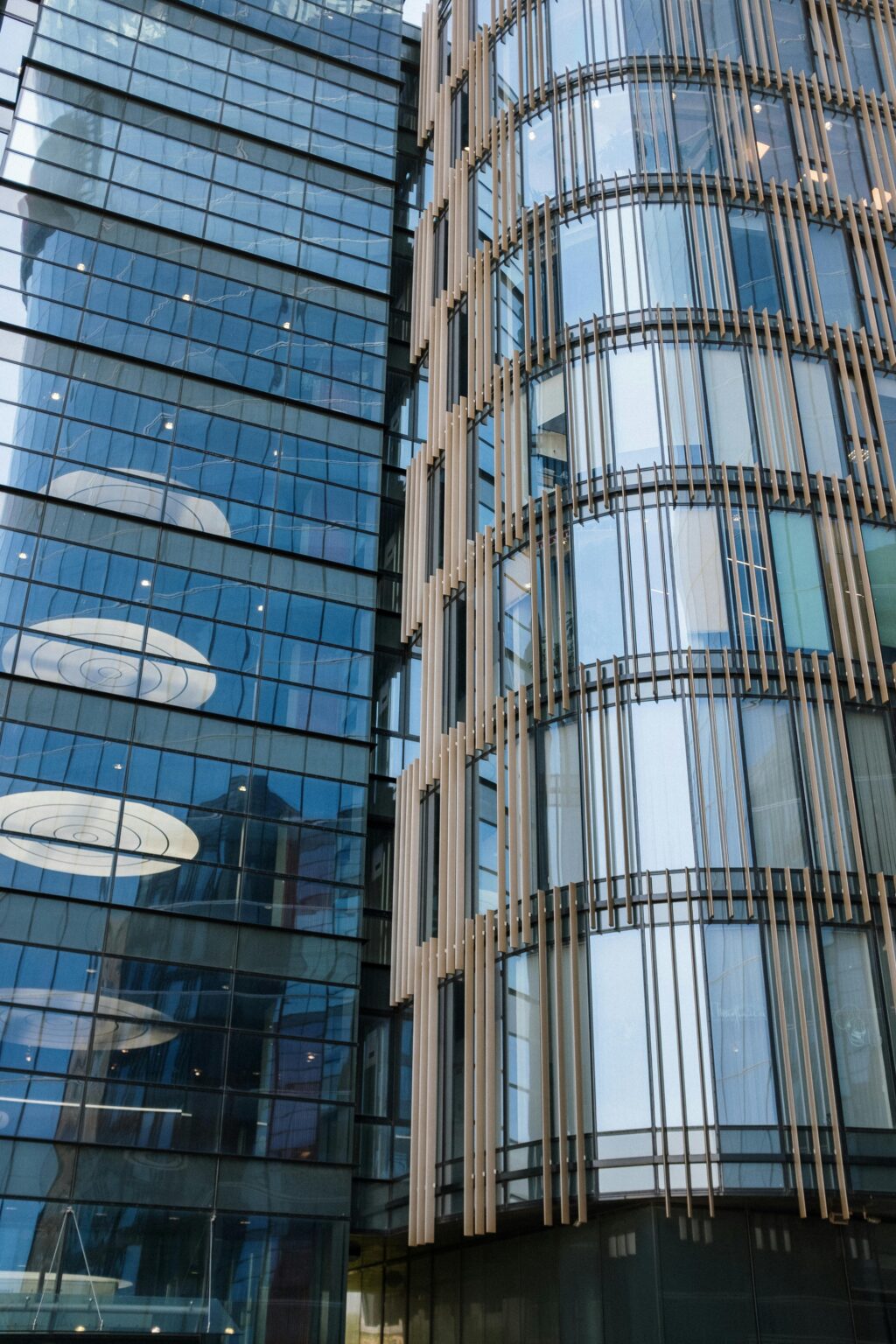
Modern buildings benefit from WUI code compliant decking and facade options that enhance visual appeal without compromising safety. Materials like fused bamboo offer a natural look while still being Class A fire rated cladding options. These materials are engineered to mimic the warmth of timber but outperform traditional wood in terms of fire safety in architecture.
Incorporating contemporary designs into your commercial facade compliance enhances the building’s visual appeal. The use of varied textures and colors allows for personalization, ensuring the building reflects individual taste. This aesthetic flexibility does not detract from material strength, as many Class A fire rated cladding options maintain their integrity despite exposure to fire risks.
Selecting Materials That Balance Safety and Visual Appeal
Striking a balance between aesthetics and fire safety is achievable with thoughtful material selection. Property owners should evaluate how different materials align with both personal style preferences and commercial facade compliance. For instance, fused bamboo offers a sustainable alternative that meets the rigorous safety codes of fire safety in architecture without sacrificing the warm aesthetic of traditional timber.
Considerations extend beyond appearance to include compliance with fire safety regulations and
WUI code compliant decking. Furthermore, WUI code compliant decking offers added protection for outdoor living areas, aligning with broader architectural safety objectives. These factors ensure that the building’s exterior remains resilient against fire hazards while maintaining visual allure. Thoughtful integration of these elements serves as a risk management strategy that protects both property value and legal liability.
As you explore facade options, it’s crucial to weigh the benefits of fire-resistant materials against aesthetic considerations. One innovative solution gaining popularity is bamboo Rainclad siding, which combines sustainability with style. By selecting fire resistant building materials like Class A fire rated cladding, you align with industry standards that prioritize safety and longevity. Additionally, commercial facade compliance ensures that the chosen materials adhere to rigorous building codes while delivering aesthetic value. Integrating stylish designs elevates the building’s overall appearance, reflecting contemporary architectural trends.
Ultimately, an informed approach to material selection ensures your building remains both beautiful and secure amidst changing environmental conditions. Emphasizing safety alongside design, whether it’s with WUI code compliant decking or with the use of bamboo cladding, allows for a harmonious blend that caters to practical needs while showcasing individual style preferences.